Home / Locations / Trincomalee & Nilaveli

Trincomalee & Nilaveli

The east coast's dry season runs exactly opposite the south's — calm water, reliable whale watching, and a wellness scene still finding its feet.
DivingCalm watersEast coastEmerging
Region
East Coast
Best season
May–September
Known for
Diving, Calm waters, Whale watching
Budget
USD 20–50/night
guesthouses
About Trincomalee & Nilaveli

Trincomalee and neighboring Nilaveli offer Sri Lanka’s calmest east coast waters, genuinely good snorkeling at Pigeon Island, and whale watching during the exact months the south coast is in monsoon — with a wellness scene that’s still early-stage but real. It’s less a wellness hub in its own right than a strategic, well-timed complement to a longer south coast trip.

Quick gut-check

Is Trincomalee & Nilaveli actually right for you?

Right for you if
Your travel dates fall during the south coast's May–September monsoon and you still want dry, calm beach weather.
You want genuinely good snorkeling or diving alongside your beach time — Pigeon Island delivers on that.
You're interested in whale watching outside the more famous Mirissa season.
You're comfortable with a still-emerging wellness scene rather than a dense, established studio hub.
Look elsewhere if
×
You want a mature, dense yoga or retreat scene — that's still the south coast's advantage, not Trincomalee's.
×
You're visiting December–March, when the northeast monsoon limits beach and boat activities here.
×
You want maximum accommodation and dining choice — Uppuveli and Nilaveli's infrastructure is real but smaller than the south coast's.
×
You're not interested in the region's Tamil Hindu cultural character as part of the visit.
Good to know before you go

About Trincomalee & Nilaveli

A harbour town with a strategic history, and a genuine cultural character of its own

Trincomalee is built around one of the world's finest natural deep-water harbours — an entrance channel guarded by two headlands less than a kilometer apart, valuable enough that the Portuguese, Dutch, French and British all fought over it in turn. It's a Tamil-majority city with a distinct character from the south coast's beach towns: a working fishing harbour, Hindu temples, and Koneswaram Temple perched dramatically on Swami Rock above the sea.

The east coast's dry season is the whole appeal

Trincomalee follows the northeast monsoon pattern, running almost exactly opposite the south and west coasts — dry and sunny from May to September, precisely when Galle, Mirissa and Hikkaduwa are under rain. That timing makes it the natural east coast flip for a longer Sri Lanka stay, and specifically the better window for whale watching in these waters, when sperm whales in particular are close to guaranteed in peak season.

A wellness scene still finding its feet

Compared to the south coast's established studio towns, Trincomalee's yoga and retreat offerings are genuinely early-stage — a handful of newer boutique stays building programs around the calm water and slower pace rather than a dense cluster of dedicated venues. That's honestly part of the appeal for some travelers: a place where diving, snorkeling and whale watching are the main event, with wellness layered on as a real but modest bonus.

Want to go deeper

Everything else worth knowing

Explore nearby
Pigeon Island Marine National Park
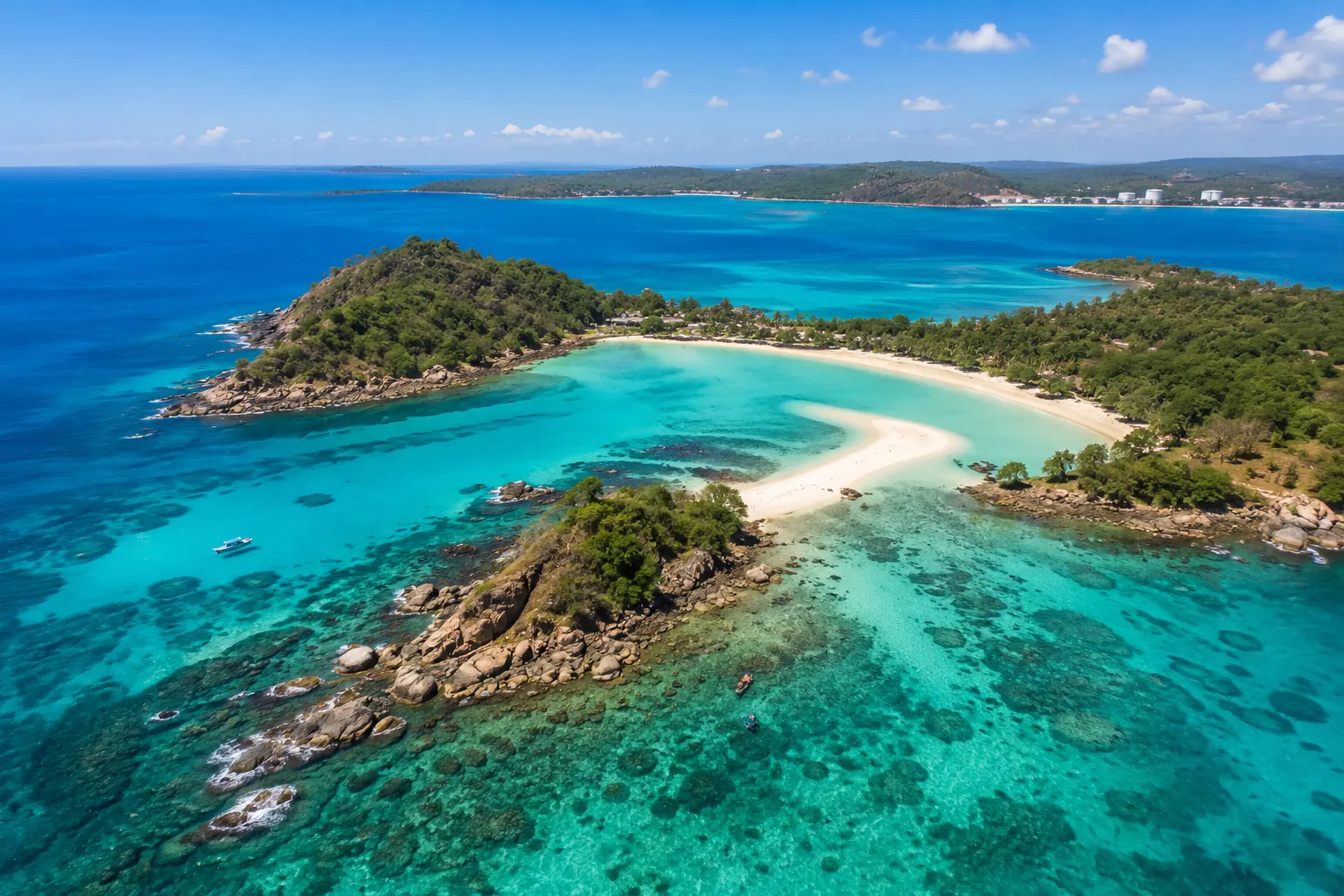
One of Sri Lanka's better snorkeling sites, a short boat ride from Nilaveli Beach — live coral gardens and a reliable blacktip reef shark population in shallow water.
boat from Nilaveli
Koneswaram Temple, Swami Rock
A Hindu shrine to Shiva perched 130 meters above the sea, rebuilt after Portuguese-era destruction, with roots claimed back over 2,000 years — extraordinary harbor views regardless of religious interest. Modest dress required.
in Trincomalee town
Fort Frederick
A Dutch-built fort later used by the British, still partially occupied by the Sri Lankan army — home to the famous Lover's Leap rock, open daily and free to enter.
in Trincomalee town
Uppuveli Beach
The main beach town just north of Trincomalee city — calmer and better-maintained than the city beaches, with safe swimming May–September and several mid-range beachfront hotels.
~8 km
Nilaveli Beach
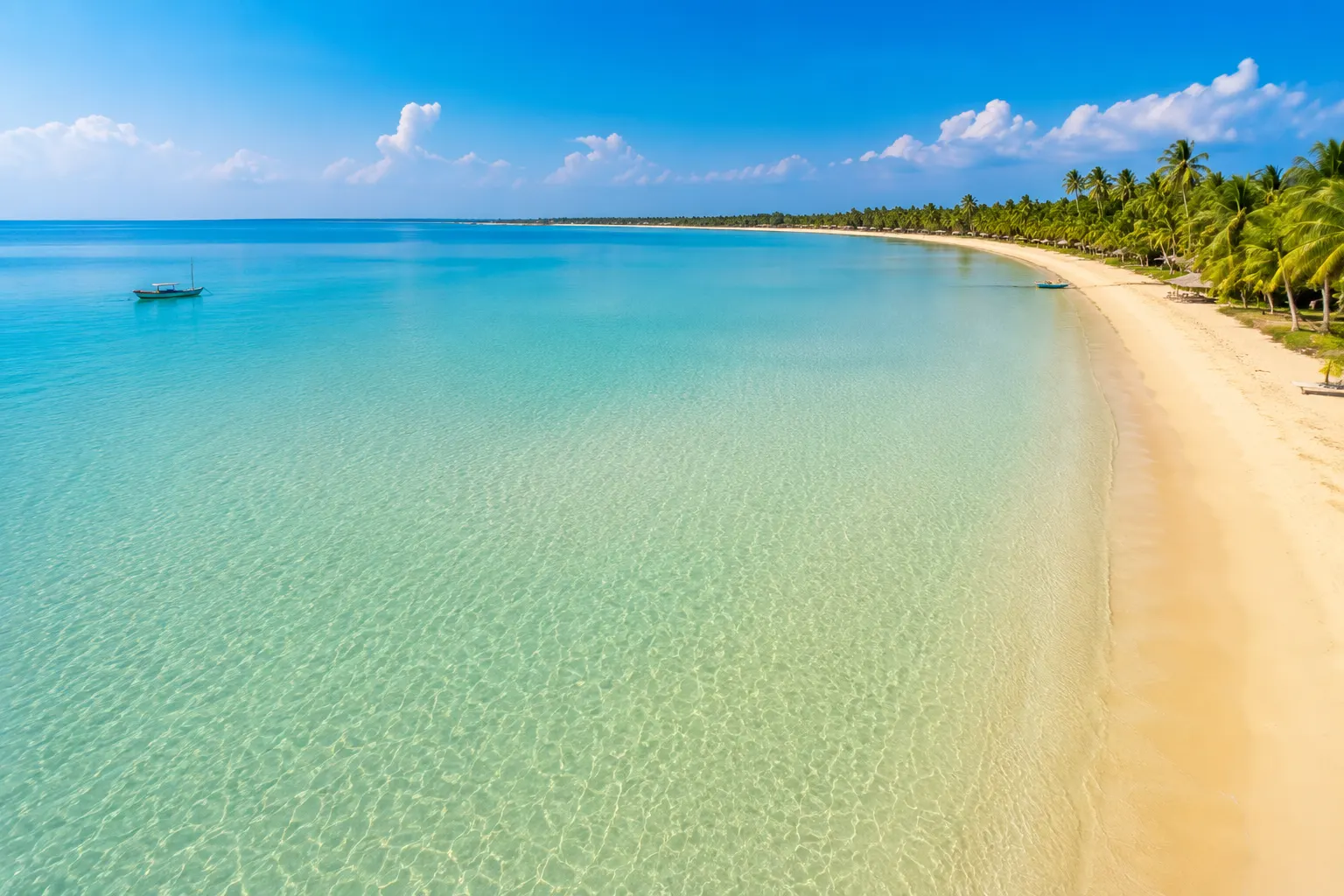
A long stretch of pale sand further north, the main base for Pigeon Island trips and generally the quieter, more resort-style option of the two main beach areas.
~10 km
Dutch Bay & Sober Island
A sheltered, less-visited bay south of the main harbor with calm swimming, plus a boat-accessible island — a quieter alternative to the busier beaches.
short drive
Habarana / Cultural Triangle
Sigiriya and the wider Cultural Triangle sit within a manageable 2.5-hour drive, making a Trincomalee stay combinable with cultural sightseeing.
~2.5 hr
Practical info
From Colombo
~6 hr by private driver via Habarana, 7–8 hr by train via Gal Oya junction, or roughly 45 minutes by seasonal Cinnamon Air flight to Trincomalee's China Bay airport.
Best months
May–September is Trincomalee's dry season, running opposite the south coast's monsoon — the ideal window for calm swimming, snorkeling and whale watching, peaking June–August. December–March brings the northeast monsoon, with rain and rough seas limiting beach activities.
Recommended stay
2–3 days for Pigeon Island, the temple and a whale-watching trip; longer for anyone using it as a genuine second base during the south coast's off-season.
Practical notes
Buy bottled water — don't rely on tap water. ATMs are reliable in Trincomalee city center but limited in Uppuveli, so carry cash. Jellyfish blooms can affect the northern beaches in June–July; ask locally before swimming.
Before you ask

Frequently asked questions

1 Why visit Trincomalee instead of the south coast? +
Timing, mainly. Trincomalee follows the opposite monsoon pattern to Galle, Mirissa or Hikkaduwa — dry and sunny from roughly May to September, exactly when the south coast is under rain. That makes it a natural second season for a longer Sri Lanka stay, or the right destination if your dates simply don't line up with the south coast's dry months.
2 Is Pigeon Island worth the trip? +
Yes — it's one of the more accessible, genuinely good snorkeling sites in Sri Lanka, a short boat ride from Nilaveli Beach, with healthy coral gardens and a reliable blacktip reef shark population visible in the shallows. You can arrange it independently (tuk-tuk to Nilaveli, negotiate a boat, pay the marine park fee separately) for less than a packaged tour.
3 How does Trincomalee's whale watching compare to Mirissa's? +
Different rather than better or worse. Mirissa (December–April) sees blue whales more reliably; Trincomalee (May–October, peaking June–August) sees both sperm whales — nearly guaranteed in peak season — and blue whales, less predictably. It's a genuine complementary window for anyone who misses the south coast's whale season.
4 Is there an actual wellness scene in Trincomalee, or is it purely a beach-and-dive destination? +
Honestly, still an early-stage one. A handful of newer boutique stays have started building yoga and retreat offerings around the calm water and slower pace, but nothing close to the density of Ahangama or Weligama yet. Come here primarily for diving, snorkeling and whale watching, with wellness as a genuine but modest bonus.
5 Is Trincomalee safe to visit? +
Yes — the city has been peaceful and fully open to tourism since the civil war ended in 2009. It's a Tamil-majority city with a strong Hindu cultural character, distinct from the south coast, and respectful visiting (appropriate dress at temples, for instance) is genuinely appreciated.
6 How many days should I plan to stay? +
2-3 days covers Pigeon Island, the Koneswaram Temple and a whale-watching trip comfortably. Longer stays suit anyone treating Trincomalee as a genuine second base during the south coast's off-season months.
Keep exploring

Continue your journey

Not sure Trincomalee & Nilaveli is right?
Find your perfect base on the island.
Take the 5-question quiz →
Ready to experience Trincomalee & Nilaveli?
See what's actually bookable here.
Explore retreats →