Genuine Panchakarma runs 7-21 days under a physician — a spa massage isn't Ayurveda. Real programs, doctors and prices, south coast to hill country.
A one-off ayurveda treatment, usually a couple of hours, layered onto a venue's regular schedule — the right pick if you're already on the island and want a taste of it without a bigger commitment.
More sessions added as venues confirm dates. Run one? List it here.
Several days of ayurveda, with accommodation and meals built in — the right pick if the trip itself is built around the practice, not squeezed into other plans.
More retreats added as venues confirm dates. Run one? List it here.
Computed from what's actually listed above — not a fixed estimate, so this updates as real venues confirm dates and prices.
| Single treatment | €35 |
| Multi-day retreat | €410 |
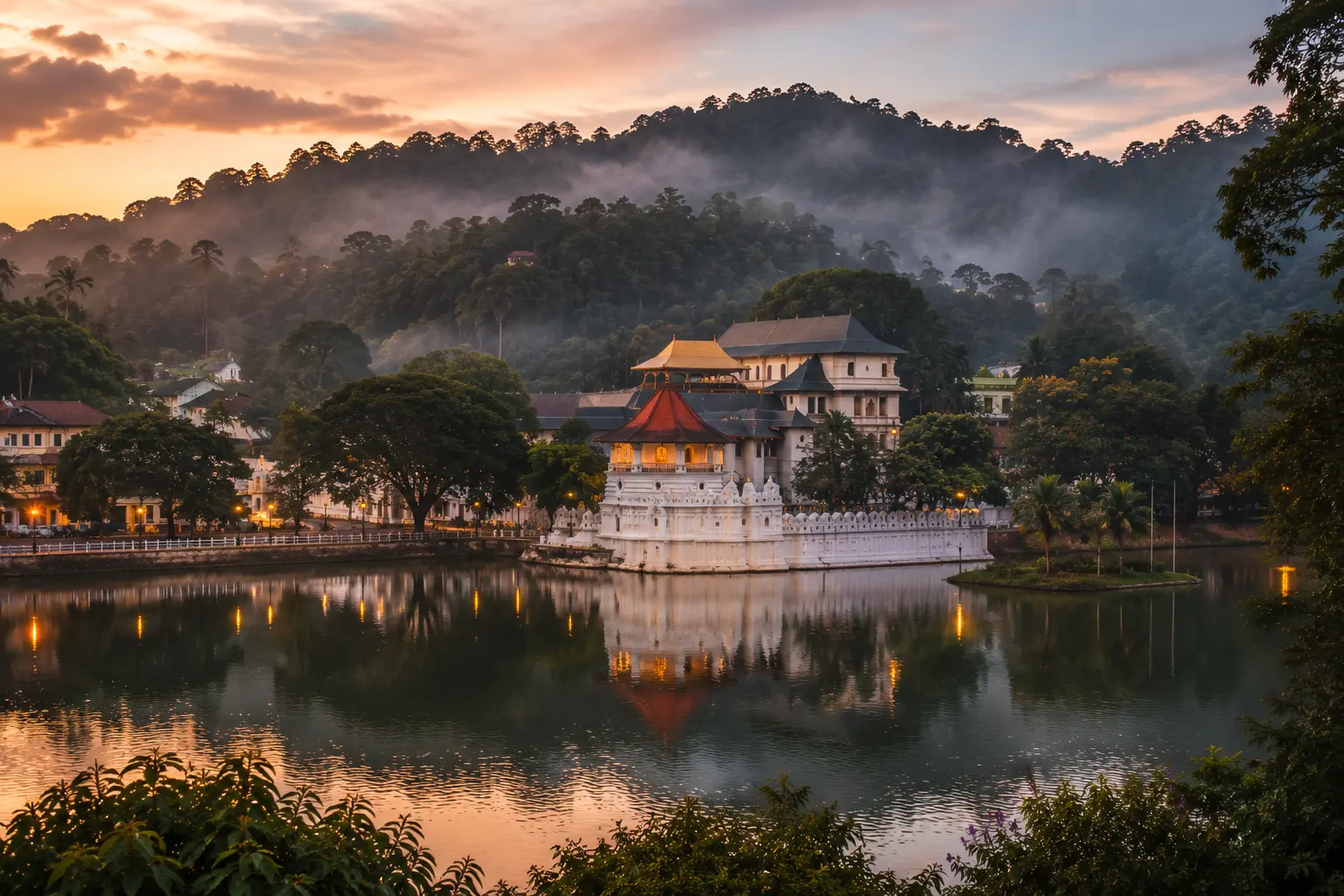
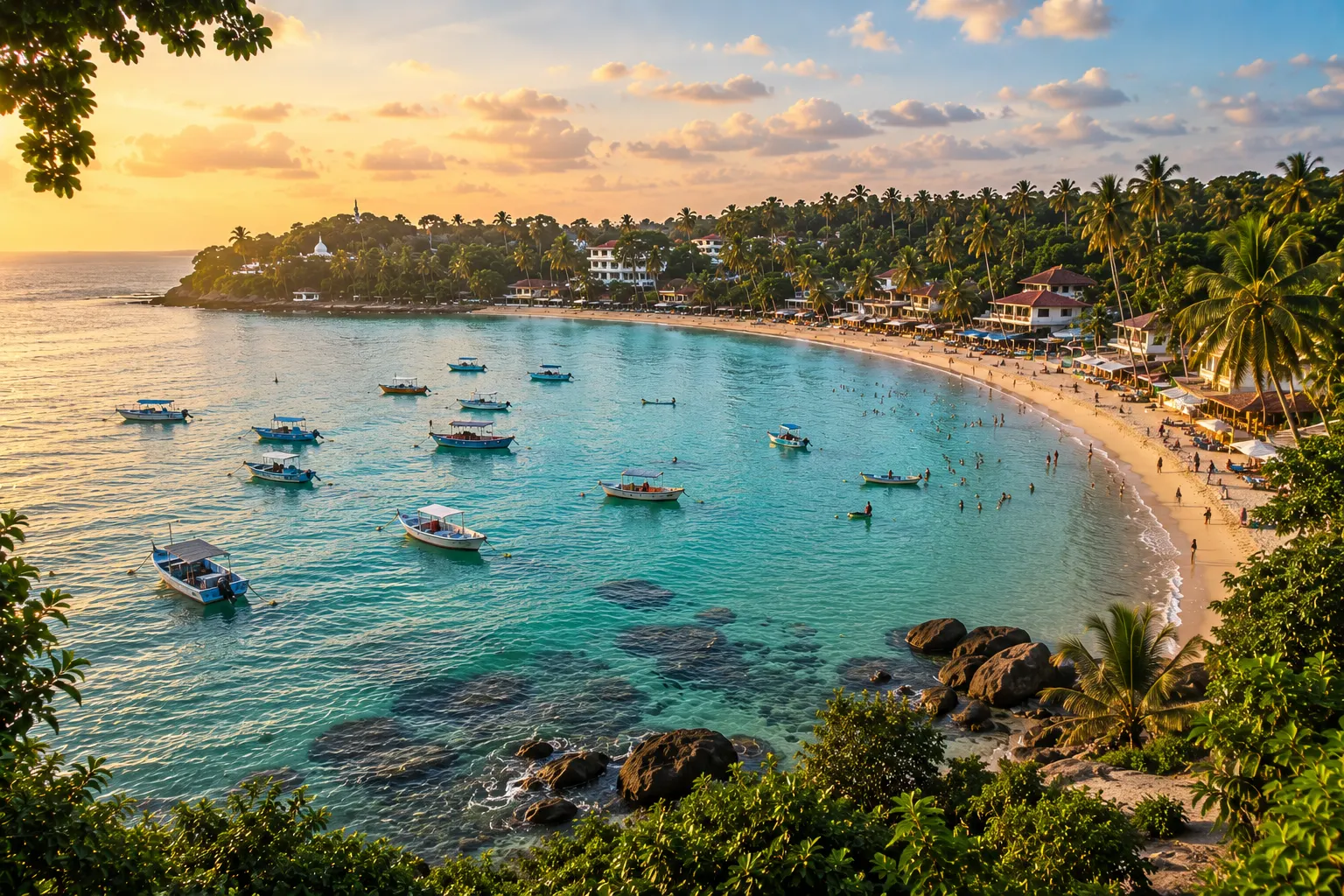
The practice only gets you halfway — here's where on the island ayurveda is actually concentrated, so you can pick a place before you pick a listing.
Every real Ayurveda option in Sri Lanka we’ve verified, in one place — not a single resort’s own treatment menu, so you can compare a full Panchakarma program against a single consultation before committing days and money to one.
We’re not one of these physicians or resorts ourselves — lankaspirit is where every real Ayurveda session and retreat across the island, from every center we’ve verified, gets organized into a single place, sorted by what’s genuine medicine and what’s a spa treatment borrowing medical language.
Ayurveda in Sri Lanka isn’t an imported wellness trend — it’s a living medical tradition, part of the national healthcare system, with registered physicians and government-accredited hospitals alongside the resort spa scene. That’s exactly what separates a genuine Panchakarma program from a spa menu with turmeric candles, and it’s worth understanding before you book anything.
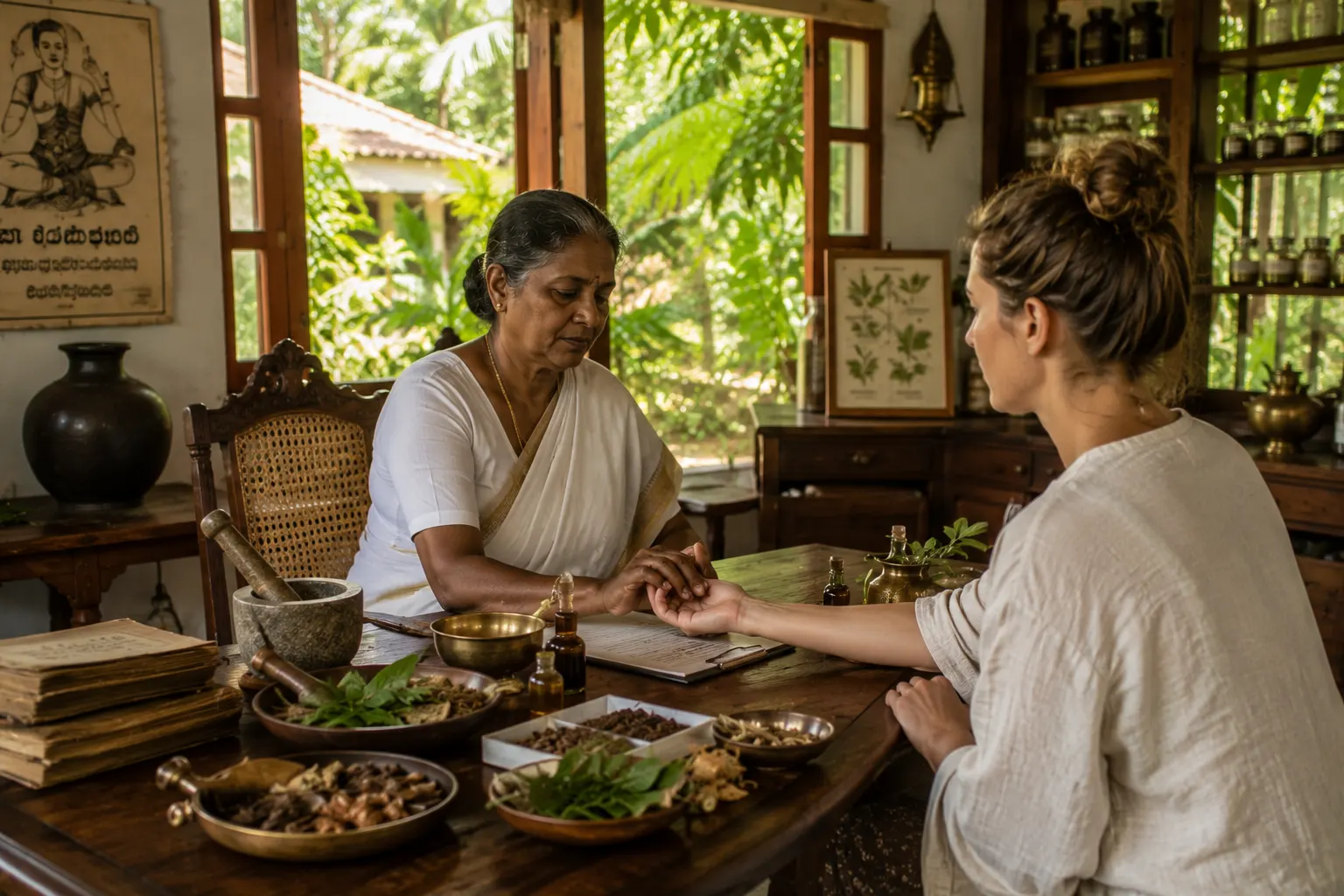
A genuine Panchakarma program starts with a registered ayurvedic physician’s consultation and diagnosis based on your constitution (dosha), then a structured 7–21 day sequence — oil massage, herbal steam, dietary restriction — building toward a specific outcome. It’s not always relaxing; the detox phase can bring fatigue before improvement, which is itself a sign it’s the real protocol and not a spa dressed up in Sanskrit.
An ayurvedic-style spa treatment borrows the same techniques for relaxation, not a medical outcome. There’s nothing wrong with that if you know it’s what you’re booking — the problem is only when it’s marketed as the former.
Three things to check before booking either a program or a single treatment: a registered physician — not just a masseuse — runs your consultation and diagnosis, the program length actually matches the treatment you’re being sold (Panchakarma rarely works under a week, and a proper course is closer to 14 days), and meals are part of the prescribed protocol rather than an afterthought on a hotel menu. Ayurveda’s status as part of Sri Lanka’s national healthcare system means genuine centers can point to real regulatory backing directly — ask, and a legitimate program will answer without hesitation.
A structured daily rhythm rather than a spa day: an early physician check-in, a prescribed Abhyanga oil massage, herbal steam or other cleansing procedures specific to your protocol, a prescribed meal built around your dosha rather than a hotel menu, rest periods, and sometimes a second, lighter treatment later in the day. Fatigue during the detox phase is normal and expected, not a sign something’s wrong — it’s part of what distinguishes the real protocol from a relaxation-only spa treatment.
Three to five days gets you a taste — real for rest, not for a detox. Seven to fourteen days is the realistic minimum for a full Panchakarma cycle with a physician-led program. Some traditional protocols run up to 21 days for chronic conditions under closer supervision. If you only have a day or two, a single consultation or a Shirodhara/Abhyanga session is still genuinely worthwhile — it’s just a different, smaller thing than a program, and worth knowing which one you’re actually booking.
If you’re comparing options beyond what’s bookable through lankaspirit, a handful of names come up repeatedly in any serious search for Ayurveda in Sri Lanka — worth knowing what they are, even though they’re not part of our own verified directory. Barberyn Reef and Barberyn Beach, on the west and south coasts, are among the country’s oldest dedicated Ayurveda resorts and a common reference point for what a resort-format Panchakarma program looks like. Jetwing Ayurveda Pavilions, at Jetwing’s Beruwala property, is the hotel-group version of the same idea — Ayurveda run inside an established international hospitality brand. Heritance Ayurveda in Beruwala runs a similarly structured hospital-adjacent program under the Heritance hotel group. Siddhalepa Ayurveda Health Resort, tied to the century-old Siddhalepa pharmaceutical name, leans harder into the medical-heritage side of the tradition. And Spa Ceylon, while primarily a retail and spa brand rather than a Panchakarma center, is the name most visitors actually recognize first — it’s the ayurvedic body-care line sold in Colombo airport and city malls, not a substitute for a physician-led program. None of these are venues we list or book — the point of mentioning them is orientation, not a recommendation either way; use the vetting checklist above regardless of which name you’re looking at.
Not sure how to plan this? Take our 5-question quiz and we’ll point you toward the right length and format for what you actually need — or browse ayurveda retreats directly if you already know.
Take our 5-question quiz and we'll match you honestly, not just push you toward the nearest listing.
Take the quiz