Vinyasa to 200-hour teacher training — Sri Lanka's yoga scene by style, region and price, from single classes to Yoga Alliance training.
Every listing below is real and bookable.
A one-off yoga class, usually a couple of hours, layered onto a venue's regular schedule — the right pick if you're already on the island and want a taste of it without a bigger commitment.
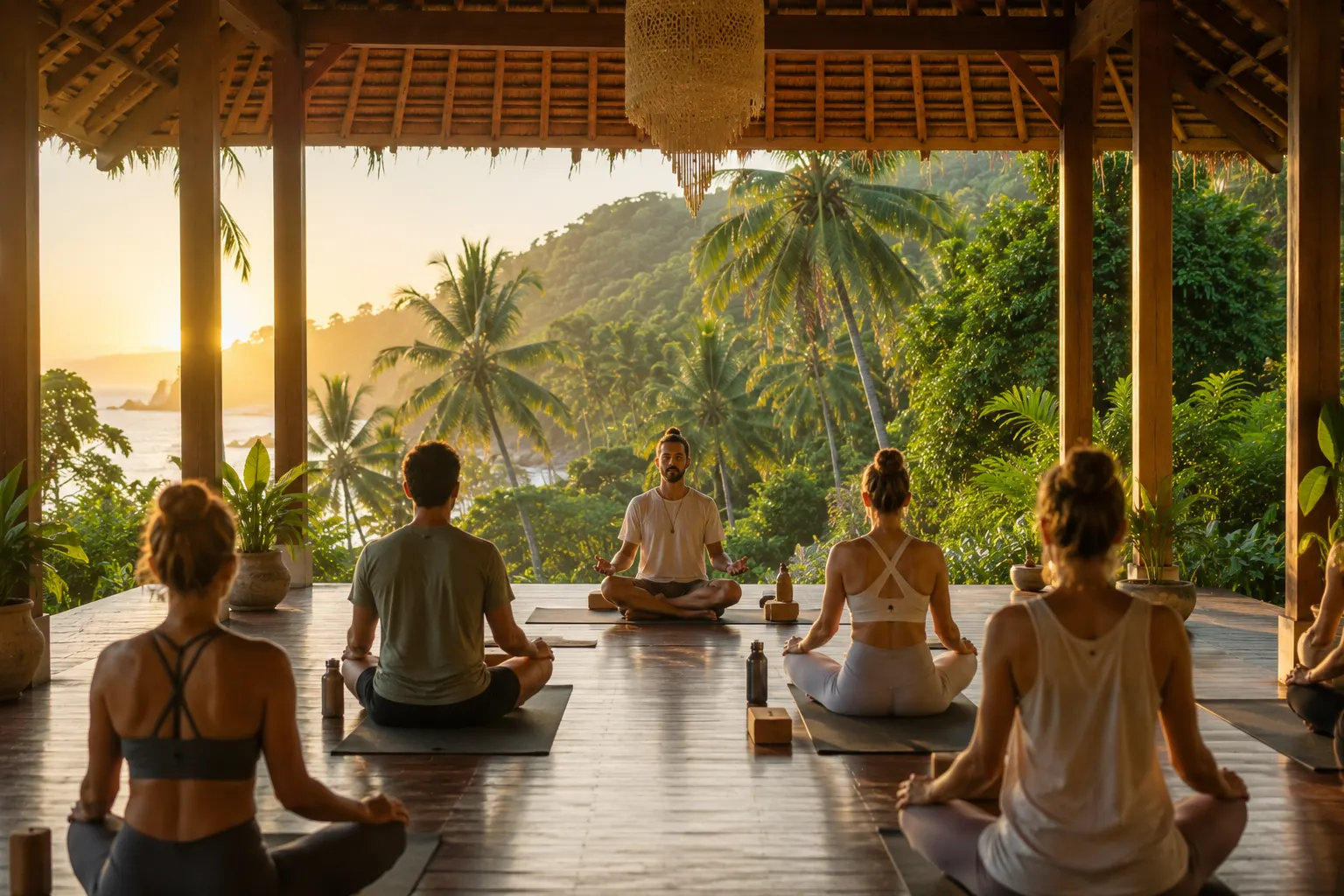
More sessions added as venues confirm dates. Run one? List it here.
Several days of yoga, with accommodation and meals built in — the right pick if the trip itself is built around the practice, not squeezed into other plans.
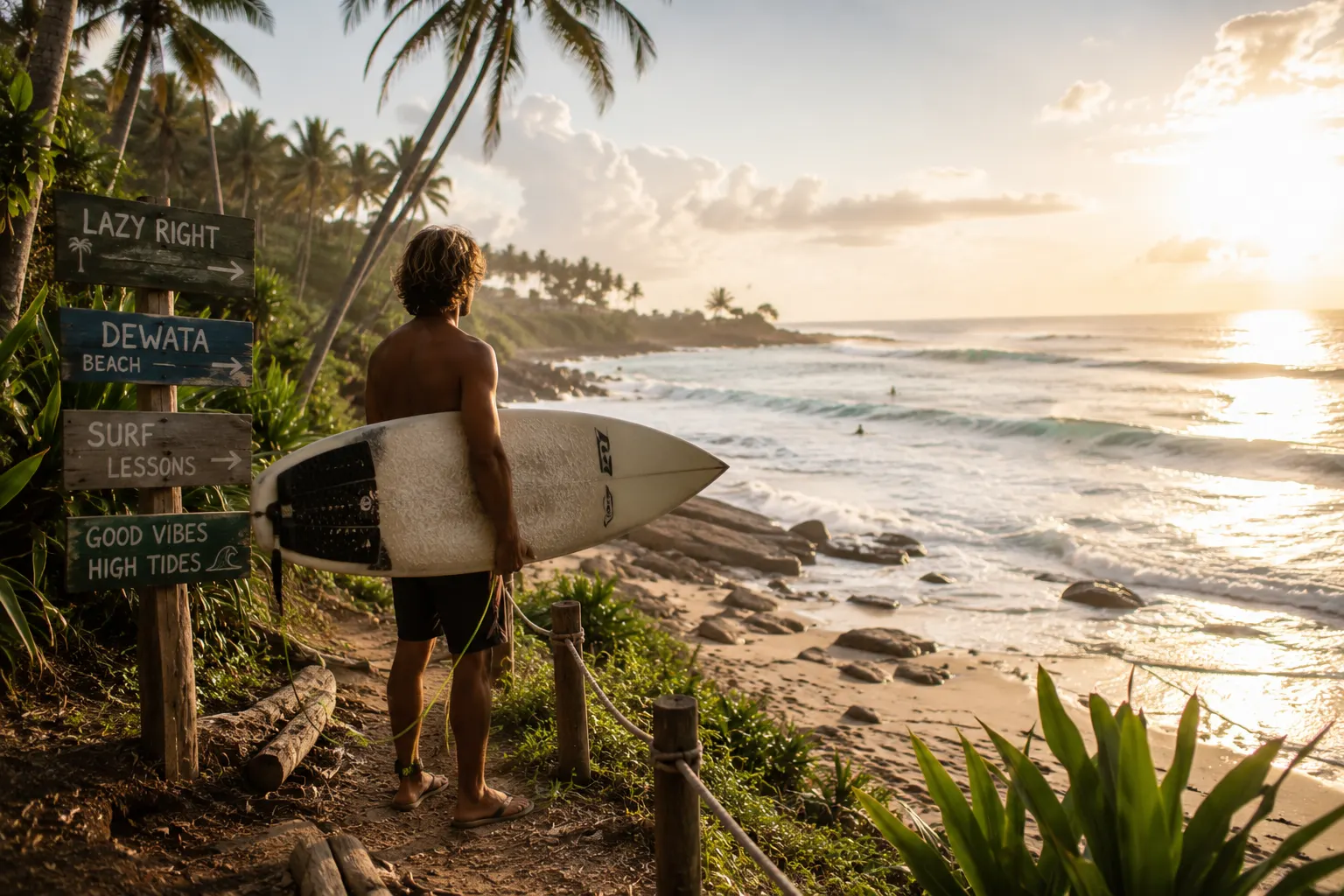
More retreats added as venues confirm dates. Run one? List it here.
A certification to hold yoga sessions yourself — a different product and price bracket, not a deeper version of a class or retreat.
See all 3 trainings →Computed from what's actually listed above — not a fixed estimate, so this updates as real venues confirm dates and prices.
| Single class | €10 – 18 |
| Multi-day retreat | €410 – 890 |
| Facilitator training | €1100 – 2600 |
The practice only gets you halfway — here's where on the island yoga is actually concentrated, so you can pick a place before you pick a listing.
Every venue below is one we've actually verified — not pulled from someone else's directory.
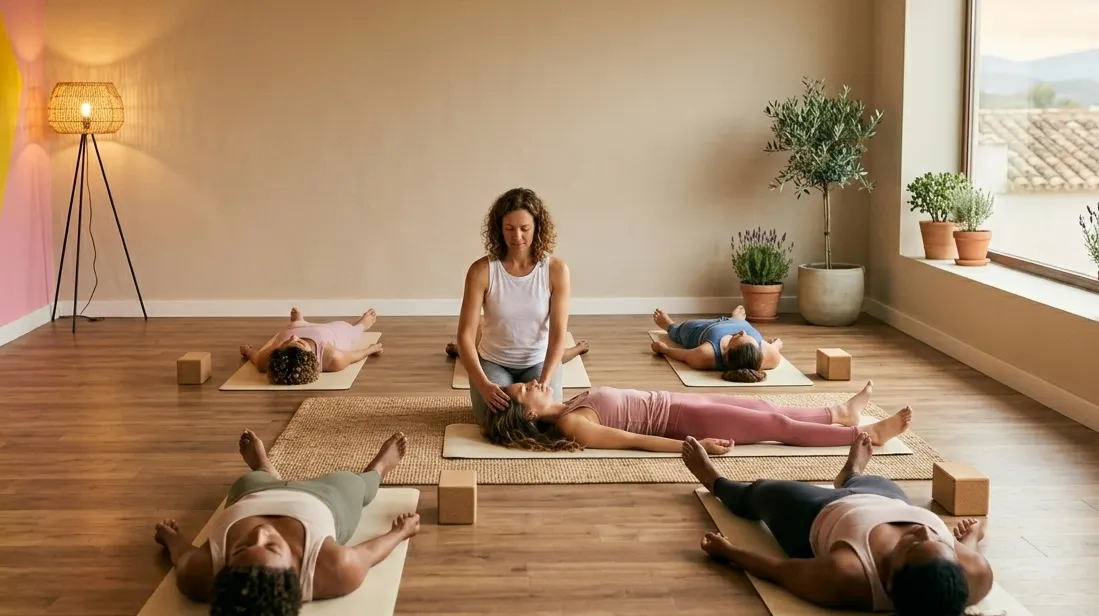
A jungle-set space in Midigama that has become a reference point for breathwork ...
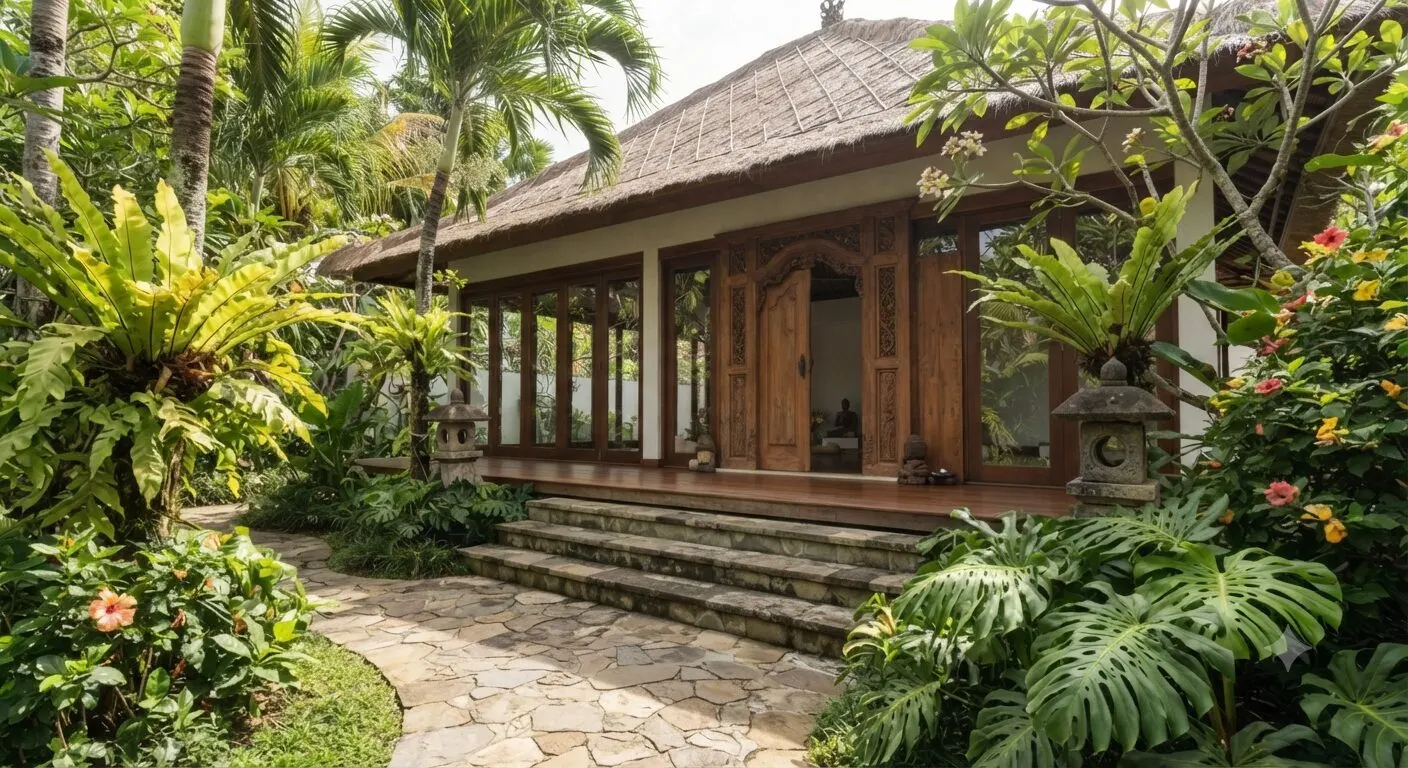
More retreat house than studio, Ironwood House gives facilitators a private, int...
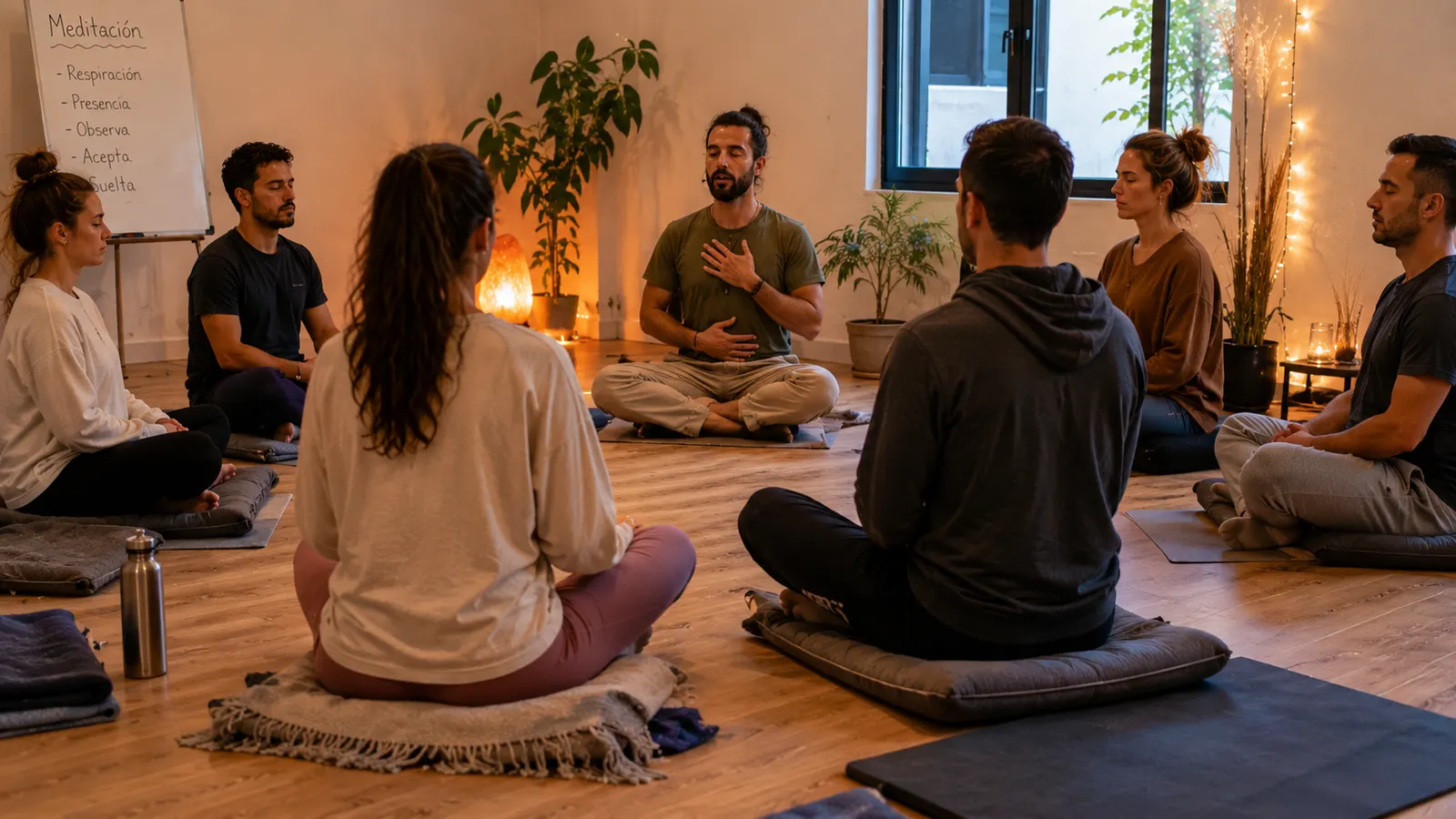
A dedicated yoga and breathwork space in Ahangama built around consistency rathe...
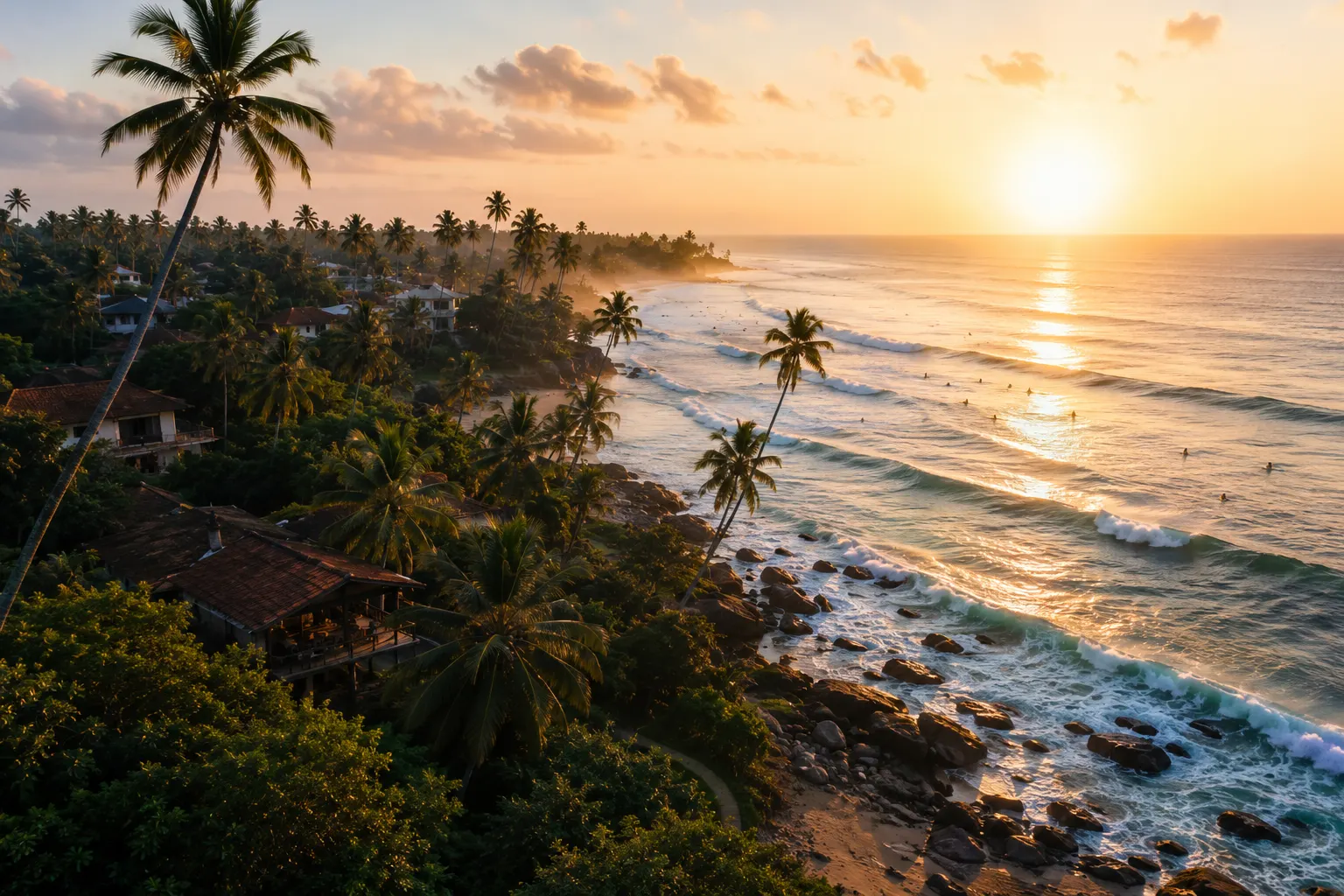
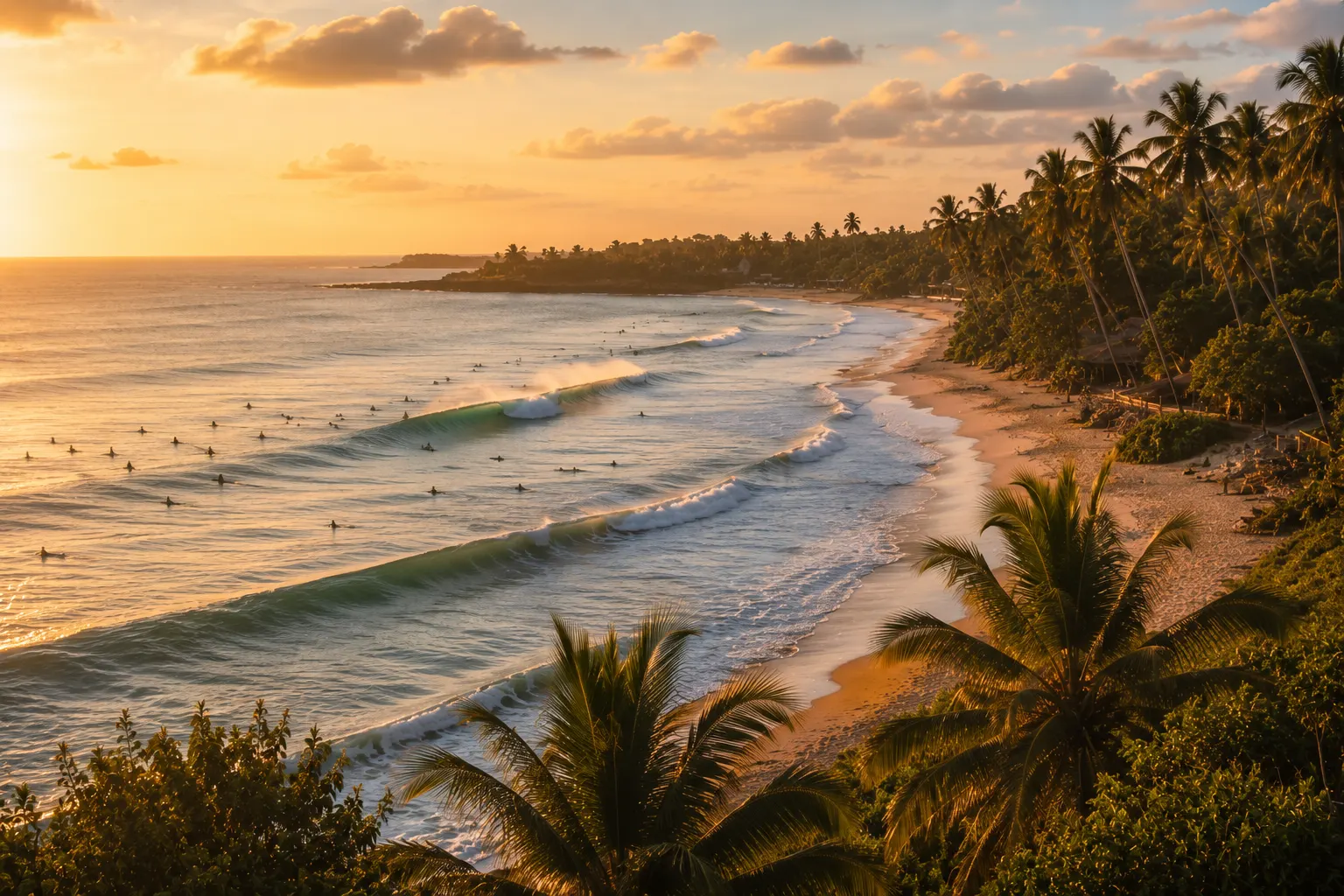
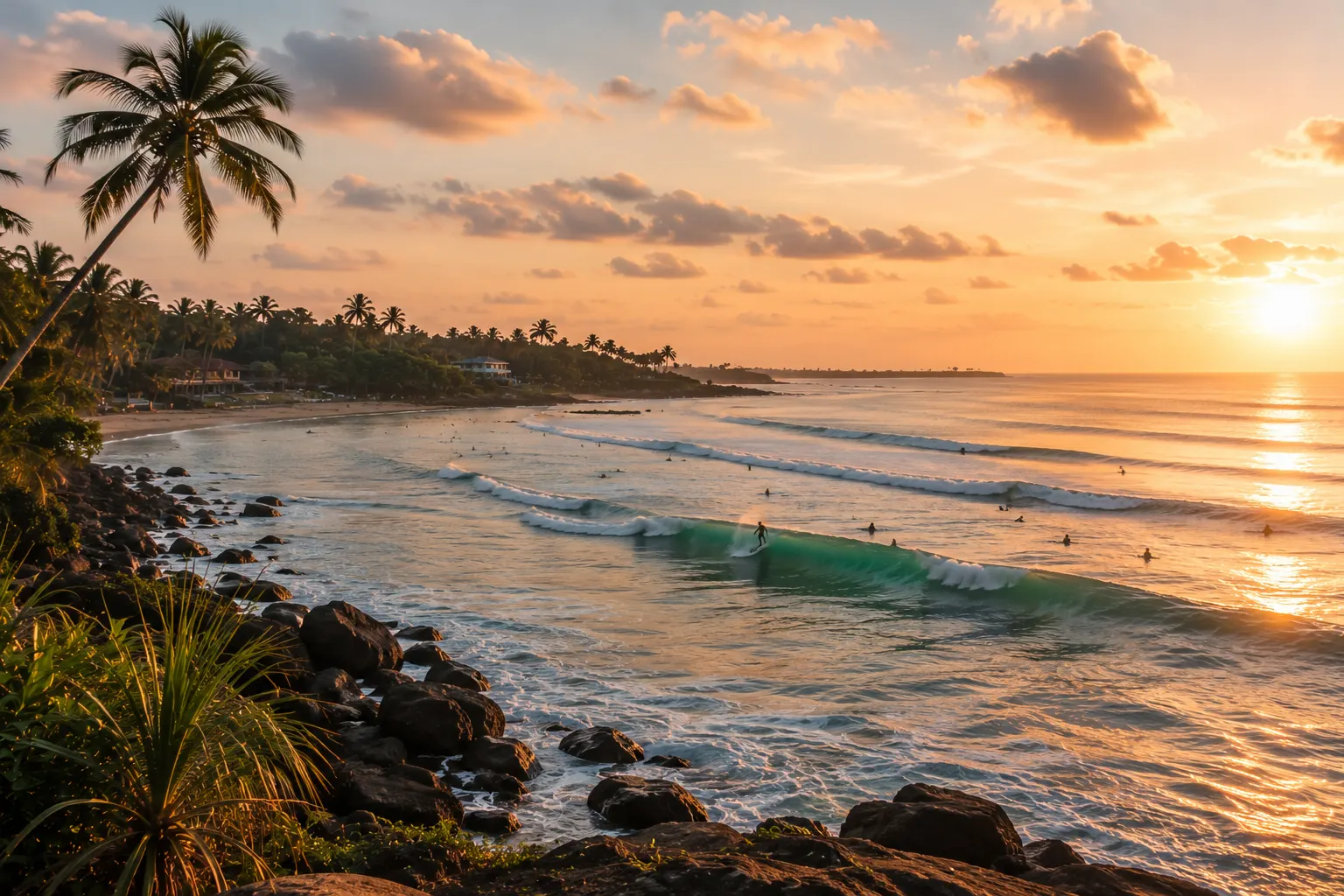
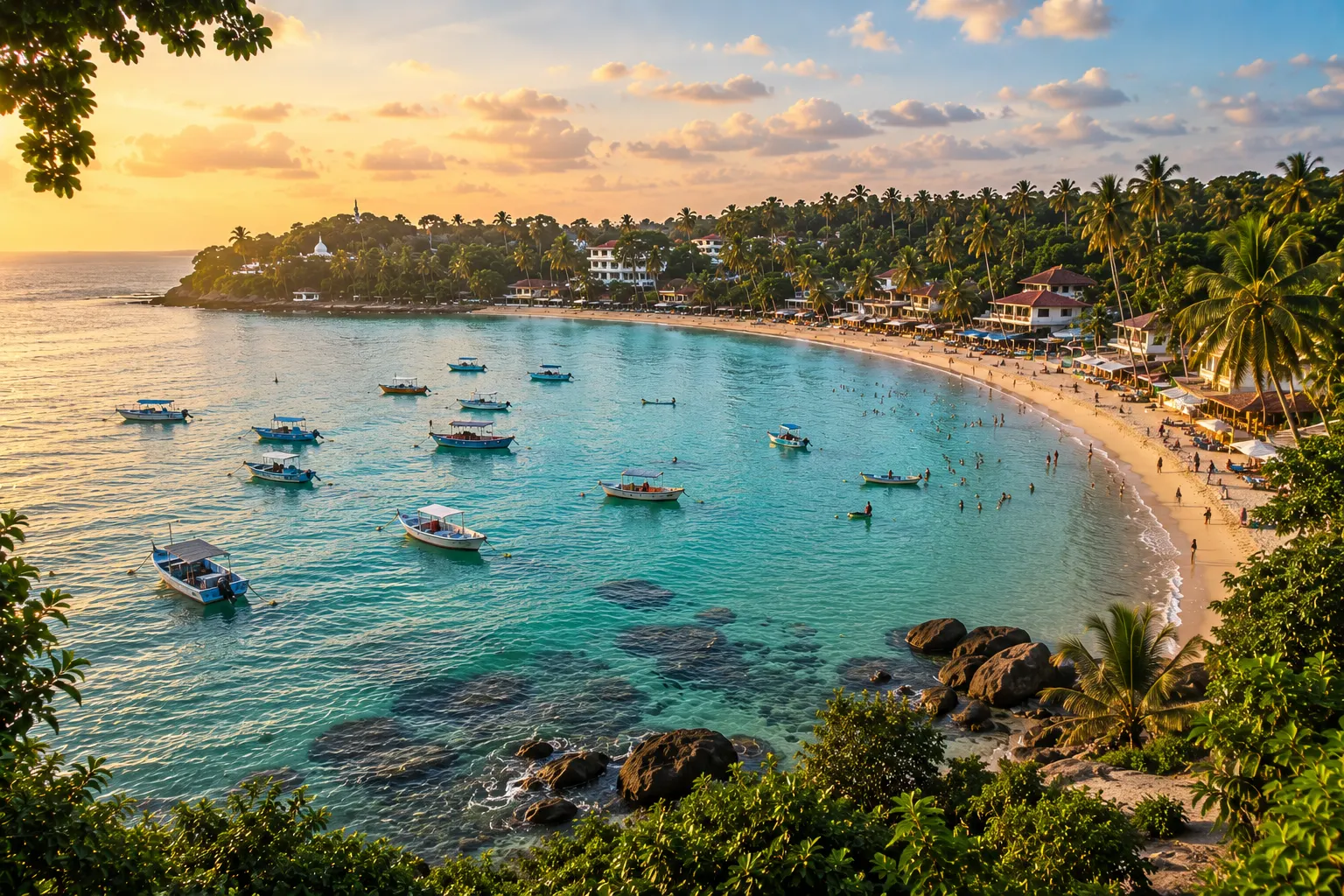
Sri Lanka’s south coast has quietly become one of Asia’s best yoga destinations — small jungle shalas, teachers who live here year-round, and a slower pace than more crowded scenes elsewhere. Most of it sits in a tight stretch between Ahangama and Mirissa, often the same few kilometers where people come to surf, which is why yoga-and-surf combinations are so common here rather than a coincidence.
Looking for yoga in Sri Lanka, but not sure what format actually fits? It breaks down into three genuinely different things, and they’re not interchangeable: a single drop-in class if you’re already here and want to practice once or twice, a multi-day retreat built around accommodation and a fixed program, or a 200-hour teacher training if you’re here to get certified. The sections above cover all three with what’s actually running right now; everything below covers what doesn’t change from month to month — where to go, what it costs, how to choose, and what an actual day looks like.
We’re not one of these schools or venues ourselves — lankaspirit is where every real one of them, across the whole island, gets organized into a single place: every current session, retreat and training, from every shala and studio we’ve verified, sorted by what you’re actually looking for instead of scattered across a dozen individual websites. That’s the reason to start here rather than on any single studio’s page — you’re seeing the full island, not one operator’s version of it.
Sri Lanka’s yoga scene grew up alongside its surf scene, not as a separate industry — the same small guesthouses and jungle shalas along the south coast that started hosting surfers a decade ago added a yoga platform because their guests asked for one, and it stuck. That history is why yoga in Sri Lanka tends to be smaller-scale and less commercial than a yoga holiday in Bali’s dense studio scene or India’s large ashram-style retreat centers: fewer big-brand operators, more owner-run spaces where the same one or two teachers run every session. It also means the season lines up with surf season on the same coast, so a Sri Lanka yoga and surf trip is genuinely easy to combine rather than a marketing angle.
The south coast between Ahangama and Mirissa is the real center of gravity for yoga in Sri Lanka — most of the venues, teachers and multi-day retreats on this site sit in that stretch, and it’s what “yoga in Sri Lanka” mostly means in practice. A few points worth knowing before you pick where to base a Sri Lanka yoga holiday:
If you’re already unsure which of the three products above fits, this is the actual decision: a single drop-in yoga class is the right call if you’re already traveling in Sri Lanka for other reasons and want to keep up a practice, or try it once. A yoga retreat is the right call if the trip itself is built around the practice — you want the accommodation, food and schedule handled, and a few days of consistent yoga rather than one class. Yoga teacher training in Sri Lanka is a different kind of trip entirely: it’s a study program with daily hours of practice and theory, usually 3–4 weeks, and it assumes you already practice regularly — treat it as a certification course, not a deeper holiday.
None of this is unique to Sri Lanka, but it’s worth checking regardless of where you book a yoga class or retreat: ask what certification the lead teacher actually holds (200-hour is the baseline; some hold 500-hour or specific style certifications worth asking about by name), how many people are typically in a group class (small owner-run yoga shalas here are usually under 15), and what’s actually included in a retreat or training price — accommodation type, meals, airport transfer, and cancellation terms vary a lot between listings even at similar price points. Every yoga listing on this site states these specifics on its own page rather than folding them into a headline price.
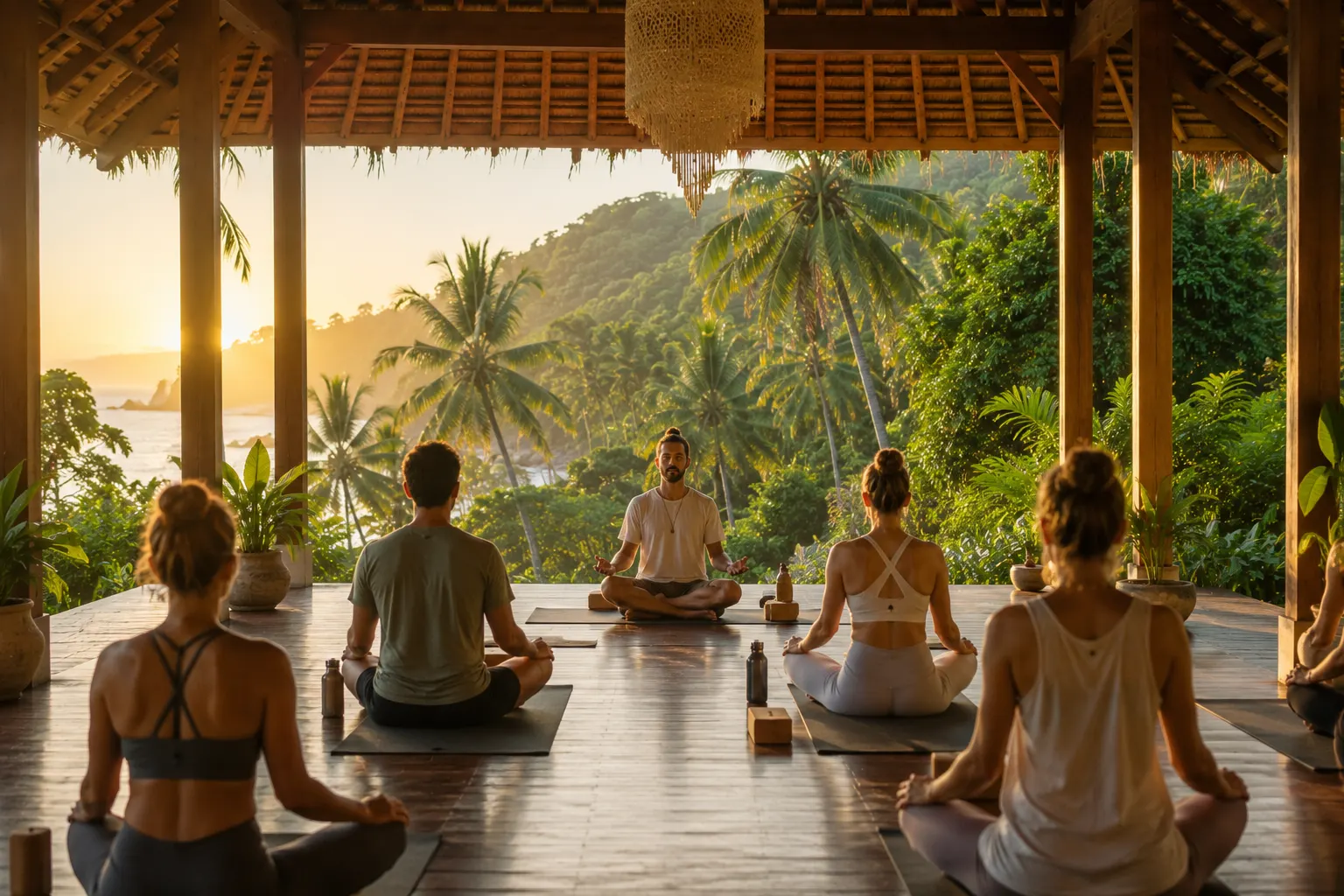
Most south-coast venues run an early session — 6:30 to 8am, ahead of the day’s heat — and many retreats add a second, gentler session in the late afternoon or evening. Between sessions, the day is unstructured: breakfast, free time, an optional excursion if the retreat includes one (a waterfall, a beach day, sometimes a short safari add-on). Meals are typically included on retreats and are almost always vegetarian, reflecting the local ingredients and the practice itself, though this varies by venue — check the specific listing if you have dietary needs.
Start here if you’re not sure yet which of the three fits your trip. If you already know you want a full retreat, skip straight to every open yoga retreat — real venues, organized by region, with pricing and duration you can actually compare. If you’re set on getting certified, every open yoga teacher training covers what’s currently running, plus what Yoga Alliance certification actually means and how to vet a school before you apply.
Take our 5-question quiz and we'll match you honestly, not just push you toward the nearest listing.
Take the quiz