Free, donation-based Vipassana at a forest monastery, or a paid guided retreat with a teacher — two different products. What each actually costs.
A one-off meditation session, usually a couple of hours, layered onto a venue's regular schedule — the right pick if you're already on the island and want a taste of it without a bigger commitment.
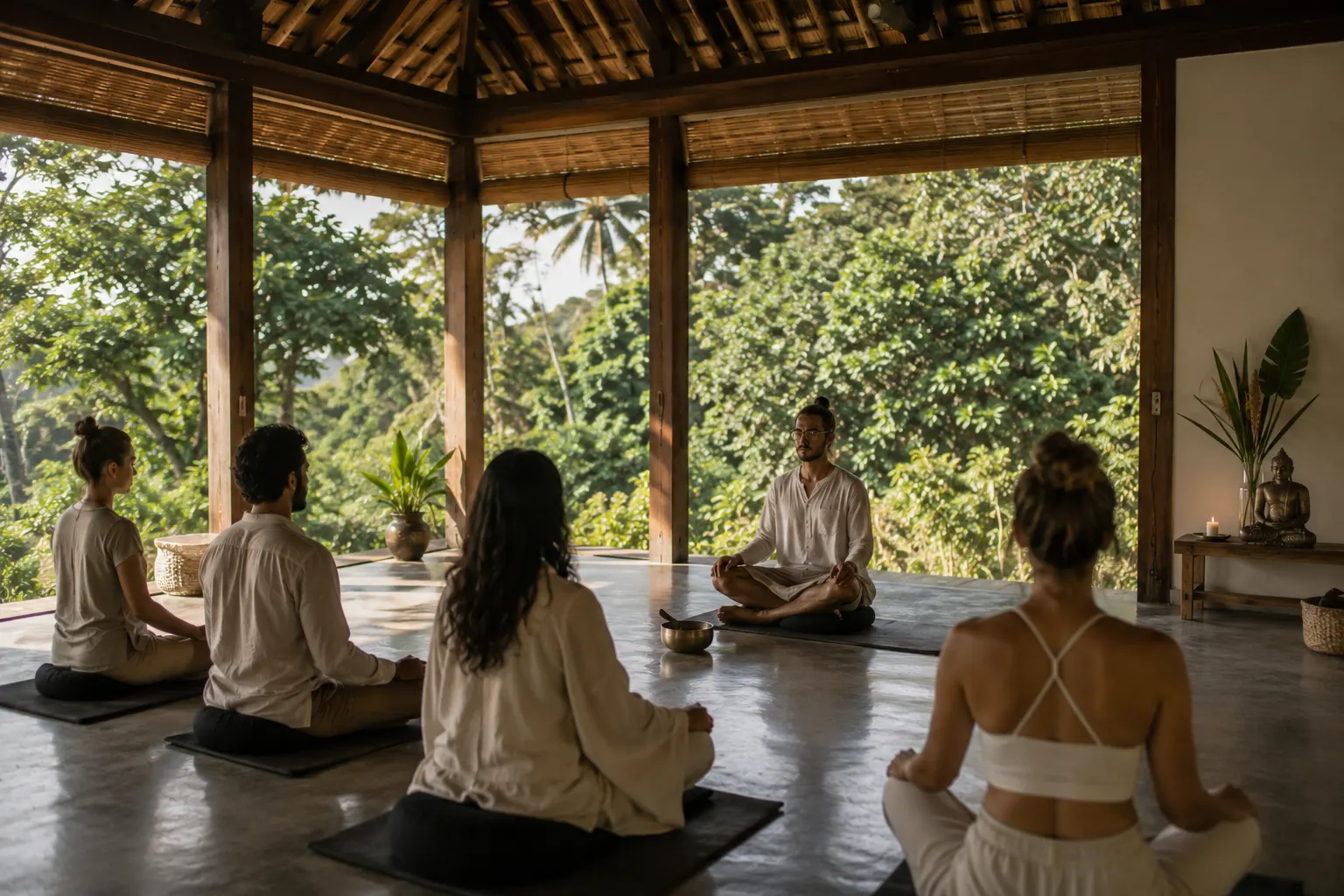
More sessions added as venues confirm dates. Run one? List it here.
Several days of meditation, with accommodation and meals built in — the right pick if the trip itself is built around the practice, not squeezed into other plans.
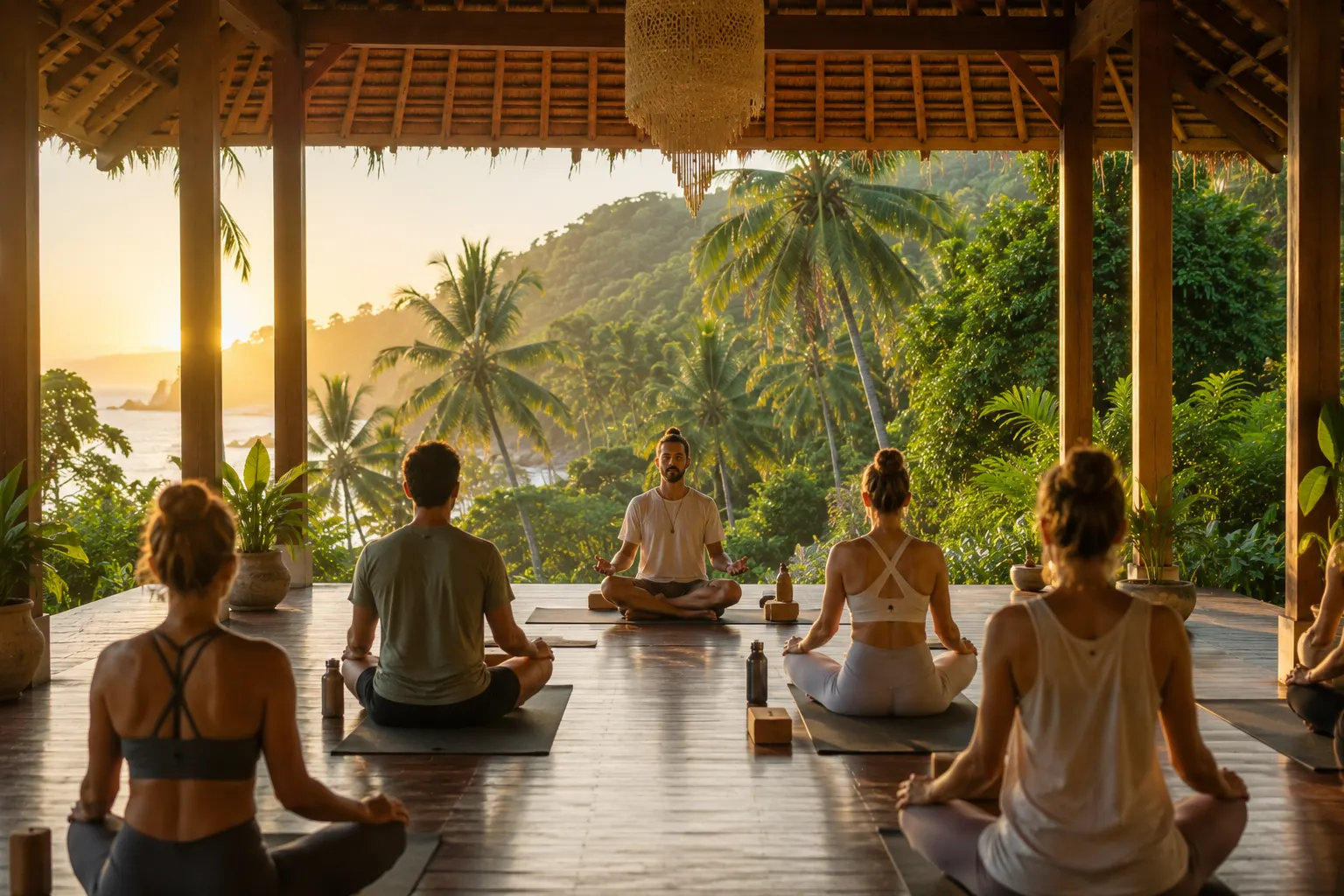
More retreats added as venues confirm dates. Run one? List it here.
A certification to hold meditation sessions yourself — a different product and price bracket, not a deeper version of a class or retreat.
No facilitator training listed yet. Run one? List it here.
Computed from what's actually listed above — not a fixed estimate, so this updates as real venues confirm dates and prices.
| Single session | €8 – 28 |
| Multi-day retreat | €620 |
| Facilitator training | Not yet listed |
The practice only gets you halfway — here's where on the island meditation is actually concentrated, so you can pick a place before you pick a listing.
Every venue below is one we've actually verified — not pulled from someone else's directory.
Sri Lanka has been a living center of Theravada Buddhist meditation for over 2,300 years, and it shows in what’s actually available here versus a generic “meditation retreat” destination — genuine forest monasteries and donation-based Vipassana centers exist alongside commercial retreats, and the two aren’t interchangeable.
We’re not one of these centers or retreat venues ourselves — lankaspirit is where every real bookable meditation retreat, guided session and teacher-led program across the island gets organized into a single place, sorted by what you’re actually looking for, and cross-referenced against the monastic path that runs alongside it rather than through it.
Search for a meditation retreat in Sri Lanka and you’ll find two genuinely different products mixed together, and mistaking one for the other sets the wrong expectation. A monastic Vipassana center — Nilambe and Kanduboda are the best-known — is part of Sri Lanka’s living Theravada tradition: donation-based or a nominal daily fee, run by monks or an experienced lay teacher, with an early schedule (often starting around 4am), multiple daily sits, simple vegetarian food, and observed silence. It’s not a commercial retreat and isn’t bookable through a platform like this one — you contact the center directly, and availability runs on their own terms, not a calendar.
A commercial meditation retreat, by contrast, is a paid, hospitality-run program: comfortable accommodation, a fixed multi-day schedule with a teacher, and often meditation layered alongside yoga rather than as the sole focus. This is the format actually listed and bookable on this page. Neither format is “more real” than the other — they serve different needs, at very different price points, and this page keeps the two clearly separated rather than blurring them together.
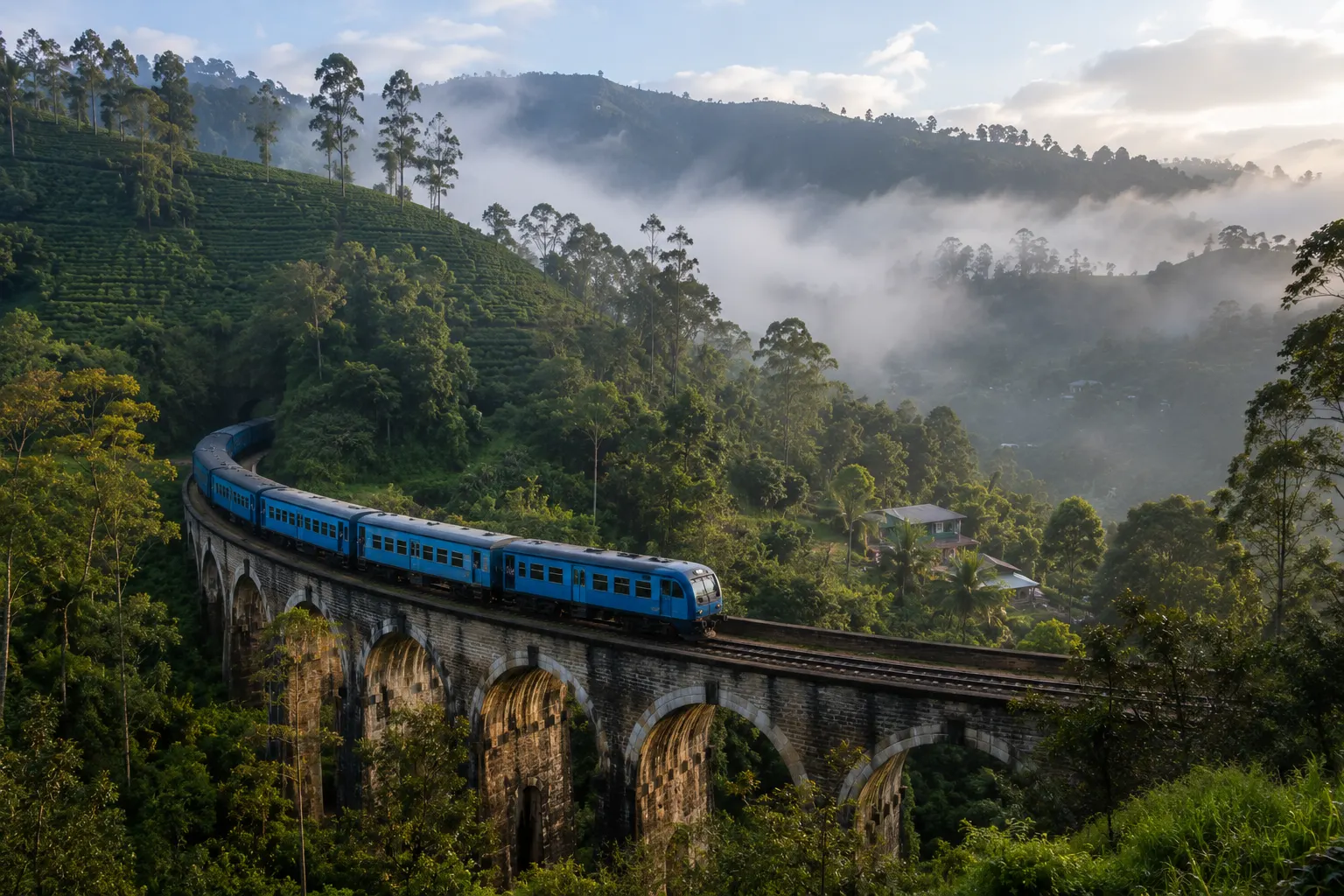
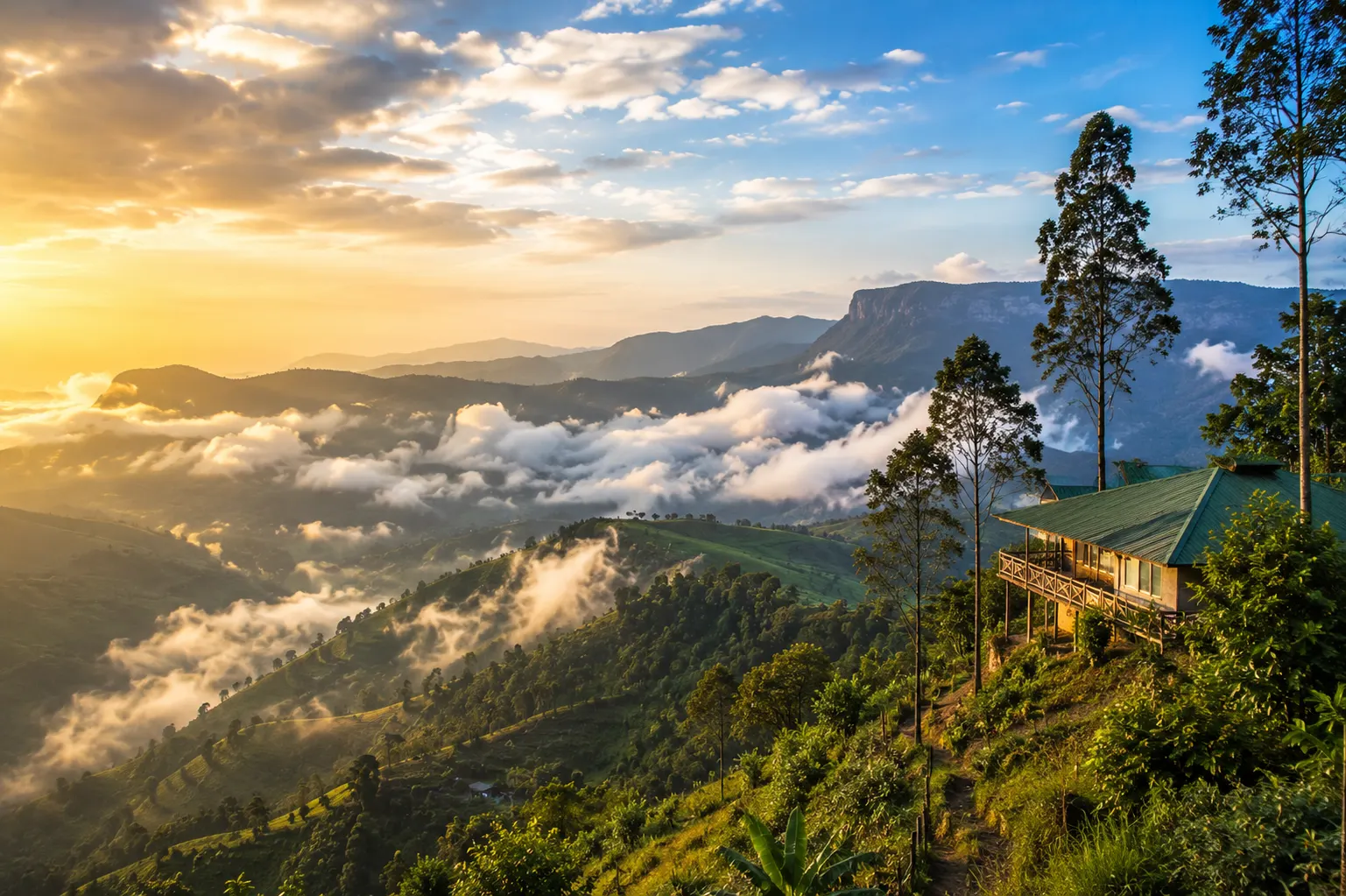
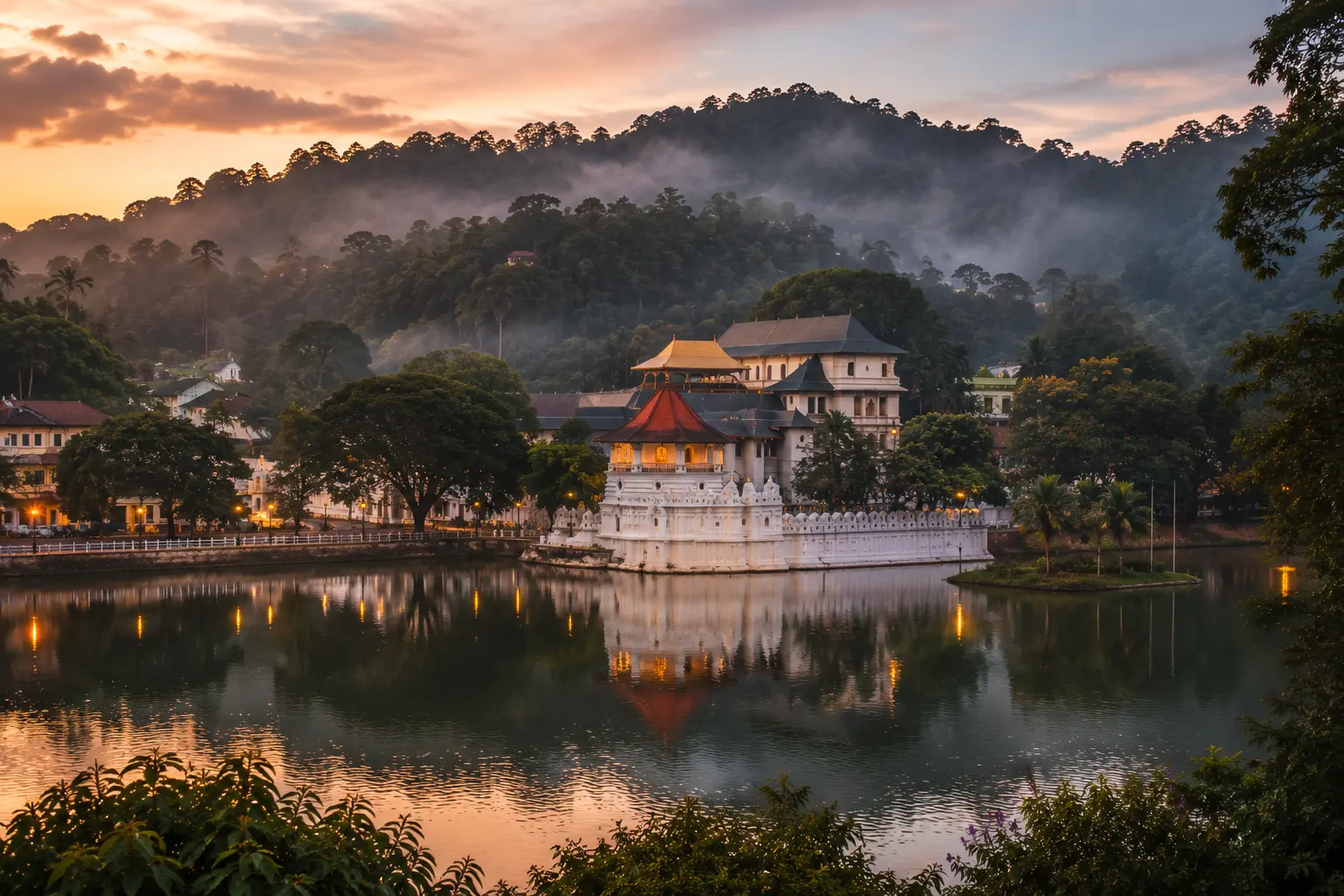
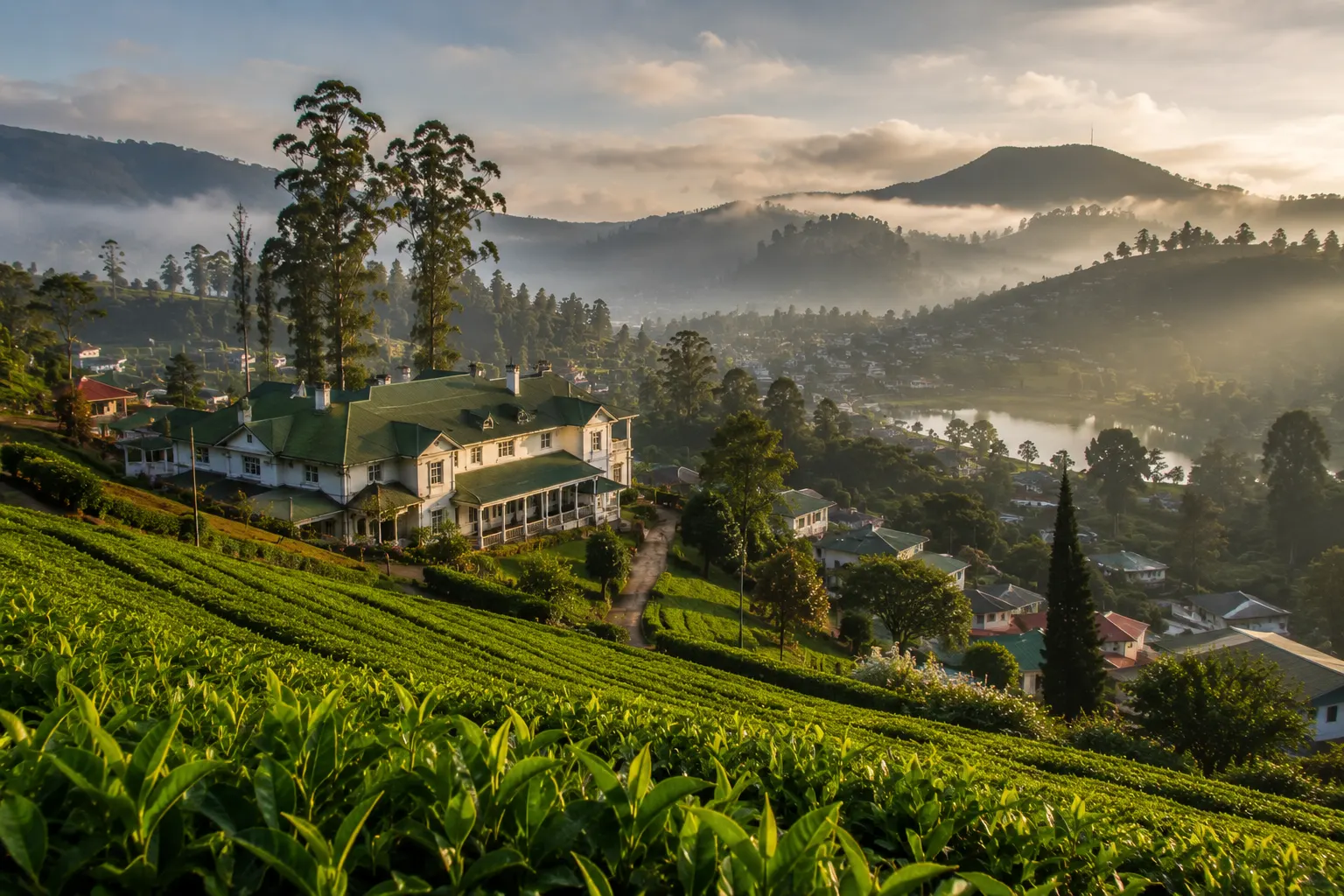
The hill country — Kandy, Ella and Nuwara Eliya — is the real center of gravity for meditation in Sri Lanka, and for good reason: cooler air, quieter surroundings, and the country’s most established monastic centers are all up here rather than on the beach-and-surf coast.
If you’ve never sat still for more than a few minutes and want to try it once, a single guided session — a cacao ceremony and meditation circle, for instance — is the lowest-commitment way in. If you want several days of structured practice with comfortable accommodation and a teacher, a guided lay retreat (often combined with yoga) is the right product, and it’s what’s actually bookable in the sections above. If you want the real monastic experience — donation-based, early and demanding, genuinely part of the living tradition — a center like Nilambe or Kanduboda is the real answer, but go in understanding you’re contacting an independent institution, not booking a commercial stay.
Ask directly which of the two products you’re actually looking at — a monastic center or a commercial retreat — since the marketing language on both sometimes borrows from the other. For a commercial retreat, ask what tradition or lineage the teacher trained in and for how long, whether the schedule is fixed or self-paced, and whether silence is observed throughout or only during formal sits. For anyone claiming a monastic affiliation, verify it’s a real, named center (Nilambe and Kanduboda are the two most established and independently verifiable) rather than a retreat venue borrowing monastic language for atmosphere without the actual practice or teacher lineage behind it.
At a serious monastic center, the day runs closer to a schedule than a wellness weekend: an early wake-up (often around 4am), multiple seated and walking sits spaced through the day, one or two simple vegetarian meals, a teacher meeting or dharma talk, and observed silence between sessions — genuinely different in character from a relaxed retreat. At a guided lay retreat, the day is gentler and more structured around comfort: a later wake-up, one or two group sits, meals served rather than self-served, and often a yoga session or free time layered in alongside the meditation. Neither is the “correct” version — they’re different products, and knowing which kind of day you’re signing up for before you arrive avoids the wrong expectation.
Whichever format you choose, modest, fully covering clothing is expected regardless of gender, and a warm layer matters more than most visitors expect: Kandy, Ella and Nuwara Eliya all get genuinely cold after dark, a surprise if you’re picturing only tropical heat. Serious monastic centers run limited-capacity stays on fixed dates, so book several weeks to a couple of months ahead rather than expecting to walk in.
Not sure which format actually fits what you’re looking for? Take our 5-question quiz and we’ll point you toward a monastic center, a guided retreat, or a single session rather than assume — or browse meditation retreats directly if you already know.
Take our 5-question quiz and we'll match you honestly, not just push you toward the nearest listing.
Take the quiz