Gong baths, singing bowls and handpan — what a session actually involves on Sri Lanka's south coast, real prices, and a look at the evidence.
Every listing below is real and bookable.
A one-off sound healing session, usually a couple of hours, layered onto a venue's regular schedule — the right pick if you're already on the island and want a taste of it without a bigger commitment.
More sessions added as venues confirm dates. Run one? List it here.
Several days of sound healing, with accommodation and meals built in — the right pick if the trip itself is built around the practice, not squeezed into other plans.
More retreats added as venues confirm dates. Run one? List it here.
A certification to hold sound healing sessions yourself — a different product and price bracket, not a deeper version of a class or retreat.
Computed from what's actually listed above — not a fixed estimate, so this updates as real venues confirm dates and prices.
| Single session | €14 – 3500 |
| Multi-day retreat | €890 |
| Facilitator training | €650 |
The practice only gets you halfway — here's where on the island sound healing is actually concentrated, so you can pick a place before you pick a listing.
Every venue below is one we've actually verified — not pulled from someone else's directory.
Every real sound healing option in Sri Lanka we’ve verified, organized here in one place — sessions, retreats that include it, and the facilitator training program we know of, rather than scattered across individual studio pages.
We’re not one of these facilitators ourselves — lankaspirit is where every real sound healing session, retreat element and facilitator training across the island gets organized into a single place, sorted by what you’re actually looking for rather than scattered across a dozen individual studio websites. That’s the reason to start here — you’re seeing the full island’s real options, not one operator’s version of it.
Sound healing is one of the newer additions to Sri Lanka’s modern wellness scene — small in volume compared to yoga or breathwork, but real on the ground, usually layered into breathwork and yoga retreats rather than booked as a standalone trip. It sits alongside a much older, separate tradition: Sri Lanka has its own indigenous sound practices — drumming, chanting and mantra used in ceremonies like Pirith and the Kandy Esala Perahera — that predate the imported Tibetan-singing-bowl format most wellness venues use today. Worth knowing the difference going in, even though almost everything bookable on this page is the newer, imported format.
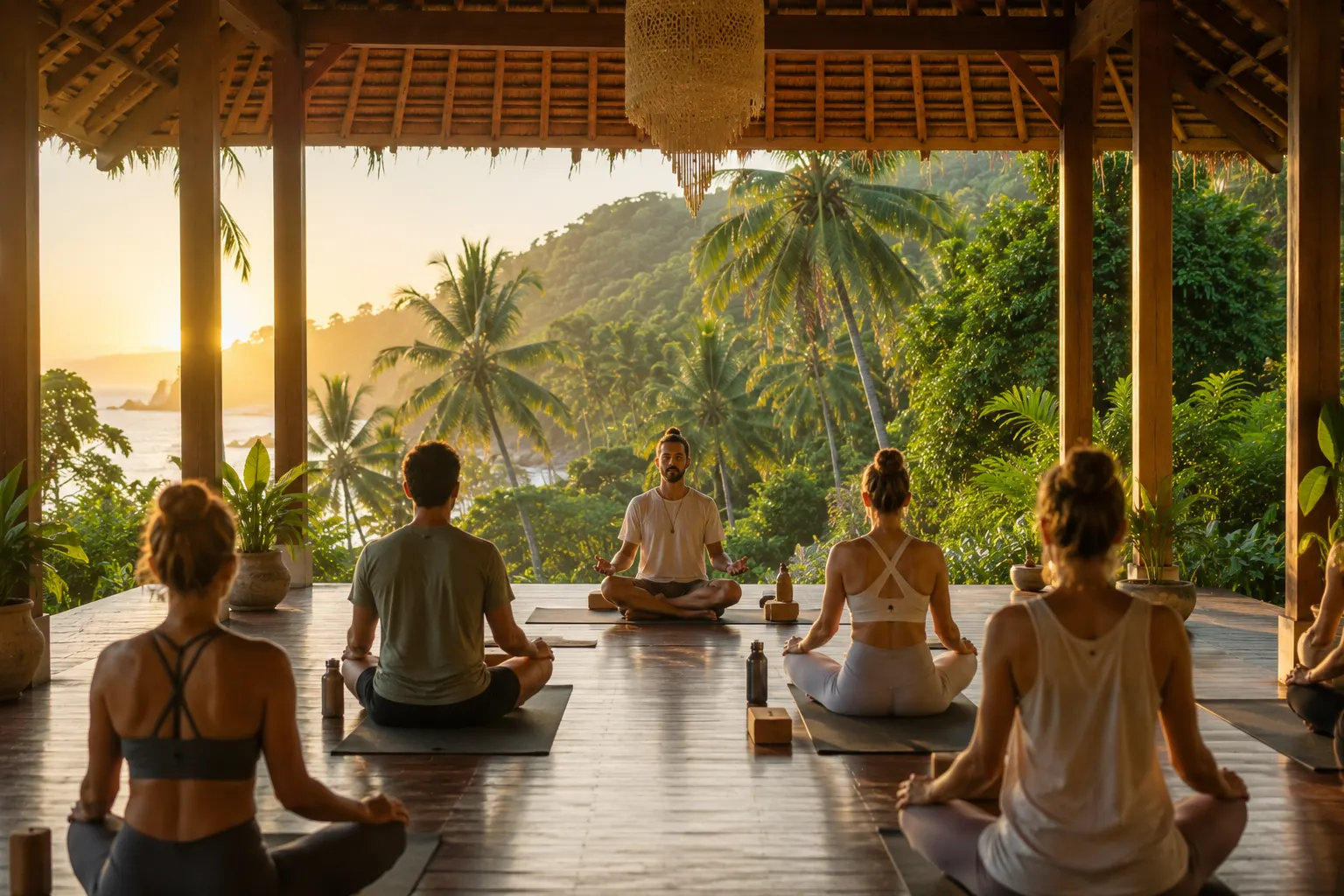
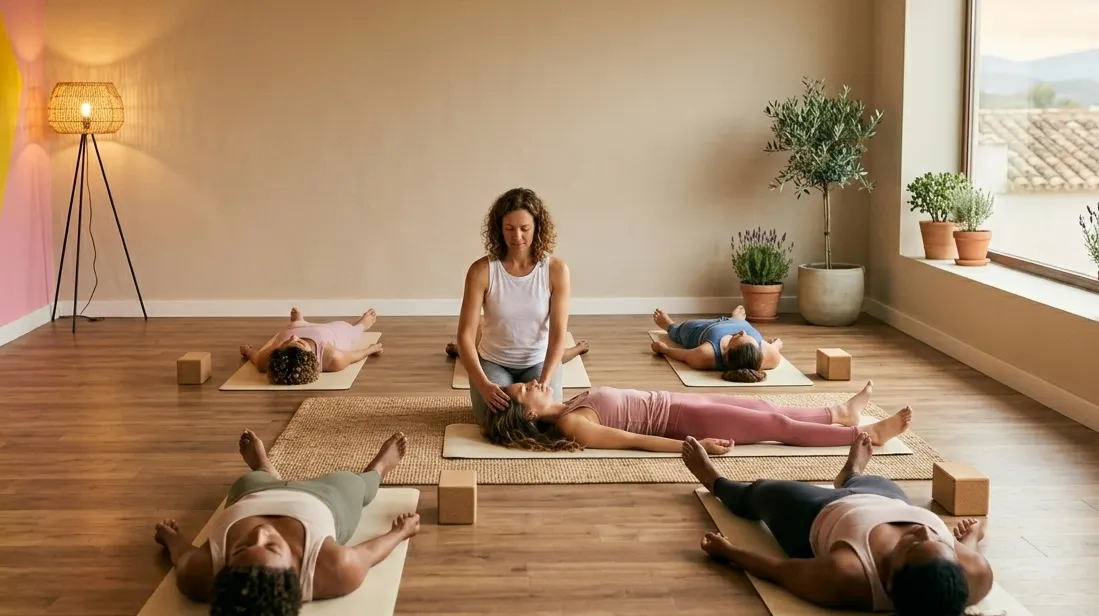
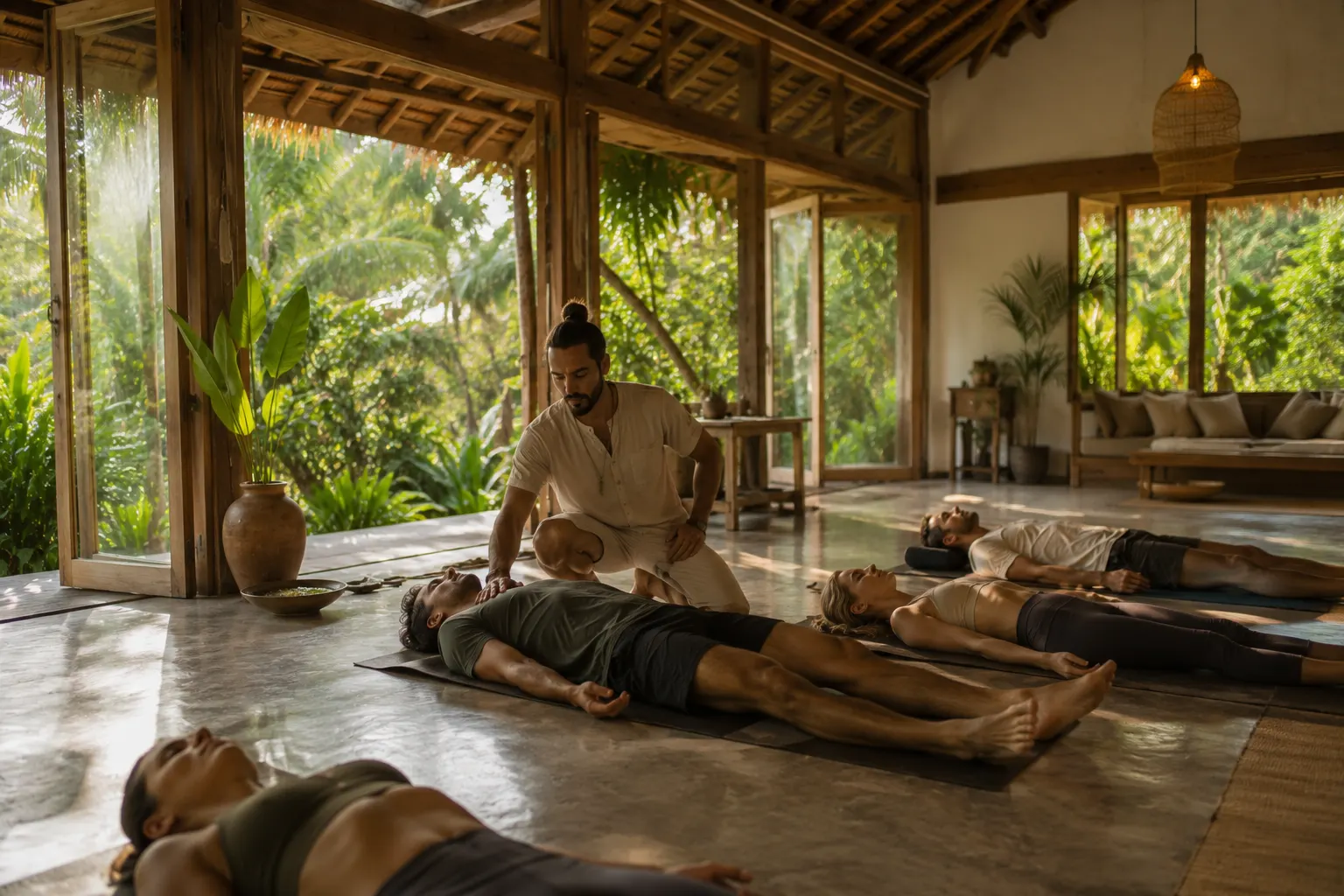
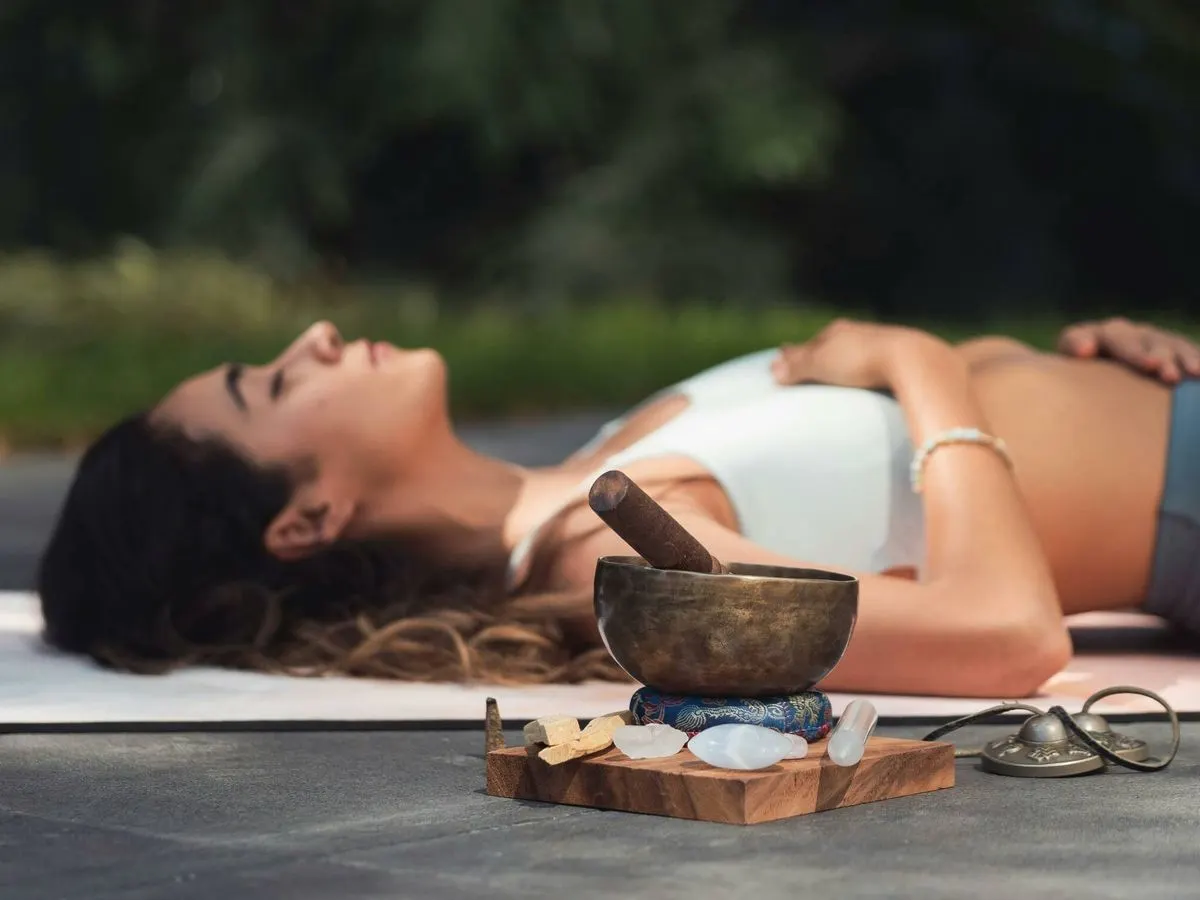
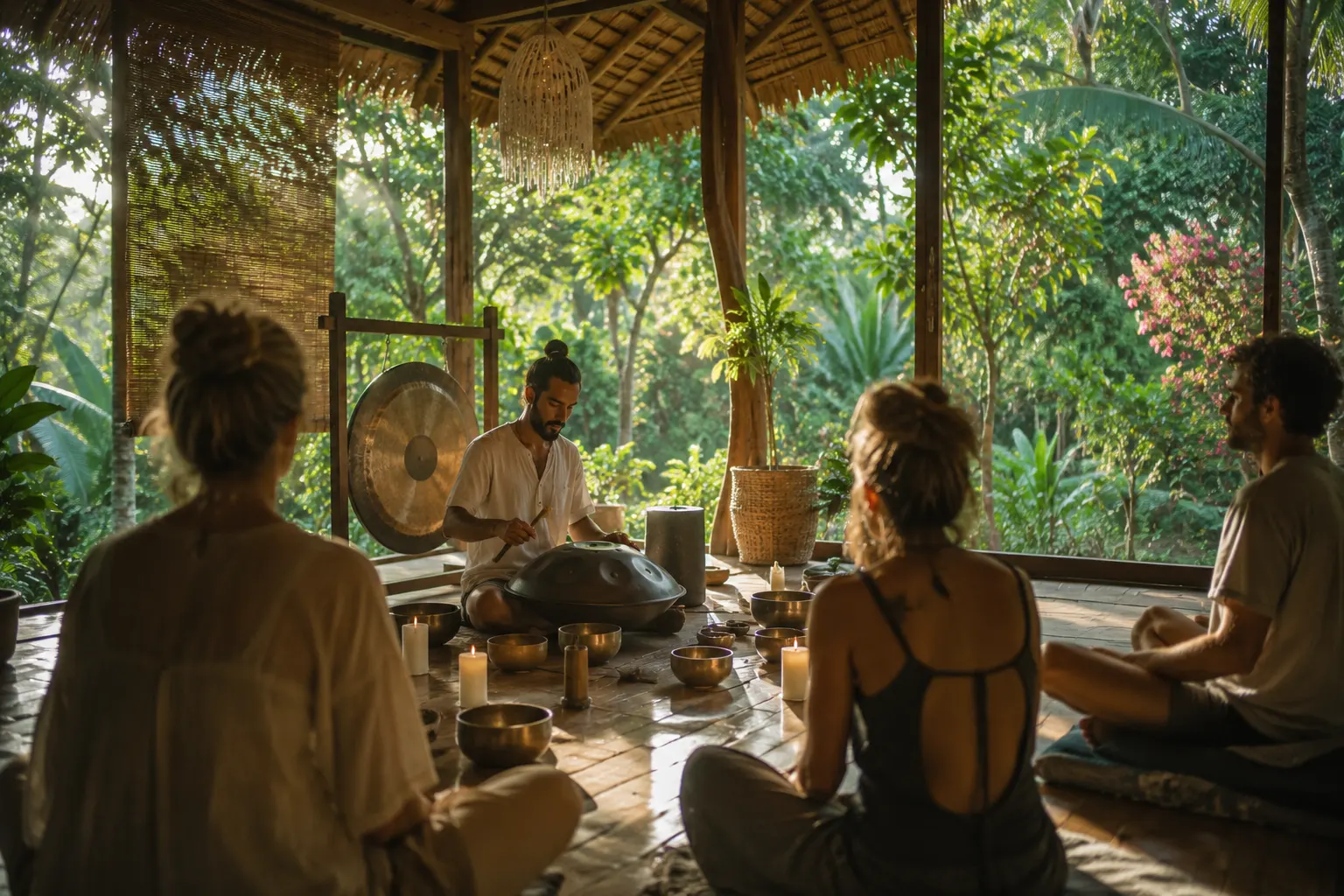
A session (often called a sound bath) involves lying still while a facilitator plays crystal or Tibetan singing bowls, gongs, handpan, and occasionally chimes — sustained tones and overtones rather than melody, usually 45–60 minutes, entirely passive. Nothing is required of you beyond lying down and staying present; it’s one of the lowest-effort wellness formats to try if you’re new to any of this.
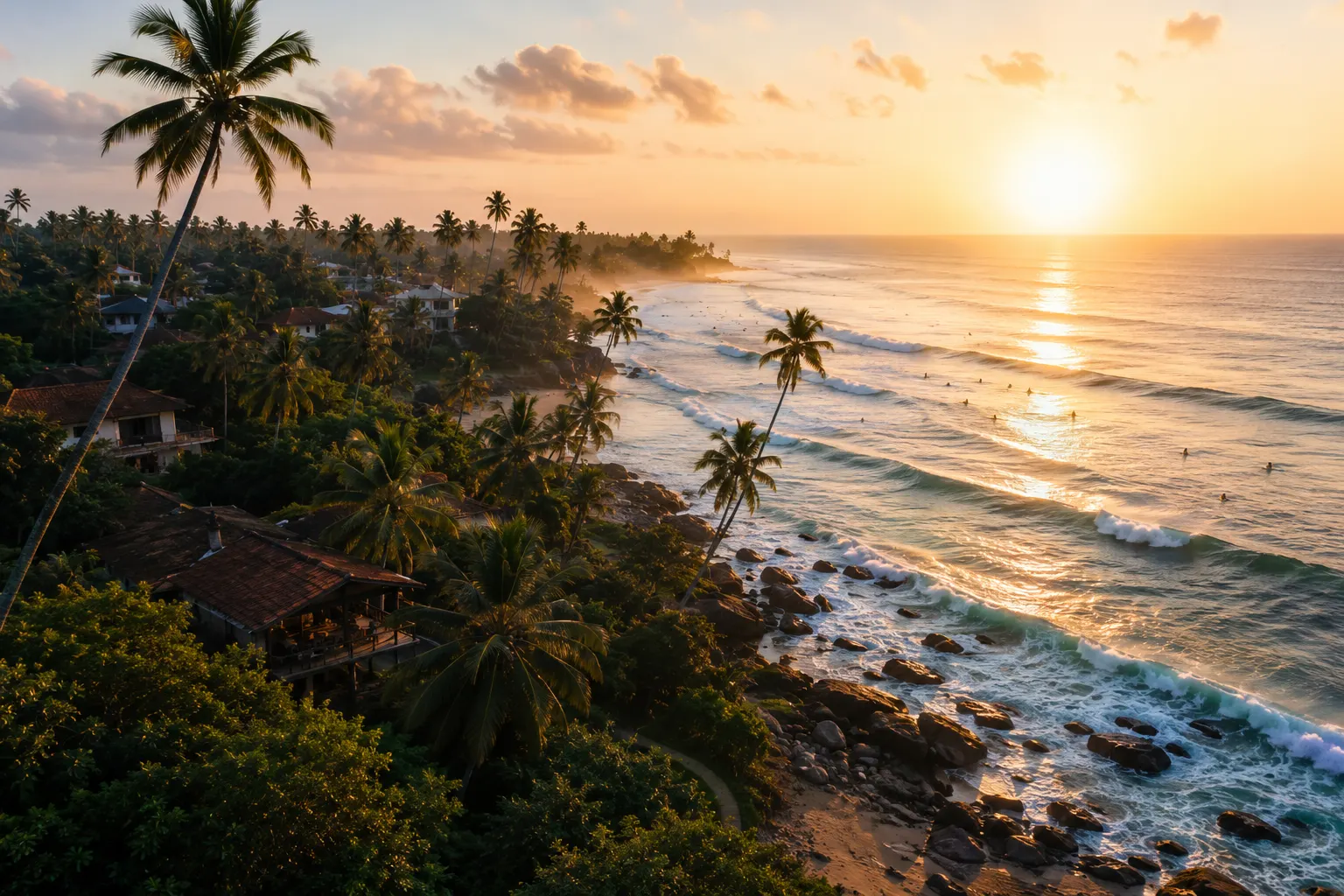
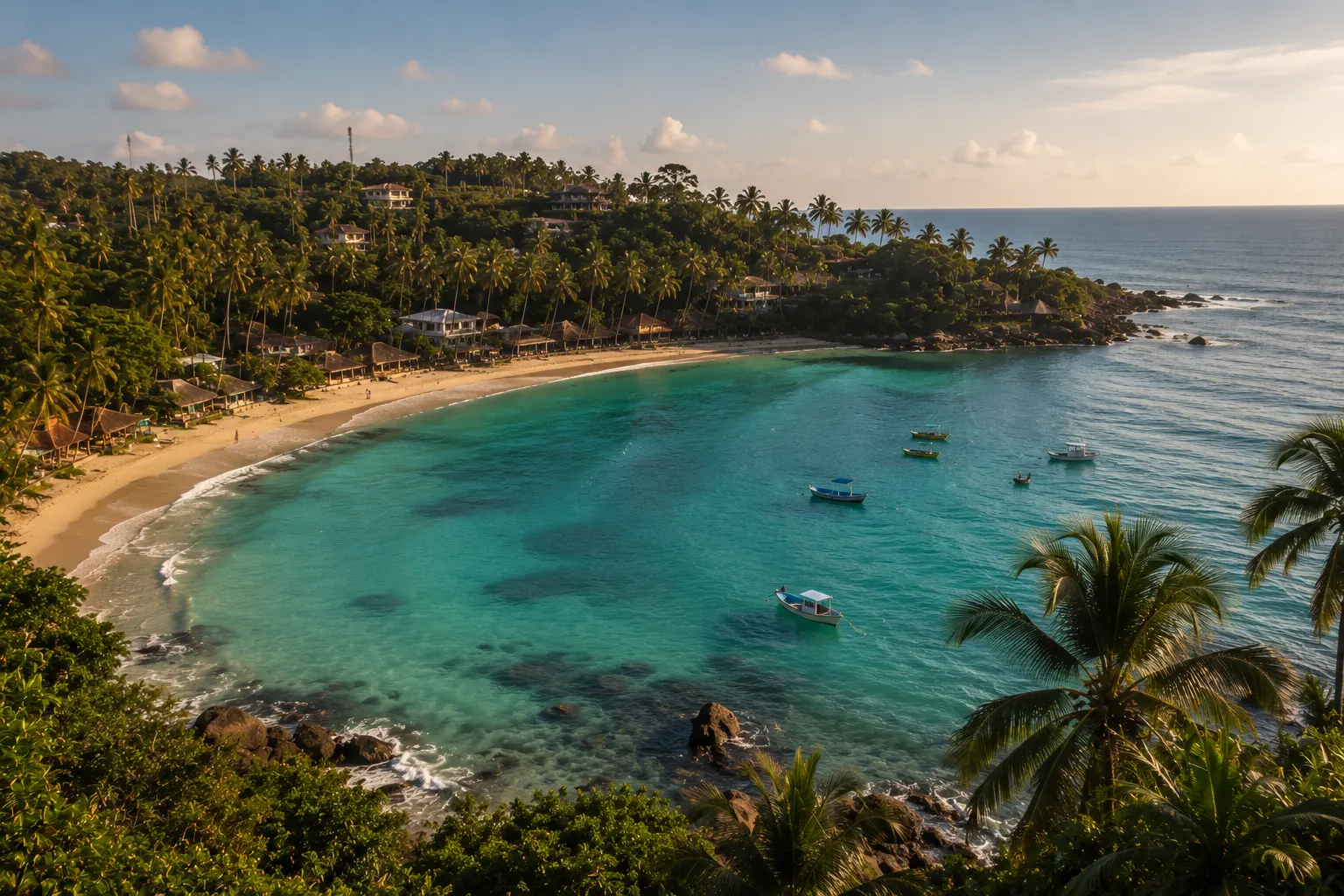
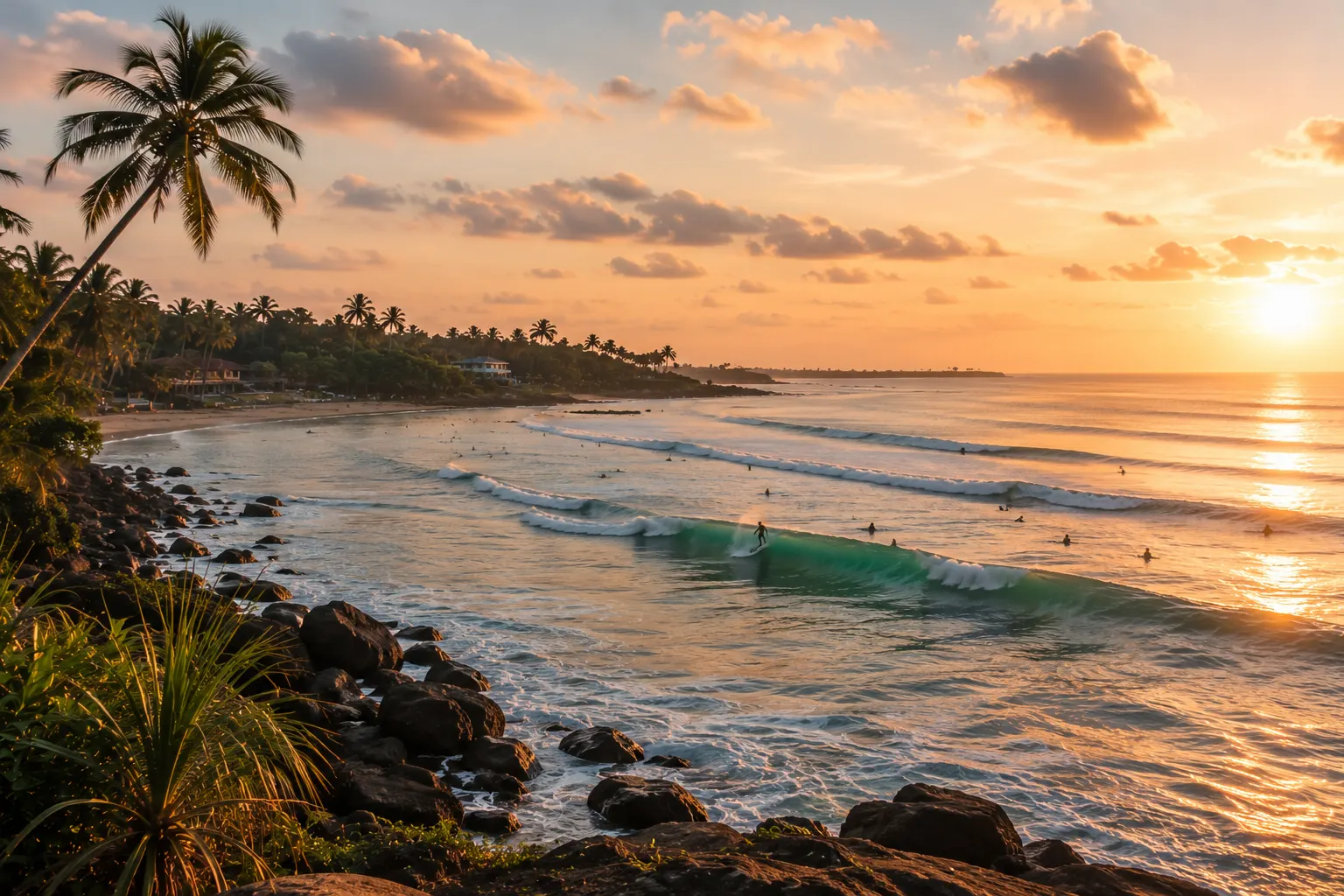
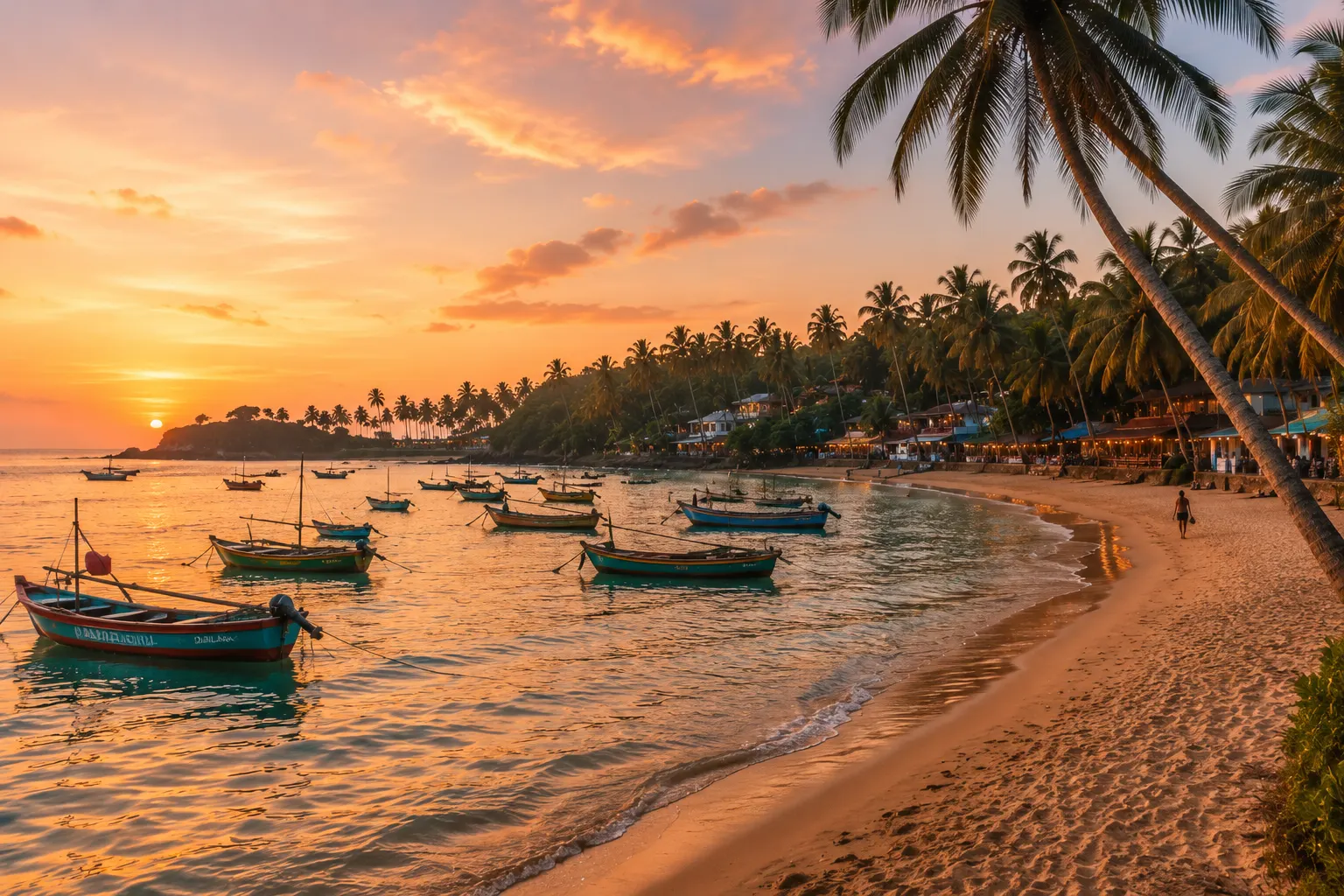
The south coast between Ahangama and Mirissa carries almost everything real and bookable on this page — the same cluster of venues that host yoga and breathwork also tend to offer sound healing, usually as an add-on element rather than a dedicated sound-only studio.
A single session — gong bath, singing bowls, or a handpan journey — is the right call if you want to try it once or add it onto a broader retreat; there’s no meaningful difference in commitment between the formats, just in what the session sounds and feels like. A retreat that includes sound healing as one element is the right call if you want it alongside yoga or breathwork rather than as the main focus of the trip — almost no retreats here are built around sound healing alone. Facilitator training is a different kind of trip entirely, assuming you want to learn to lead sessions yourself rather than just receive them.
Ask what instruments they actually trained on and for how long — sound healing has a lower barrier to calling yourself a “facilitator” than some other practices, so specific instrument experience matters more here than a vague credential. Ask whether they screen for pregnancy, pacemakers or other conditions where physical vibration matters before the session starts, not after. If you’re considering facilitator training specifically, ask what the curriculum actually covers hour by hour — sound theory, hands-on technique per instrument, session sequencing, and trauma-informed facilitation ethics are the components a serious program includes, not just “practice with the instruments.” Every open sound healing facilitator training currently running in Sri Lanka is listed with real dates, hours and what’s included.
Research using EEG and heart rate variability shows sound baths can shift brainwave activity toward relaxation states and increase parasympathetic activity — a genuinely reasonable evidence base for stress reduction. What it doesn’t support is the stronger marketing claim that specific frequencies “heal” tissue or clear trauma at a cellular level. In practice: it reliably helps many people relax, and that’s valuable without needing to inflate it further.
Not sure if this fits your trip? Sound healing is almost always a component of a broader retreat here, not a standalone one. Take our 5-question quiz to find a retreat that includes it alongside whatever else you’re looking for — or see sound healing programs directly.
Take our 5-question quiz and we'll match you honestly, not just push you toward the nearest listing.
Take the quiz