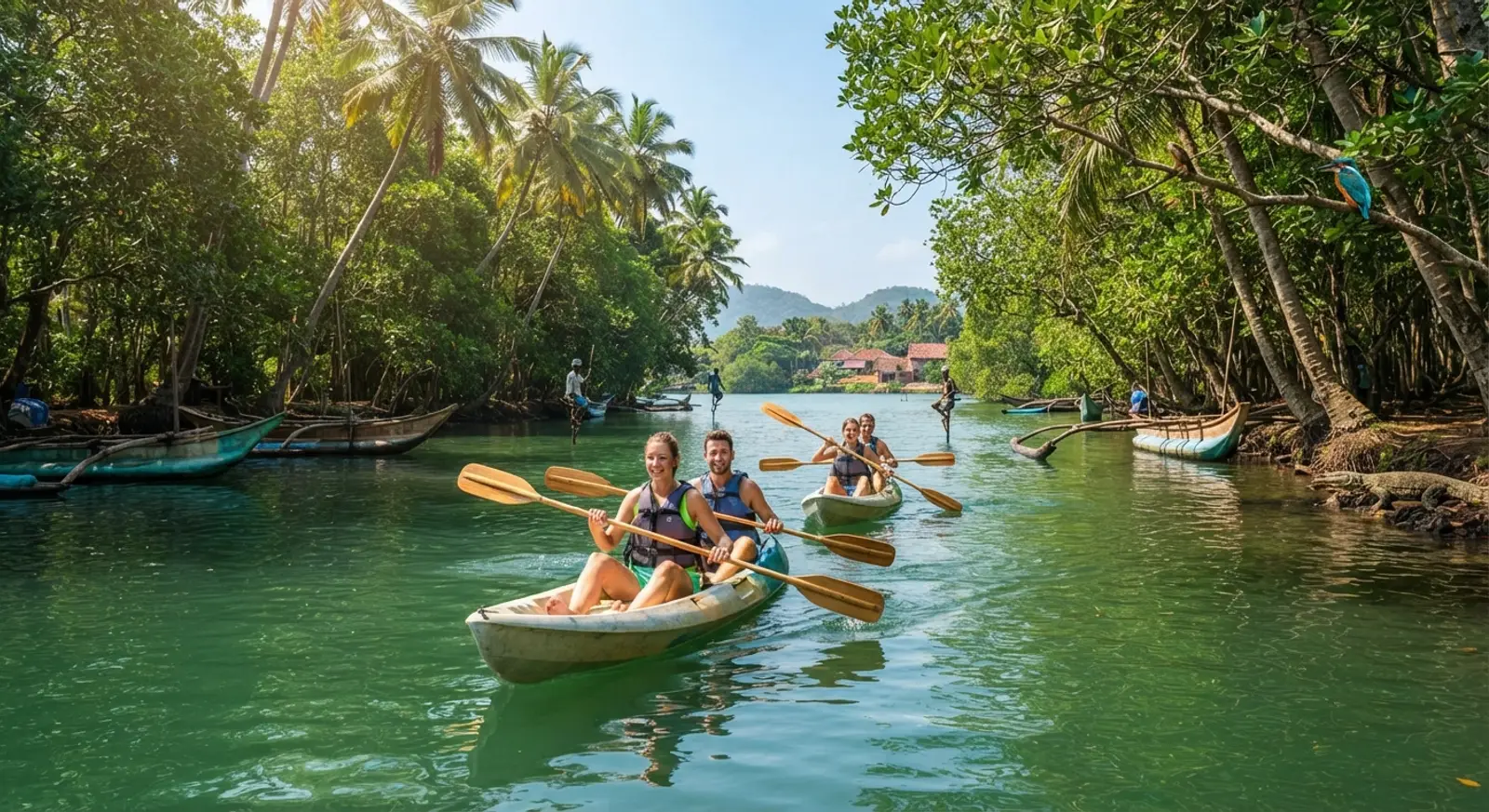
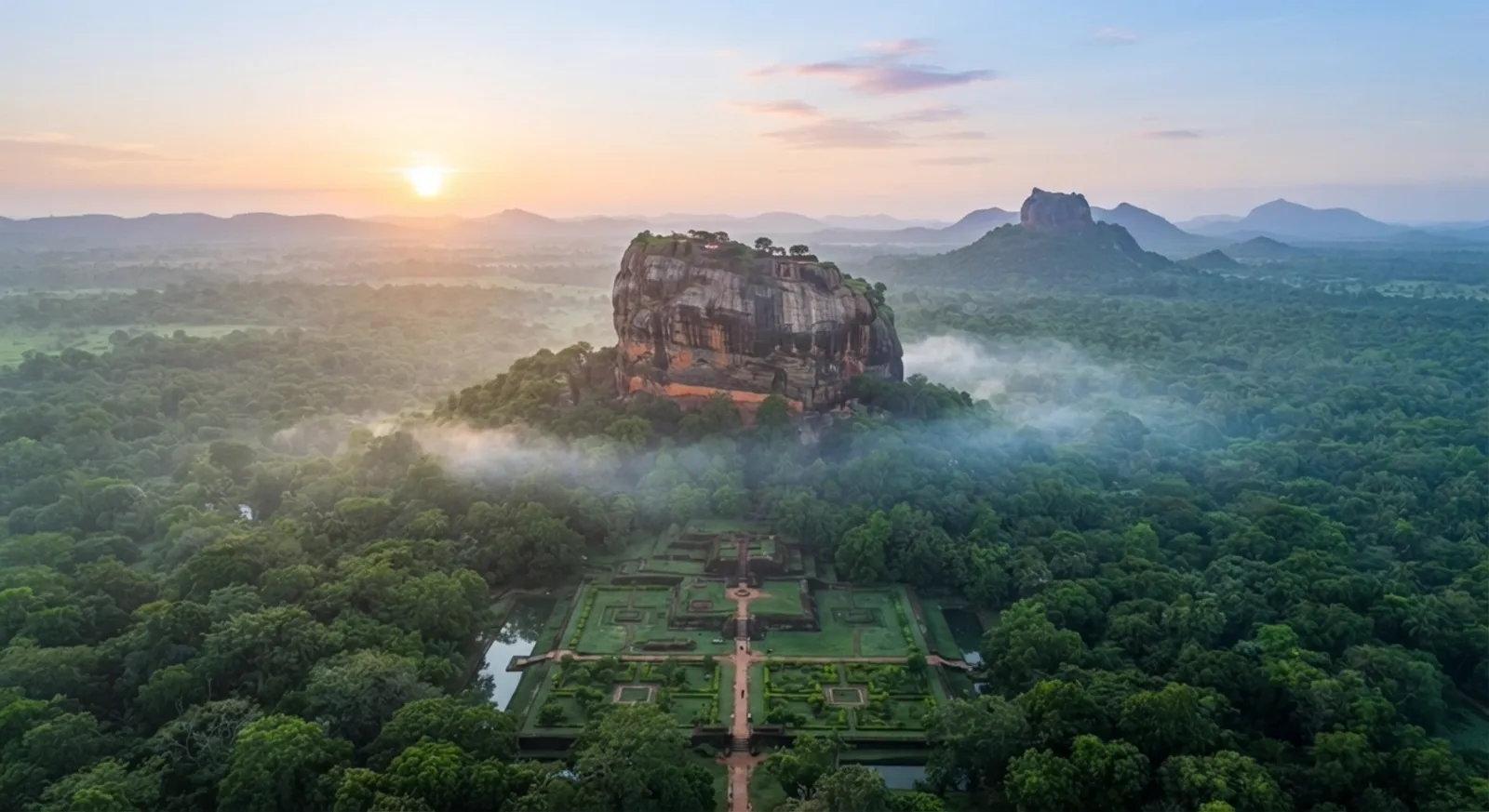
Violent crime against tourists is rare in Sri Lanka. Drowning and road accidents aren't. A data-based look at the real risks, verified against official sources.
Yes, for the overwhelming majority of visitors. Violent crime against tourists is rare. But "is it safe" is the wrong question if you stop at crime — the two things that actually kill or seriously injure travelers here are ocean currents at beaches that look calm, and road accidents. Both are avoidable once you know they're the real risk.
The US State Department has Sri Lanka at Level 2, “Exercise Increased Caution” — the same tier as France, Germany, and the UK, for context. The reasoning cited is terrorism risk, the possibility of civil unrest or demonstrations turning violent with little warning, and a landmine legacy in parts of the former conflict areas in the north and east. It is not a reflection of everyday street crime against tourists in the south and central regions, where nearly all visitors spend their trip.
The UK’s FCDO doesn’t issue a blanket warning against travel to Sri Lanka at all, and describes it as generally safe for British nationals, with regular updates rather than a static “avoid” notice. Both governments agree on the same practical point: stay alert around demonstrations and avoid the rural former conflict zones in the north and east without a specific reason to be there — the rest of the country carries no elevated advisory.
Sri Lanka records roughly 1,100 to 1,200 drowning deaths a year across its beaches, rivers, and inland waterways. Among tourists specifically, the pattern is consistent: people swimming at a beach that looks calm get caught in a rip current — a fast channel of water pulling out through a break in the sandbar or reef — and are suddenly swept far from shore before they realize what’s happening. Fatalities among foreign nationals have included British, French, German, Russian, and Australian visitors in recent years, almost always at beaches with no lifeguard presence and no warning that the calm surface hides a strong undertow.
This isn’t unique to one beach — currents vary by season and by exact stretch of sand, which is part of why it catches people off guard. Mirissa, for instance, is popular for swimming and whale-watching boats alike, and locals there will tell you which sections are calm and which pull hard, information a first-time visitor has no way of knowing on their own. If you’re not a strong swimmer, or you don’t know a beach, ask before you go in — a five-second question to anyone local is the entire fix.
Sri Lanka recorded 2,710 road deaths in 2025, up from 2,388 the year before. Pedestrians and cyclists make up around 70% of fatalities, and a majority of accidents are attributed to driver behavior rather than road conditions. Tourists aren’t exempt: a fatal overloaded-bus crash in May 2025 killed 22 people, including a French tourist and an Australian volunteer, after a vehicle built for 50 passengers was loaded with more than 80.
The practical takeaway isn’t “don’t take the bus” — buses and trains are how most of the country gets around, tourists included, and the coastal rail line in particular has an excellent safety record. It’s to be deliberate about it: avoid clearly overcrowded vehicles, wear a helmet if you’re renting a scooter (checked, not just handed to you), and treat hill-country roads with the caution their hairpin turns deserve, especially after dark.
Sexual harassment happens, and unwanted staring is a real and common experience for anyone who looks visibly foreign, especially women traveling alone — worth knowing going in, not to alarm you but so it doesn’t rattle you when it happens. Beyond that, the crime tourists actually encounter is overwhelmingly financial rather than physical: tuk-tuk drivers who “forget” to agree a fare before the ride and then quote triple the going rate, or claim a working meter is broken; and gem-shop touts, often working with a driver on commission, pushing cut glass as a rare stone with a promise you can resell it at home for a profit. Neither is dangerous. Both are avoidable — agree the fare before you get in, and never buy a gem you haven’t had independently appraised.
Save these before you land — Sri Lanka’s tourist police unit specifically handles visitor safety concerns, harassment, and theft in English.
All are free to call from any local number, including a prepaid SIM with no credit.
Most of what makes a trip here feel safer in practice isn’t a precaution you add yourself — it’s who you’re already with. A genuine wellness retreat in Sri Lanka means a venue that already knows which stretch of beach is calm this week, arranges transport instead of leaving you to flag down whichever tuk-tuk passes, and has been through enough seasons to know what’s worth the caution and what isn’t. That’s not a reason to book one — it’s just one less category of risk to manage yourself if you do. For shorter, lower-commitment options, browse experiences across the island.
If we had to rank what to actually worry about, it's water first, roads second, and petty scams a distant third — which is close to the opposite of what most first-time visitors assume before they arrive. Solo female travelers in particular tend to ask us about personal safety and get an answer skewed toward crime, when the more useful advice is: know which beach you're swimming at, and don't get on the most crowded bus.