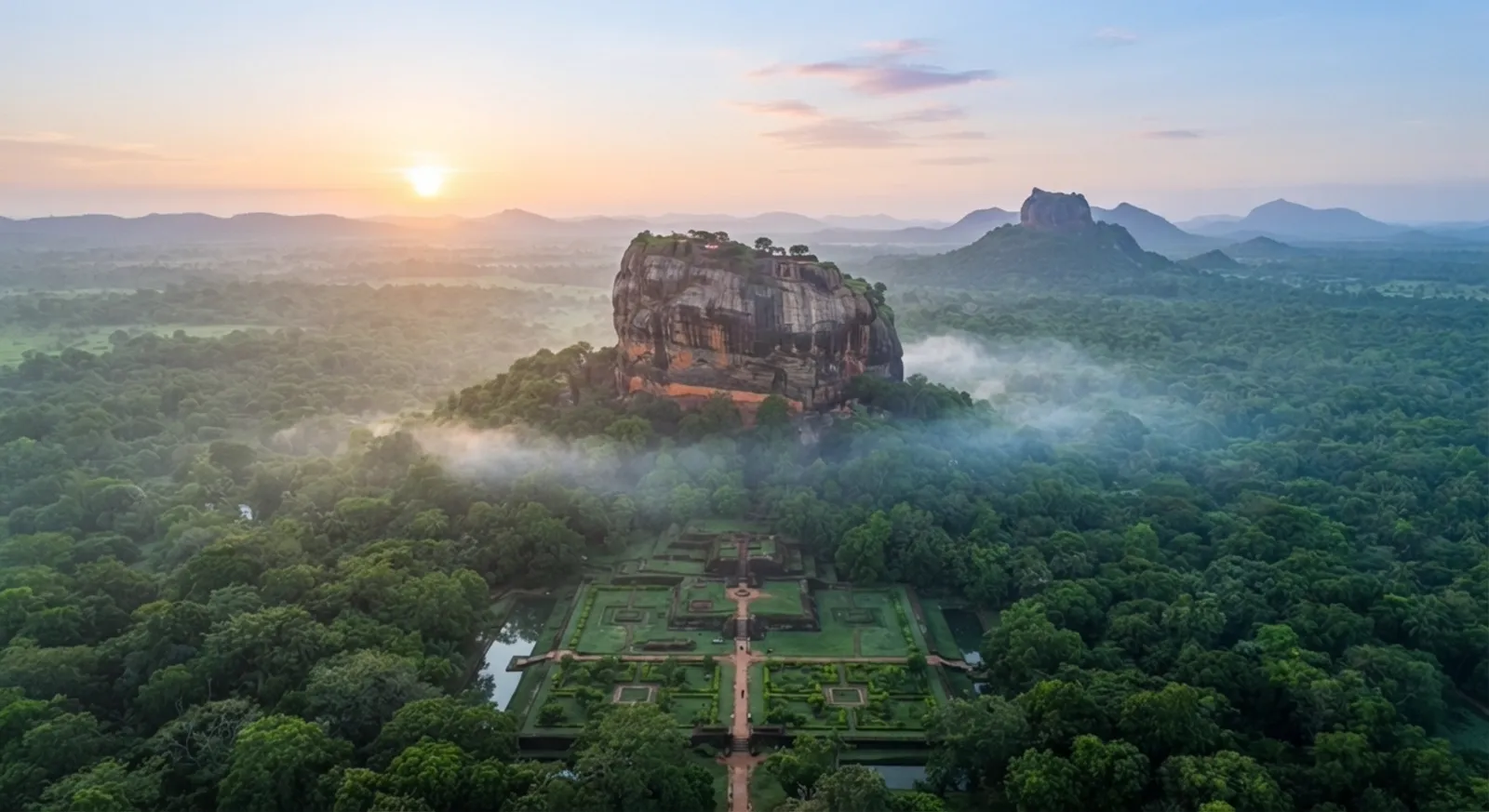
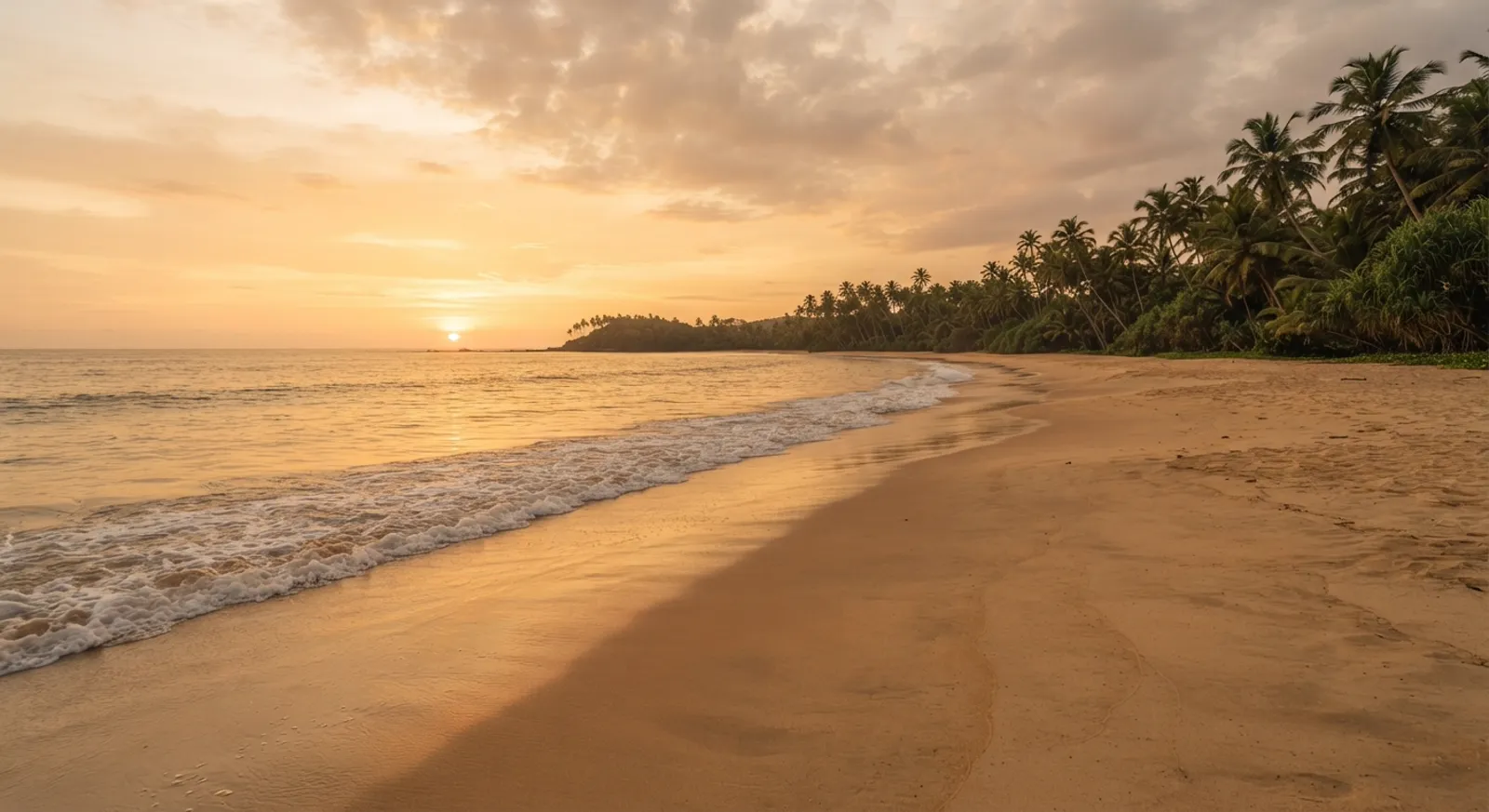
Kayaking in Sri Lanka by coast: Koggala Lake first, then Bentota, Negombo, Kalpitiya, Arugam Bay and more. Seasons, operators and real prices.
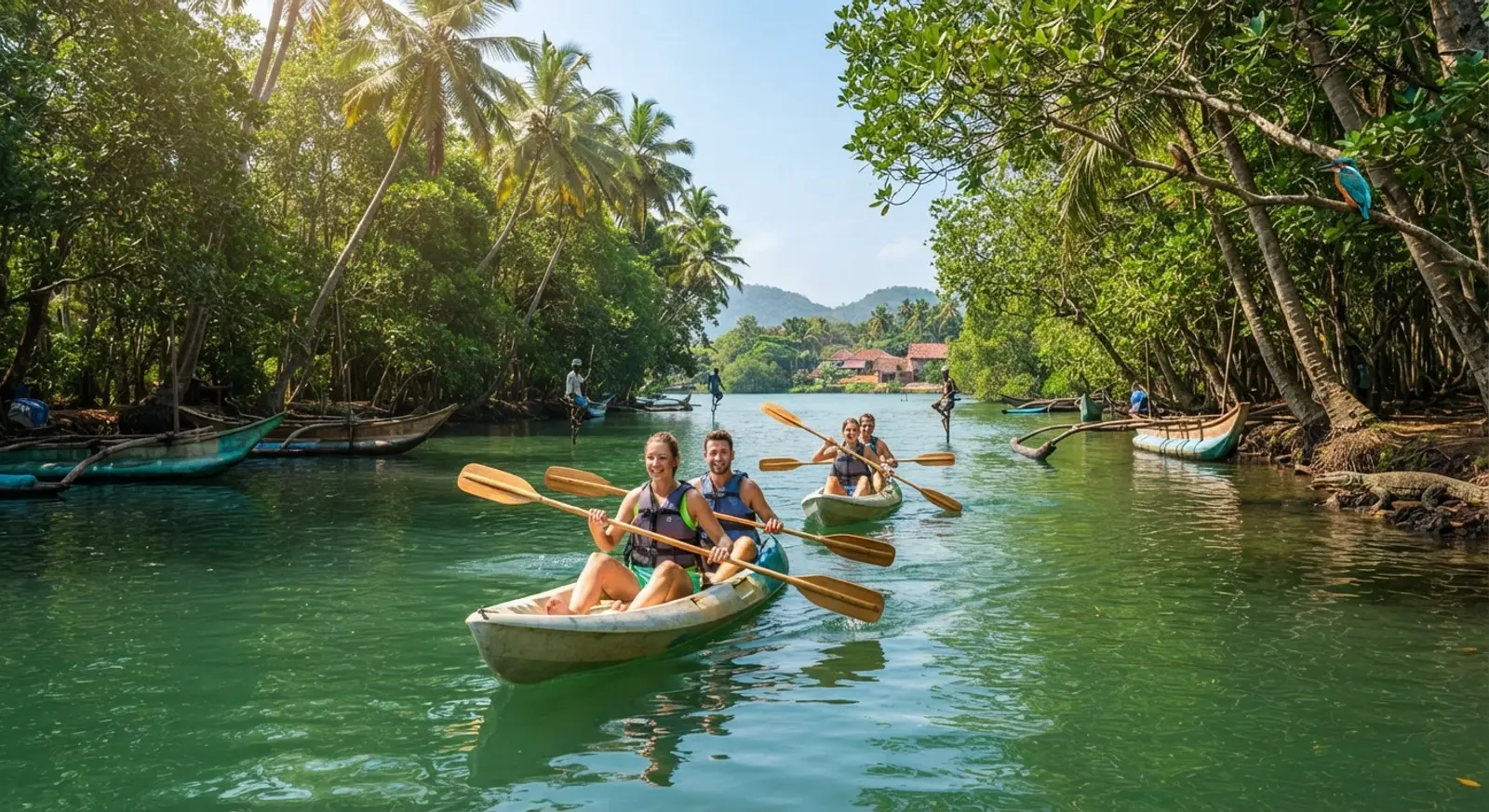
Sri Lanka's kayaking is calm-water kayaking: coastal lagoons, mangrove channels and inland lakes, not open sea. The south coast is the easiest base, led by Koggala Lake, where sunrise and sunset mangrove paddles start from €20 per person. West-coast lagoons (Bentota, Madu River, Negombo) and Kalpitiya run December to April; the east (Pottuvil lagoon near Arugam Bay, Trincomalee, Kantale tank) runs May to October. Most guided paddles cost roughly €14–40 for 1–3 hours, and prices climb when transfers, meals or private boats are bundled in.
Kayaking in Sri Lanka happens on sheltered water: coastal lagoons, mangrove channels, river estuaries and inland tanks. That makes it one of the easiest ways to see the island’s wildlife up close, even if you’ve never held a paddle. The best sessions are at the quiet ends of the day, when the air is cooler and the birds and monitor lizards are active.
The island has three main clusters: the south and west coast lagoons most visitors reach first, the northwest lagoon of Kalpitiya, and the east coast and inland tanks that open from May. The table below is the whole country at a glance, and the sections after it go zone by zone.
| Zone | Water | Best season | Typical price |
|---|---|---|---|
| Koggala Lake (south) | Large lagoon, mangroves, islands | Dec–Apr | from €20 |
| Bentota and Madu River (west) | River estuary, mangroves | Dec–Apr | ~€56–112 |
| Negombo Lagoon (west) | Large tidal lagoon | Dec–Apr | from ~€40 |
| Kalpitiya (northwest) | Mangrove lagoon | Year-round | ~€8–69 |
| Pottuvil Lagoon (Arugam Bay) | Mangrove lagoon | May–Oct | from ~€31 |
| Trincomalee and Nilaveli (east) | Open bay, sheltered shore | May–Oct | varies |
| Kantale tank (north central) | Ancient reservoir | Year-round | from ~€42 |
| Victoria Reservoir (hill country) | Mountain reservoir | Year-round | varies |
Koggala Lake is one of Sri Lanka’s largest coastal lagoons, a short drive from Ahangama, Unawatuna and Habaraduwa. It’s wide and sheltered, with quiet waterways, mangrove-lined edges and small islands. Monkeys, water monitors, kingfishers and herons are regular sightings, and crocodiles are possible. For a guided paddle at sunrise or sunset, Tortuga Kayaking is the locally run operator we’d recommend first.
Koggala is within easy reach of Unawatuna, Hikkaduwa, Weligama, Mirissa and Tangalle, which is why it works as the one south coast paddle to plan around, whichever beach town you’re based in. Book a sunrise or sunset session and fit the rest of your day around it.
Bentota has a sheltered lagoon and river, and just along the coast the Madu River estuary has dense mangroves and small islands. Sunrise mangrove kayaking on the Madu River is a popular half-day trip from Bentota, with tandem kayaks, safety gear, a local guide and light refreshments typically included. Prices vary widely by format: a shared sunrise paddle with shuttle from Bentota starts at around €56 per person (less for larger groups), while more premium or private formats can exceed €100. Madu River boat safaris without kayaking are far cheaper, so make sure you’re comparing the same thing. December to April is the reliable window.
Negombo sits right by the airport, which makes its large tidal lagoon the easiest paddle on an arrival or departure day. A guided kayak paddle of 2+ hours (sunrise, sunset or even under the stars) starts from around €40 per person and includes safety jackets, a rescue boat, an experienced guide and refreshments. You’ll share the water with painted storks, pelicans, egrets, kingfishers and water monitors, and traditional fishing outriggers. If you’d rather not paddle, Muthurajawela wetland boat tours cover the same area by motor.
Kalpitiya is Sri Lanka’s second-largest lagoon, best known for kitesurfing, but the mangrove-lined edges suit kayaking too. Local operators offer three formats: self-guided rental (around €8 per hour single, €11 double), guided paddle (rental plus a guide fee of about €8), and a boat-plus-kayak mangrove trip that takes you by boat to untouched mangrove tunnels and then paddles you through them (about €69 for two people). Kayaking runs year-round, with afternoon departures recommended. Kalpitiya is a longer trip from the usual routes, so it works best as part of a dedicated stay, and December to April is also dolphin season.
A 4km ride from Arugam Bay, the roughly 200-acre Pottuvil lagoon is ringed with mangroves and has a small island in the middle. Guided kayak tours paddle narrow channels where mugger crocodiles bask, water buffalo wade and kingfishers and sea eagles hunt. Dawn is the best time. Tours of around 3 hours with a maximum of 8 people start from about €31 per person. The east coast season is May to October, which is also when Arugam Bay’s surf is at its best, so it makes a calm counterpart to a surf trip.
Trincomalee and Nilaveli have clear water, and the main water activity is the boat trip to Pigeon Island National Park, about 1km offshore, for snorkeling. Paddling is possible along the sheltered shore in the calm May to October season, but it’s less commercialized than the lagoons, so ask your hotel or local guide to arrange it rather than expecting a set tour.
Kantale is an ancient reservoir set between mountains and open sky and far quieter than the better-known lakes. Several operators run kayak sessions here as a break on the drive between Sigiriya and Trincomalee. A 3.5-hour paddle with pickup starts from about €42, and longer combinations with a catamaran ride, island dinner or floating-restaurant lunch run from about €50 to €63. It suits travelers already crossing the island, not a trip of its own.
Victoria Reservoir, in the Knuckles region about an hour from Kandy, is one of the few places where you can paddle among mountains rather than mangroves. Kitulgala’s Kelani River is a different category: it’s the island’s rafting and adventure base, and any kayaking there is on moving water that should only be done with a qualified guide, not as a casual paddle.
Open-sea kayaking is possible on the east coast in the calm season, but it’s a specialist activity and most visitors will be happier on lagoons. If you want it, book with an operator who supplies sea kayaks, a rescue boat and a guide, and ask about conditions on the day.
Whichever zone you choose, ask these before booking:
Kayaking fits naturally into a slower south coast stay: an early paddle at Koggala, then yoga or breathwork the same morning. If you want a full week built around that rhythm, see what a real wellness retreat in Sri Lanka looks like. Browse experiences across the island to see what else can be booked around a paddle.
Choose the water and the time of day before the operator. A sheltered lagoon at sunrise or sunset, with a guide who paddles it every week, will beat a larger tour at midday on any coast. Koggala Lake is the place we'd start, and Tortuga Kayaking is the operator we'd send you to first.