Home / Locations / Mirissa

Mirissa

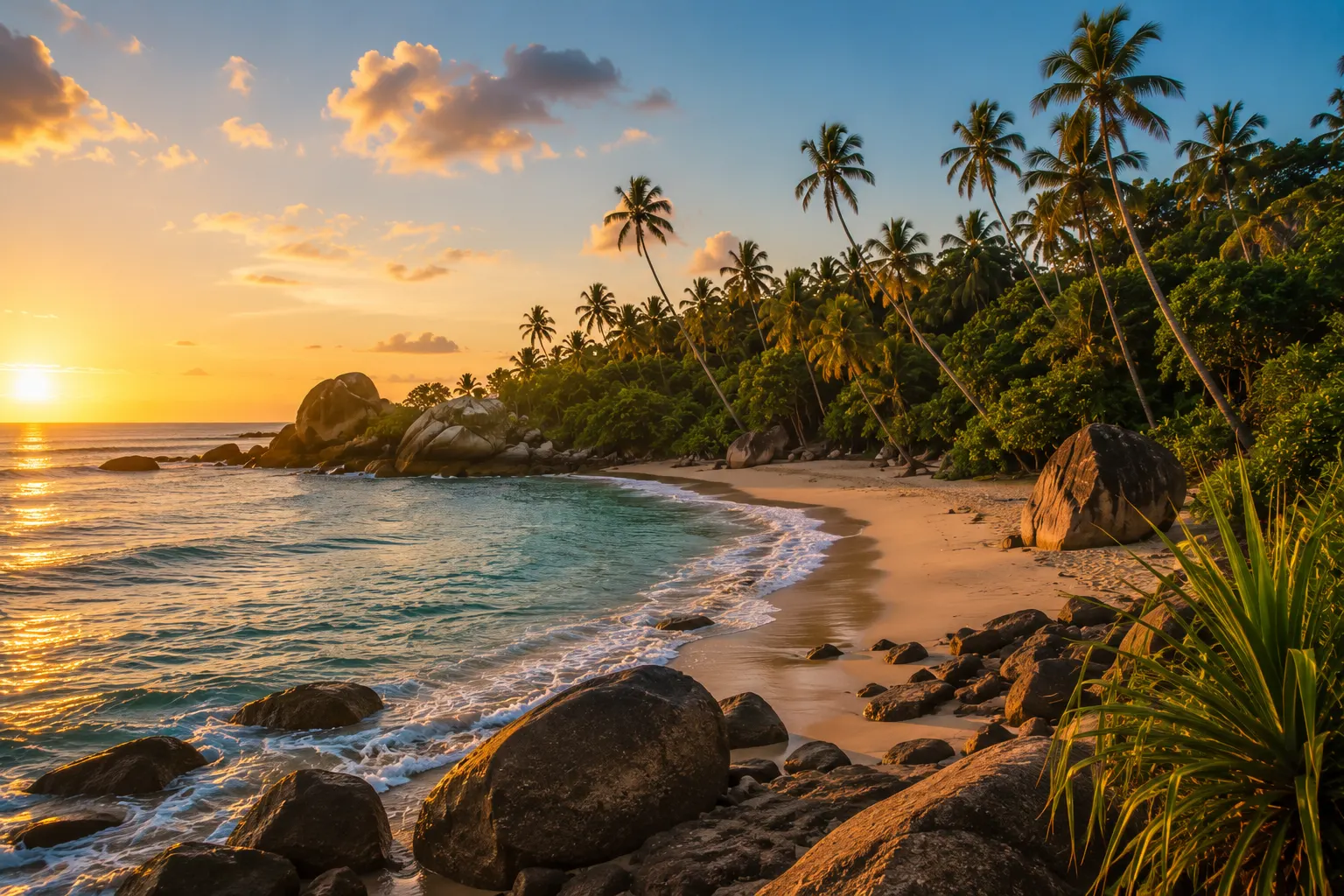
One of the most reliable places on Earth to see a blue whale, wrapped around a beginner-friendly surf beach mellower than Hikkaduwa and livelier than Tangalle.
Whale watchingSurfYogaBeach
Region
South Coast
Best season
November–April
Known for
Surf, Whale watching, Yoga
Budget
USD 20–60/night
wide range
About Mirissa

Mirissa is where a lot of people’s first trip to Sri Lanka’s south coast begins — one of the most reliable places on Earth to see a blue whale, wrapped around a crescent beach that’s mellower than Hikkaduwa and livelier than the quieter towns further along the coast. The whale-watching industry’s own overcrowding problem is the honest trade-off for that fame.

Structured or independent

Surf camps in Mirissa

A bookable program, not just a break to paddle out on your own.

Structured surf + yoga program
Surf & Yoga Mirissa
A combined surf camp and yoga studio in a garden setting on a quieter bay of Mirissa — daily mat and aerial yoga classes alongside surf coaching with video analysis, for travelers who want structure rather than piecing together lessons themselves.
Where it happens

Featured venue

Featured
Driftline Yoga & Sound
Capacity
6–18 guests
Price range
budget
Best for
Travelers who want yoga folded into a lively beach-town stay, not the centerpiece of it.
yogasound-healingsurf

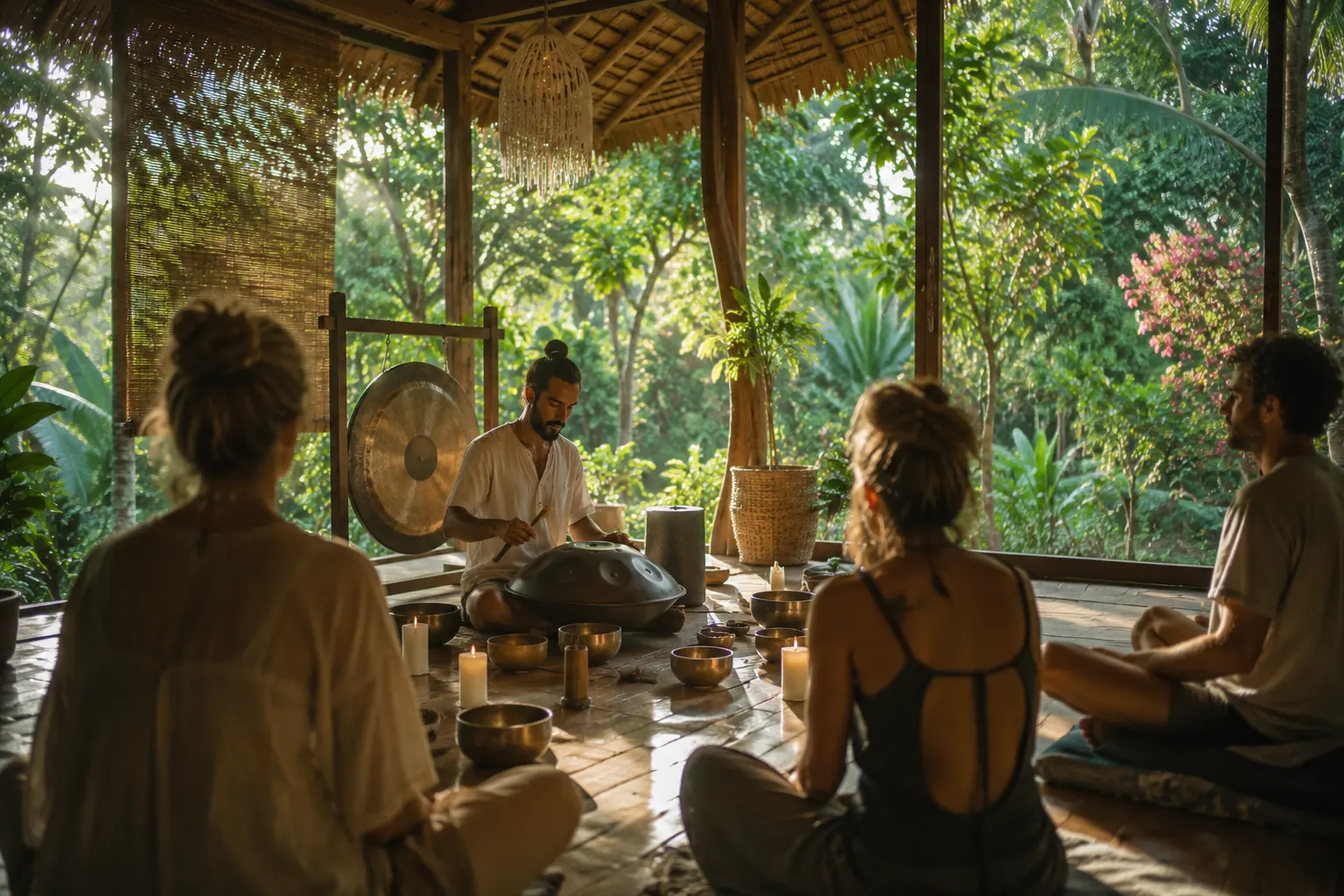
A palm-shaded beachfront deck a short walk from Mirissa's main surf break and whale-watching harbor, mixing daily drop-in yoga with a weekly sound healing evening. Casual and social, built for travelers stacking yoga onto a beach-and-surf-focused stay rather than a dedicated retreat.

View venue →
Quick gut-check

Is Mirissa actually right for you?

Right for you if
Seeing a blue whale is a real priority, and you're visiting December through April.
You want a first, easy-to-navigate south coast stop with more infrastructure than the smaller towns nearby.
You're a beginner surfer who wants a forgiving wave to pair with morning yoga.
You like a beach town with some evening life, without wanting Hikkaduwa's full intensity.
Look elsewhere if
×
You want to book any whale-watching boat without doing a little homework — the crowding/ethics issue is real, and it's worth choosing your operator deliberately.
×
You get seasick easily and haven't planned for it — the boat trips are genuinely rough for a meaningful share of passengers.
×
You want an advanced, varied surf break — Weligama and Midigama nearby offer more.
×
You want a quiet, empty beach — especially December–March, this isn't that.
Good to know before you go

About Mirissa

One of the most reliable places on Earth to see a blue whale

A deep-water canyon just offshore brings blue whales — the largest animals that have ever lived — within a few kilometers of the coast from December through April, alongside spinner dolphins, sperm whales, and occasional orcas. Peak season (January–March) sees a genuinely high sighting rate, which is a large part of why Mirissa, rather than the island's other whale-watching base at Trincomalee, is the name most associated with Sri Lankan whale watching internationally.

The overtourism problem in its own whale-watching industry

The honest complication: Mirissa's whale-watching success has created a crowding problem. Dozens of boats sometimes converge on the same whale, which stresses the animals and can push them away from feeding grounds — not every operator in the harbor follows the same standard. The responsible move is to ask directly about an operator's approach distance and engine-cutoff policy before booking, and to be skeptical of the very cheapest trips, which tend to cut corners on both boat safety and whale-watching ethics.

A crescent beach that's earned its own reputation

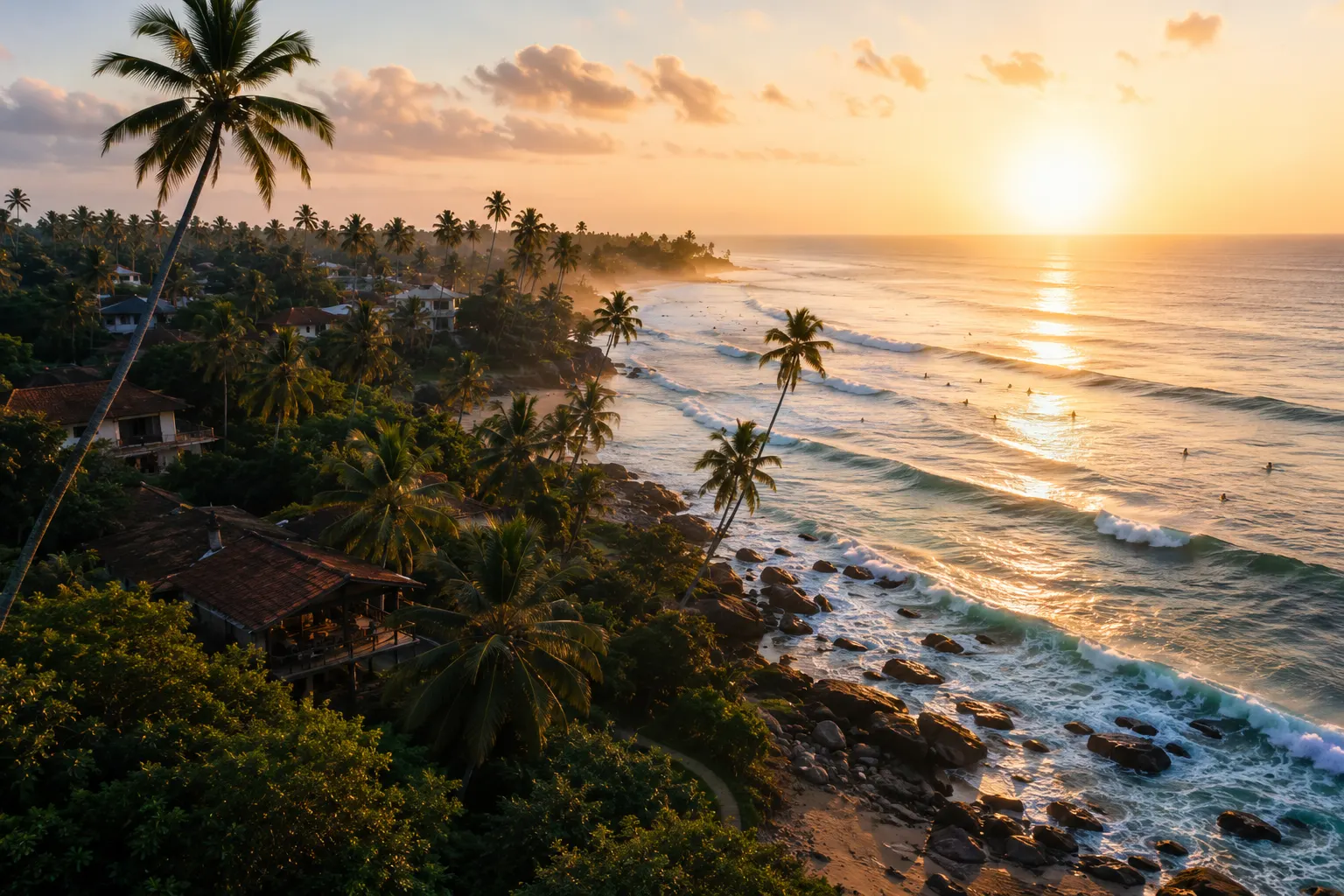
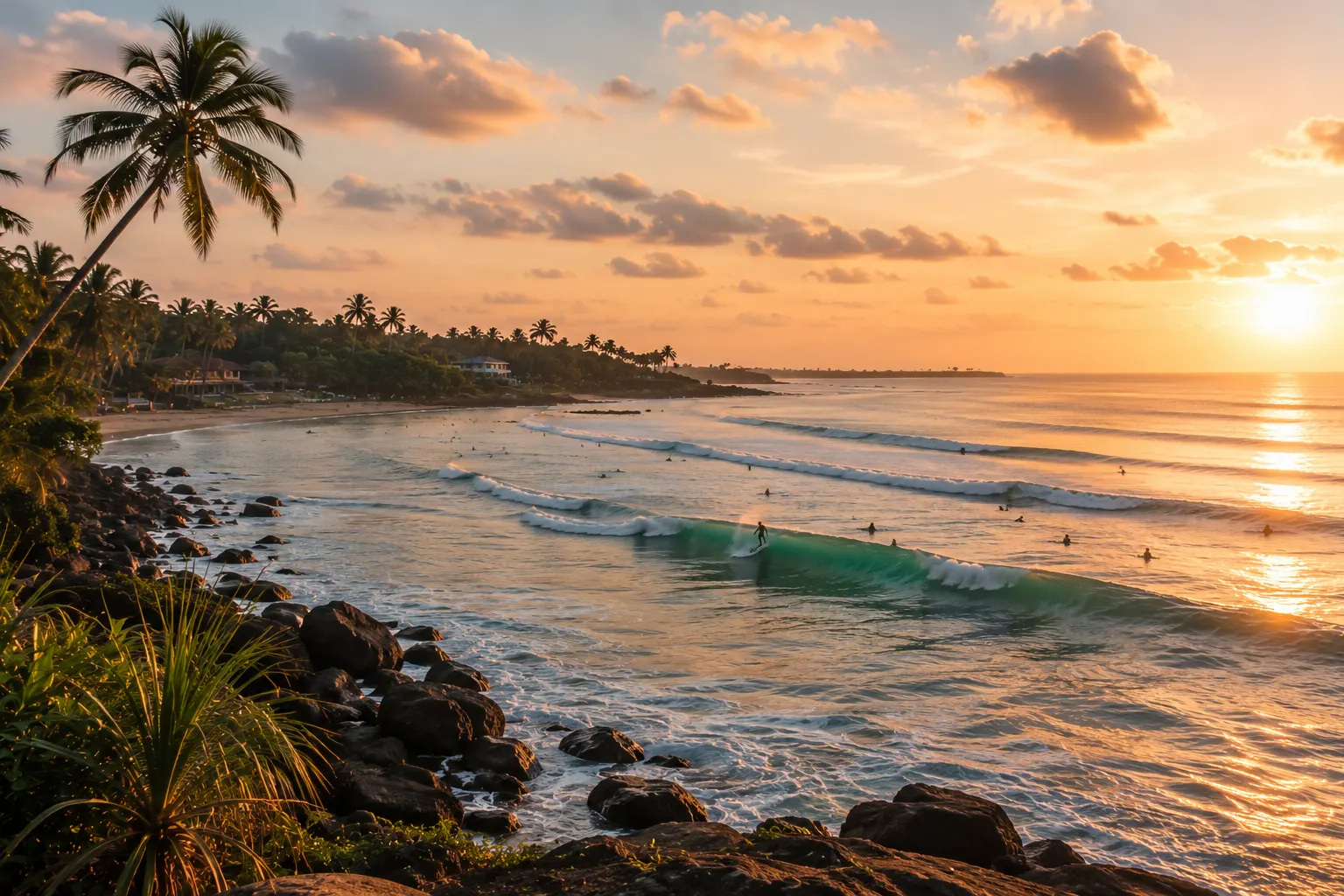
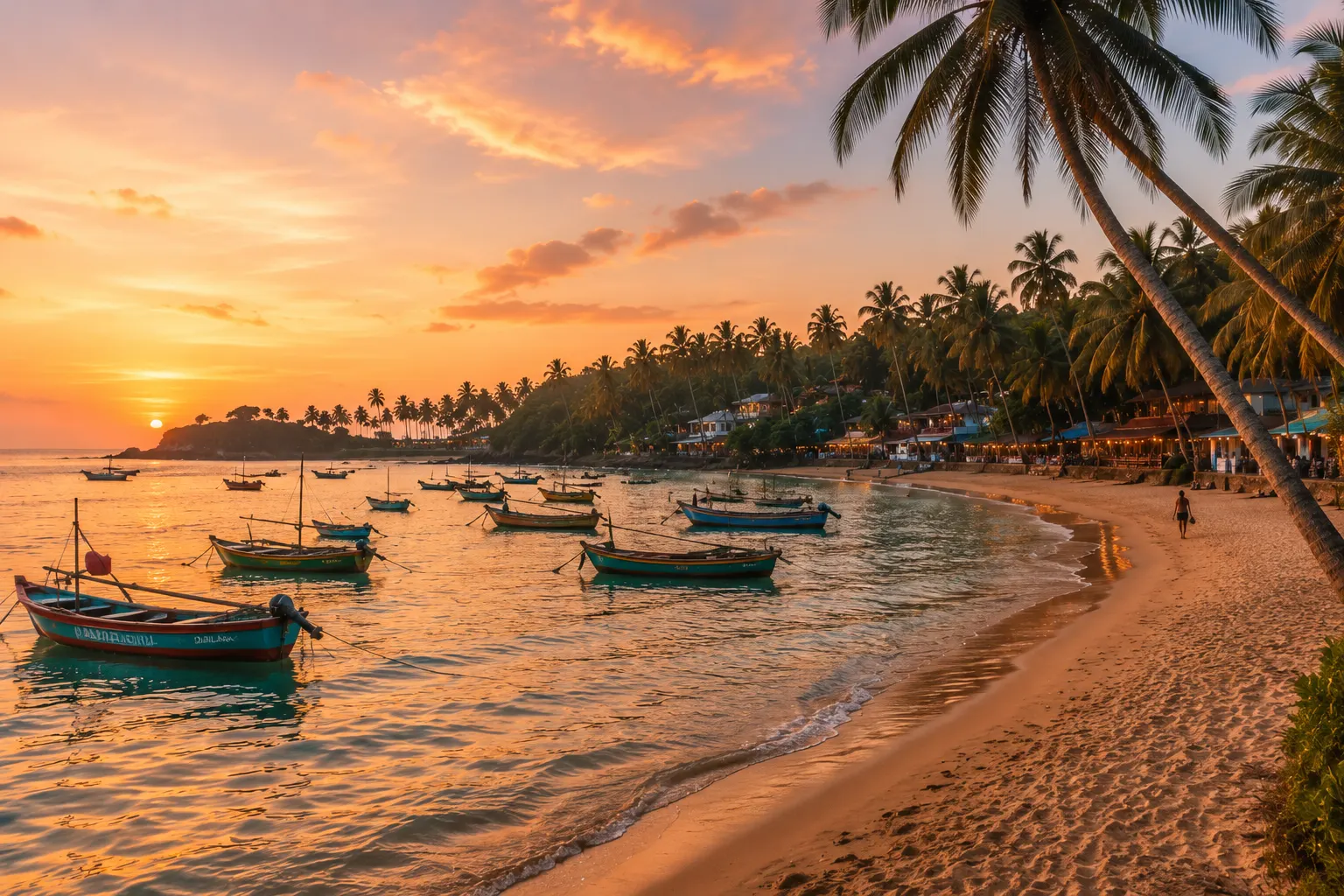
Beyond the whales, Mirissa's mile of palm-backed sand curves between two headlands, with Parrot Rock anchoring the eastern end and a quieter Secret Beach tucked just to the west. Most visitors find the general vibe mellower than Hikkaduwa's built-up strip and livelier than quieter towns like Tangalle further down the coast — a genuine middle ground that's part of why it works so well as a first stop on the south coast.

Want to go deeper

Everything else worth knowing

Surf breaks
Beginner-friendly
Main beach break
A gentle, forgiving wave that's one of the most approachable on the south coast — the natural pairing with a first-timer's morning yoga class.
Explore nearby
Parrot Rock
A small rocky island at the eastern end of Mirissa's own bay, reachable by wading at low tide — a stupa and a 180° view of the beach at the top, especially good at sunset. Check the current with locals before wading across.
walkable from the beach
Secret Beach
A small, quieter cove just west of the main beach, reached by a short walk over rocks or a path from the main road. Less photographed, more private — a good alternative when the main beach fills up.
10 min walk
Weligama
The bigger, more varied surf town next door — better if you want more than one type of wave, or a longer-running surf school scene.
10 min
Ahangama
The south coast's most retreat-focused wellness town, for anyone who wants a deeper, more structured program than Mirissa's casual drop-in scene.
~20 min
Galle Fort
A UNESCO colonial old town with the best restaurant concentration on the south coast — an easy half-day add-on.
45 min
Tangalle
Longer, emptier beaches and a quieter, more holistic-retreat-oriented scene if Mirissa's pace feels too busy.
1 hr
Tissamaharama / Yala National Park
The usual gateway town for a Yala leopard safari — a common pairing with a Mirissa whale-watching morning earlier in the trip.
1.5 hr
Food and nightlife
The French Restaurant
Set slightly inland from the beach, with a reputation for punching well above its price point — one of the more reliable proper sit-down meals in town.
Mirissa Beach Bar
One of a small cluster of beachfront bars that keep Mirissa's evenings livelier than most of the south coast's quieter towns, without approaching Hikkaduwa's intensity.
Practical info
From Colombo
2.5–3 hr via the Southern Expressway, or train to Weligama (~3.5 hr) plus a 10-minute tuk-tuk.
Best months
November–April for the beach and general swimming. Whale watching is narrower: peak blue whale season is January–March, still good in December and April, and the fleet simply doesn't run May–October.
Recommended stay
2–3 days is the realistic range — enough for a whale-watching morning, a surf lesson or two, and time on the beach without rushing.
Staying connected
Wifi is generally reliable at guesthouses; ATMs are available in Mirissa town, about 1 km inland from the beach.
Before you ask

Frequently asked questions

1 What are the actual chances of seeing a blue whale in Mirissa? +
Good, but never guaranteed — it's the open ocean. January–March, reputable operators report roughly a 70–80% sighting chance per trip; that drops to around 50–60% in the shoulder months of December and April. Outside that window (May–October) the whale-watching fleet doesn't operate at all — boats stay in harbor because the sea is too rough.
2 Are Mirissa's whale-watching boats safe and ethical? +
Most modern operators run proper fiberglass boats with life jackets, but the industry has a real overcrowding problem — dozens of boats sometimes converge on the same whale, which stresses the animals and ruins the experience for passengers. Ask an operator directly about their approach distance and engine cut-off policy before booking, and be wary of the very cheapest boats (under roughly USD 25/person), which tend to be older, less stable vessels that cut corners on both safety and whale-watching etiquette.
3 Is Mirissa good for beginner surfers? +
Yes — the main beach break is one of the most forgiving on the south coast, gentle enough to pair naturally with a first-timer's morning yoga class. A few combined surf-and-yoga camps run structured programs here if you want more than a single lesson; if you're chasing something more advanced, Weligama and Midigama nearby have more variety in wave type.
4 Is Mirissa too crowded or touristy? +
It's busy, especially December–March, and whale-watching morning traffic on the beach road can feel hectic before 7am. That said, most visitors find it noticeably mellower than Hikkaduwa's built-up strip and livelier than the quieter towns like Tangalle — a middle-ground vibe that's part of why it works well as a first south coast stop. Sea sickness on the whale boats is common enough to plan around (take tablets the night before if you're prone), and the beach itself gets a pickpocket problem in peak season, so leave valuables at your guesthouse.
5 How far is Mirissa from Weligama, Galle, and Colombo? +
Weligama is the closest, about 10 minutes east. Galle is around 45 minutes. Colombo is roughly 2.5–3 hours by the Southern Expressway. Tissamaharama, the usual gateway for Yala safaris, is about 1.5 hours further east — a common two-stop combination with a whale-watching morning here first.
6 What's the difference between visiting for the beach versus visiting for whales? +
The beach and general swimming season runs November through April, same as most of the south coast. Whale watching is narrower and more specific: it peaks January–March, is still worthwhile in December and April, and simply doesn't happen May–October. If seeing a blue whale is the actual point of your trip, book within that January–March window rather than assuming the general "south coast season" covers it.
Keep exploring

Continue your journey

Not sure Mirissa is right?
Find your perfect base on the island.
Take the 5-question quiz →
Ready to experience Mirissa?
See what's actually bookable here.
Explore retreats →