Home / Guides / Kirtan in Sri Lanka

Kirtan in Sri Lanka

Call-and-response chanting with harmonium and drums — where kirtan nights run on Sri Lanka's south coast, why it's seasonal, and how to find one.

Kirtan gatherings in Sri Lanka

A one-off kirtan gathering, usually a couple of hours, layered onto a venue's regular schedule — the right pick if you're already on the island and want a taste of it without a bigger commitment.

More sessions added as venues confirm dates. Run one? List it here.

Strongest scene
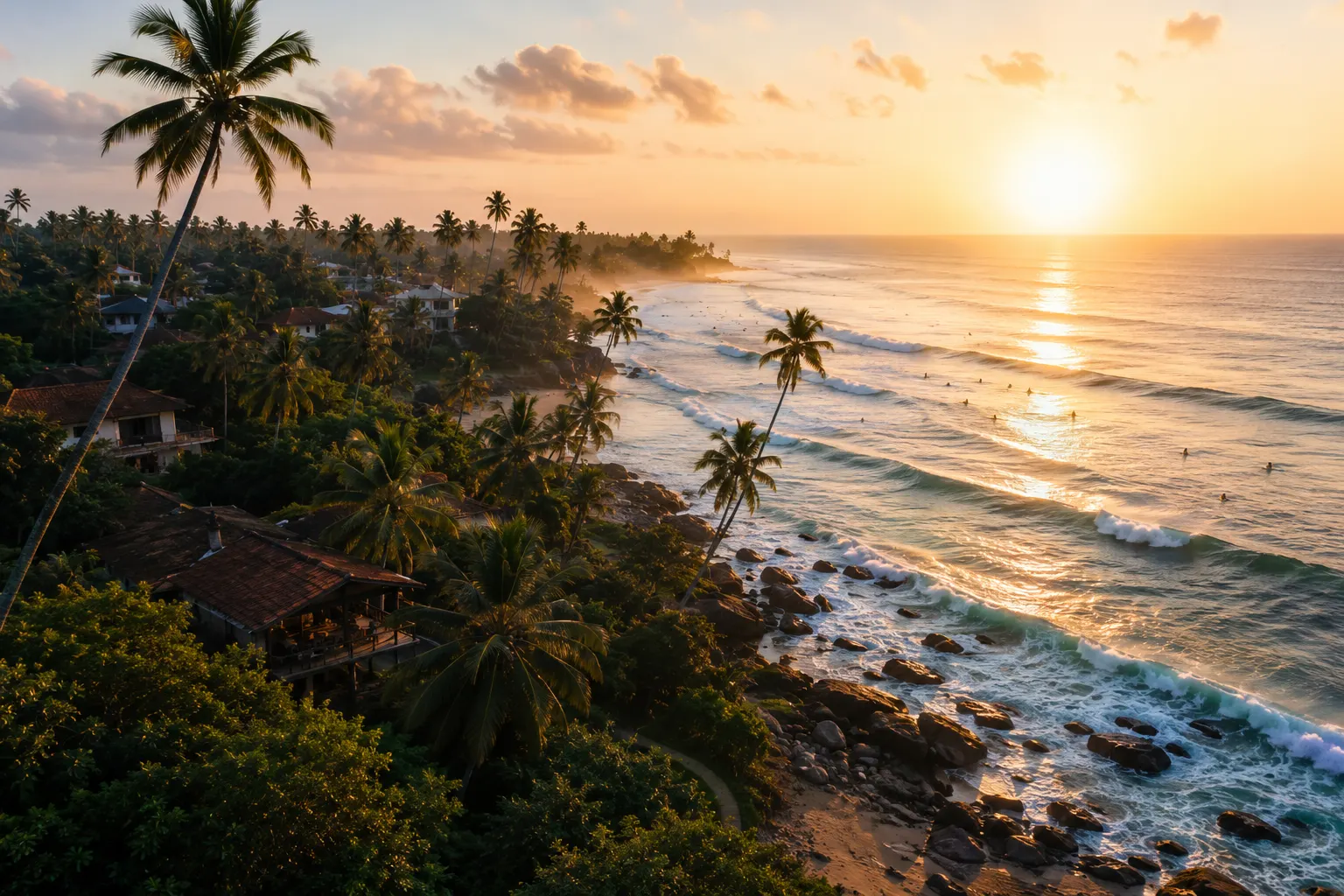
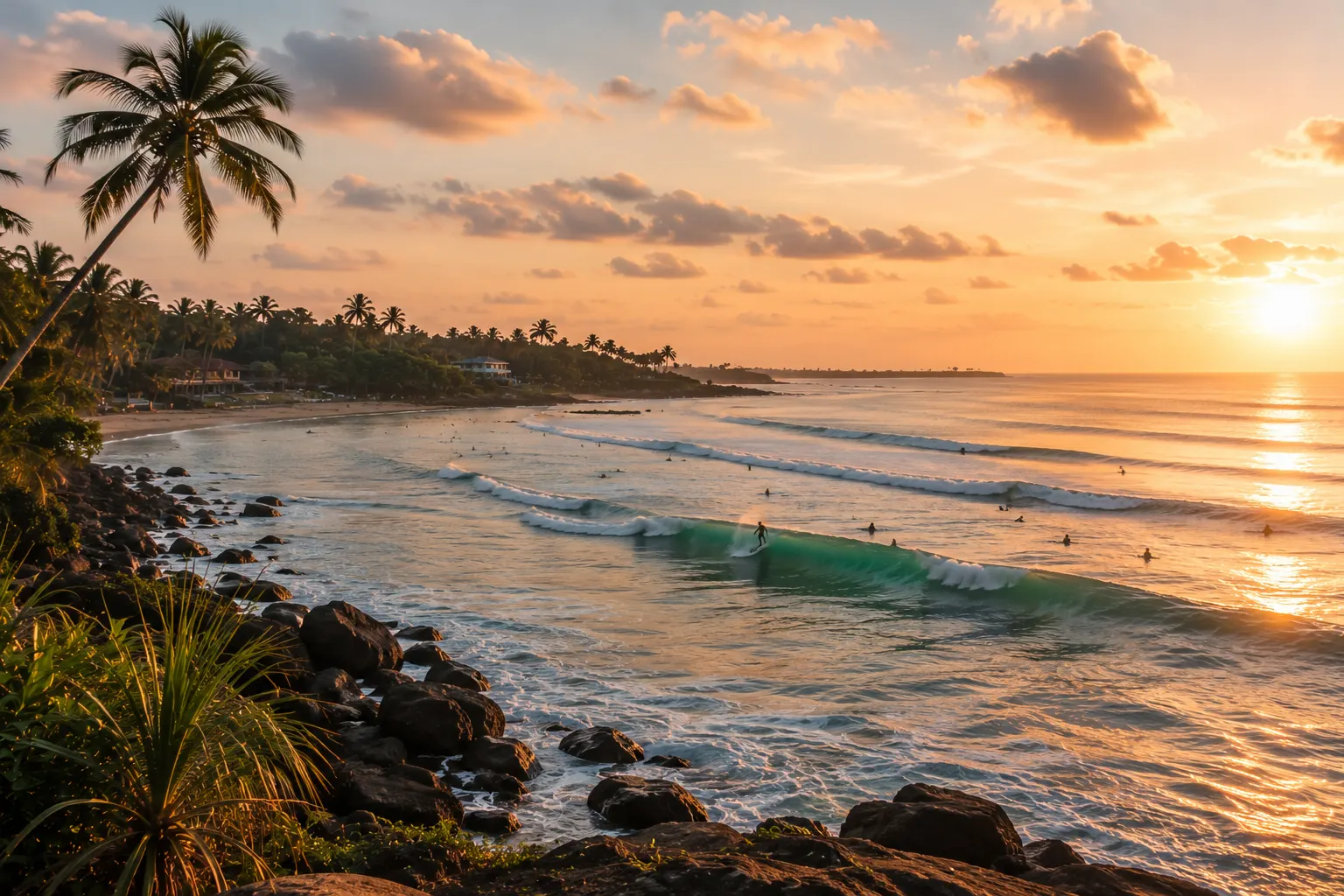
South coast: Ahangama & Midigama, in season
When to find it
November–April, tied to the retreat and training season
Session length
20 – 40 minutes, building in tempo

Price by product type

Computed from what's actually listed above — not a fixed estimate, so this updates as real venues confirm dates and prices.

Single gathering€10

Styles you'll actually find here

Beach bonfire kirtan
The most common way kirtan actually shows up here — a scheduled evening element inside a broader yoga retreat rather than its own standalone event.
Weekly satsang night
A shala hosting an open kirtan session on a regular weekly slot, in season — the closest thing to a standalone drop-in kirtan session, though still less common than finding one bundled into a retreat.
Kirtan inside a yoga teacher training curriculum
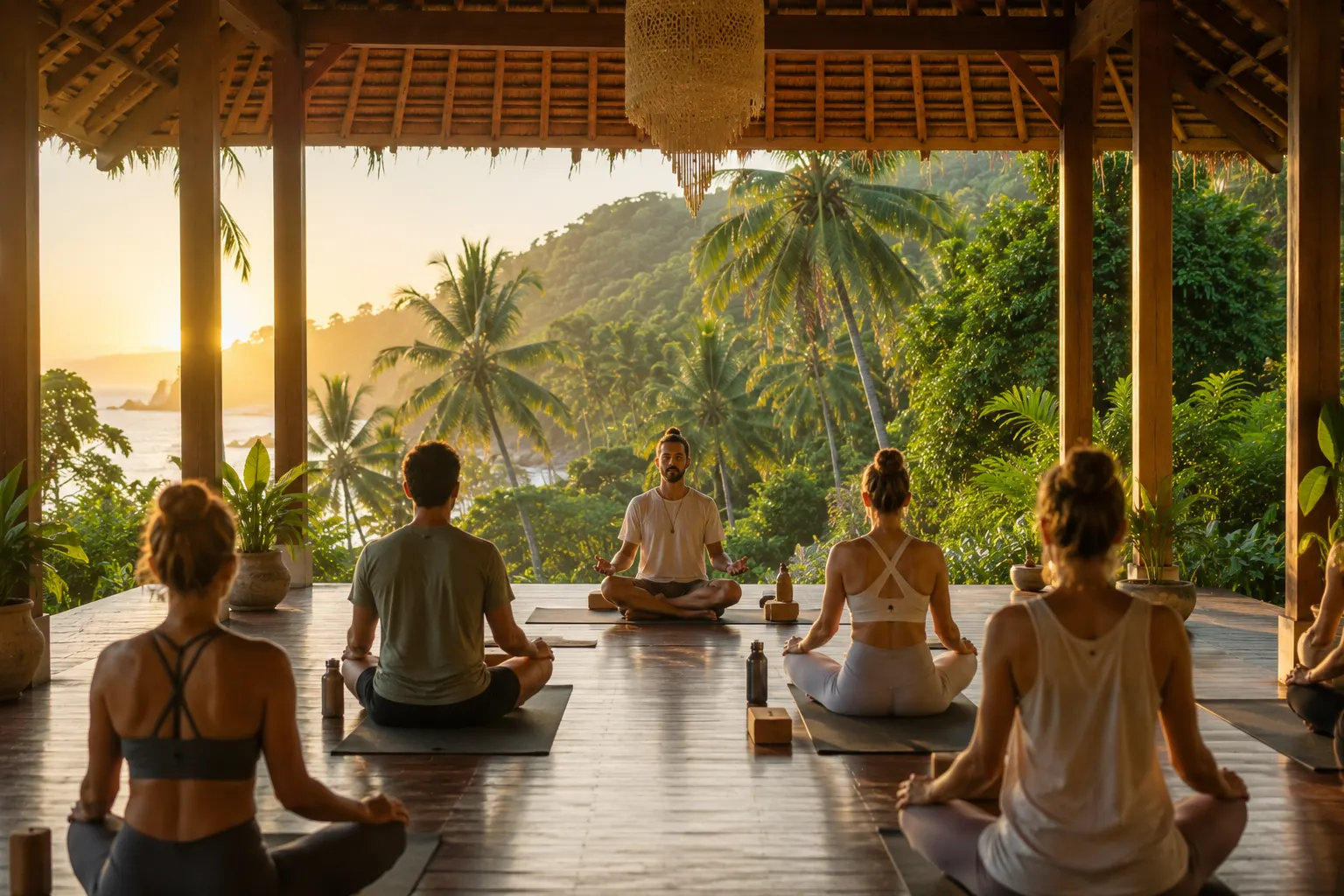
A scheduled evening with a visiting musician, part of the broader curriculum rather than an optional extra — common at 200-hour programs.
Bhakti yoga + kirtan combo retreat
A dedicated retreat built specifically around devotional chanting and bhakti yoga practice — a real but rare format, more often found through international retreat aggregators than as a standalone Sri Lankan retreat center's core offering.

Where to do kirtan in Sri Lanka

The practice only gets you halfway — here's where on the island kirtan is actually concentrated, so you can pick a place before you pick a listing.

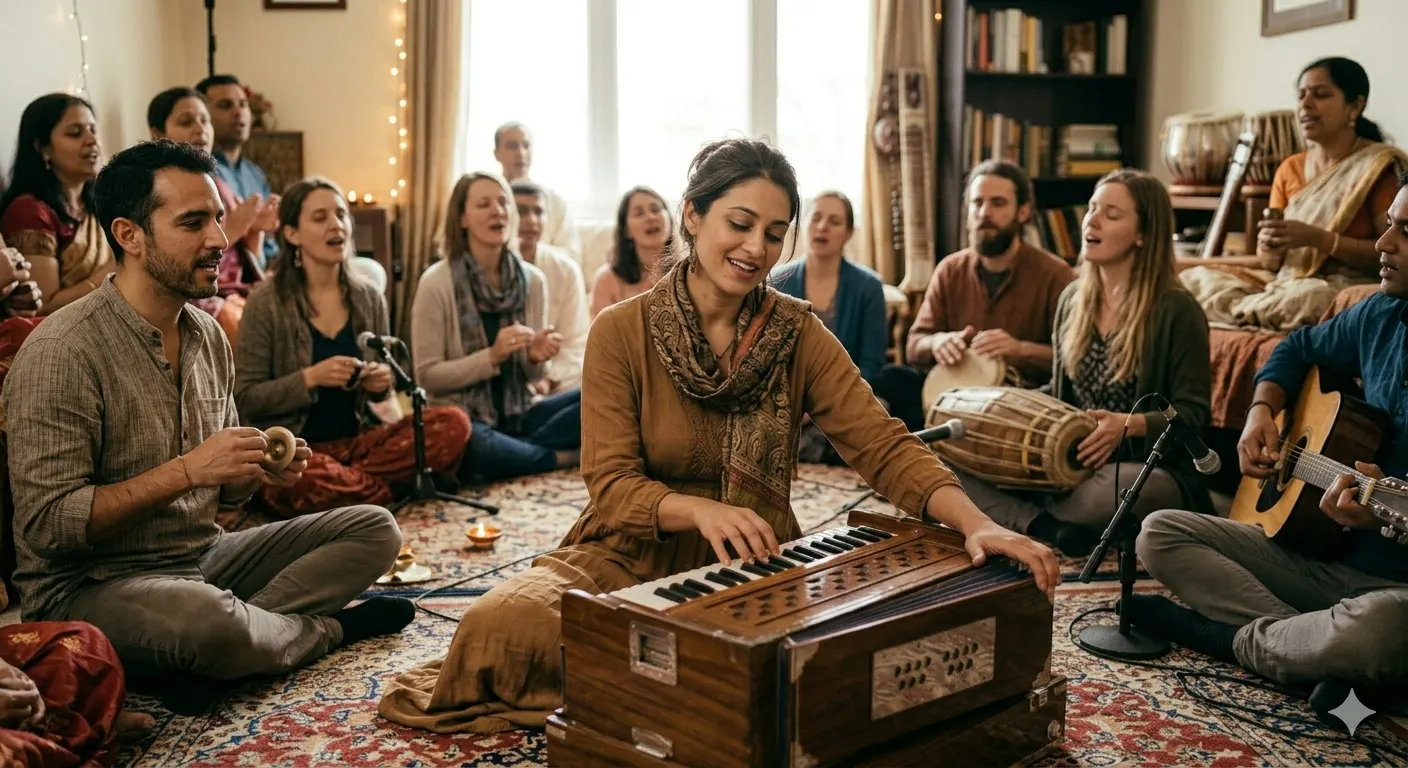
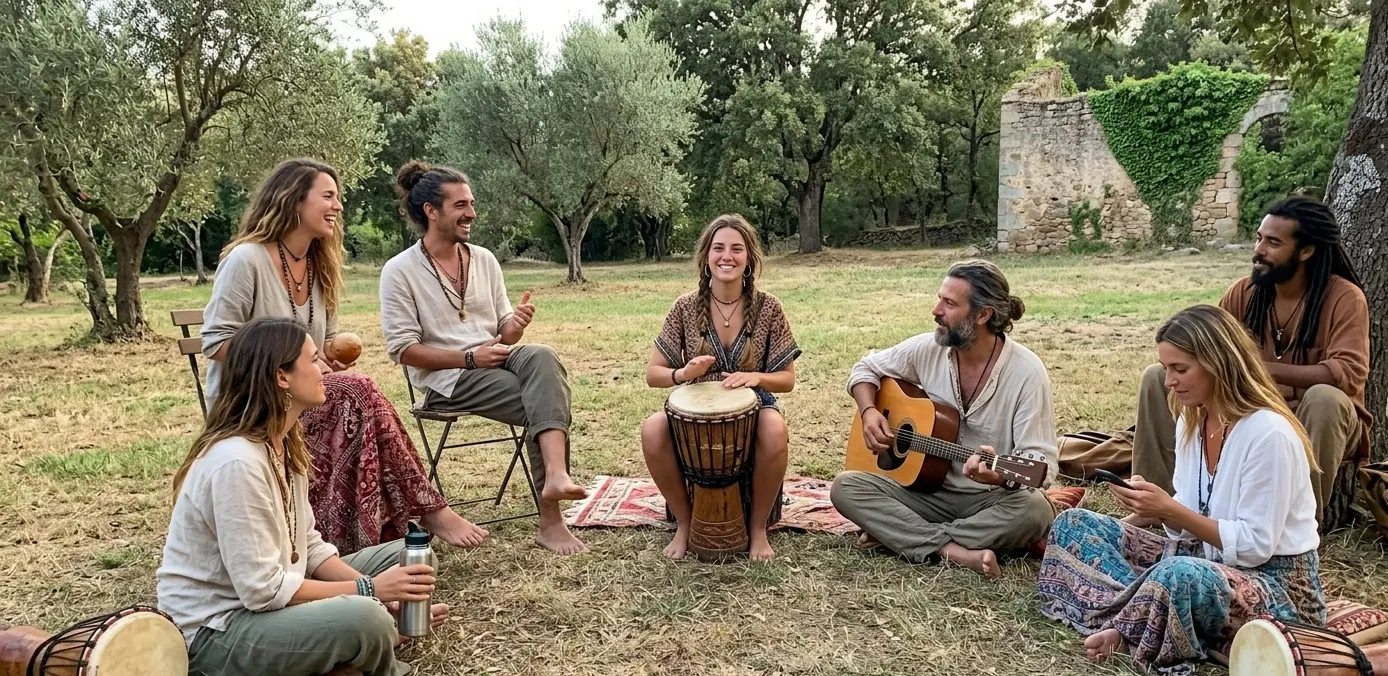
Kirtan — call-and-response devotional chanting, usually with harmonium, drums, and a room repeating a mantra back to a lead singer — has real, if seasonal, presence on Sri Lanka’s south coast. It shows up as a beach bonfire session at yoga retreats, a weekly satsang at a shala, or a scheduled evening inside a yoga teacher training curriculum, rather than a year-round daily offering. In season (roughly November–April, when most retreats and trainings run), it’s genuinely easy to find one; outside that window, it’s considerably harder.

We’re not one of these shalas or retreat venues ourselves — lankaspirit is where every real kirtan session we’ve verified across the south coast gets organized into a single place, framed as the seasonal, retreat-adjacent thing it actually is rather than oversold as a year-round standalone scene.

Where this actually shows up

Most kirtan on the island isn’t a standalone drop-in class — it’s a beach bonfire session woven into a broader yoga retreat’s evening schedule, a weekly satsang night at a shala, or a session built into a yoga teacher training curriculum with a visiting musician leading it. A dedicated bhakti yoga and kirtan retreat — where chanting is the main focus rather than an evening element — exists too, but it’s a genuinely rare format here, more commonly found through international retreat platforms than as a Sri Lankan center’s core offering. Availability tracks the main retreat season closely, so outside November–April, standalone sessions are much harder to find.

What a session actually involves

A lead singer (often with harmonium and hand drums) introduces a call, the group repeats it back, and the chant builds in tempo and volume over 20–40 minutes before winding back down — closer in feel to a group meditation set to music than a concert. No singing ability or prior experience is expected.

Where this shows up on the south coast

How to actually find a kirtan night

Because it’s woven into retreat and training schedules rather than run as its own standalone business, the most reliable way to find one is to check directly with a specific shala or retreat venue’s own calendar for the week you’ll be there, rather than expecting a fixed weekly listing the way you might for a yoga class. If you’re not already booked into a retreat or training, a weekly satsang night — where a shala runs one — is your best standalone option, and it’s worth confirming it’s actually running the week you’re in town, since even “weekly” sessions can pause between visiting musicians.

Not sure if this is the right fit?

Kirtan is participatory group chanting, not a performance to watch — you’re expected to sing along, however roughly. If you want something more passive, our sound healing guide is the better starting point. Take our 5-question quiz and we’ll match you to what actually fits.

Ready to find a session? Take the quiz or browse venues directly.

FAQ

1 Do I need to know the words or the tradition to join a kirtan session? +
No — chants are call-and-response, so you repeat what the lead singer sings. No Sanskrit or prior devotional background required.
2 Is kirtan religious? Do I need to believe in anything? +
It has roots in Hindu bhakti (devotional) tradition, but most sessions on the south coast are framed as an open group practice rather than a religious service — you're welcome whether or not you engage with the spiritual framing.
3 Can I find a kirtan session outside of a retreat or teacher training? +
Occasionally — some shalas run a weekly open kirtan or satsang night in season, but it's much less common than finding one bundled into a retreat or teacher training's schedule. Outside November–April, when most retreats and trainings pause, standalone sessions are considerably harder to find.
4 How much does a kirtan session cost in Sri Lanka? +
Priced like a single wellness session where it's bookable standalone — shown in the pricing table above from what's actually listed. Where it's bundled into a retreat or teacher training's schedule instead, it's included in that program's price rather than sold separately.
5 What instruments are actually used in a Sri Lanka kirtan session? +
Harmonium and hand drums (often a mridanga or similar) are the standard combination, led by one singer the group repeats back to — closer to a live acoustic set than a recorded backing track.
6 Is there such a thing as a dedicated kirtan retreat in Sri Lanka, not just a session at a yoga retreat? +
It exists but it's genuinely rare — most kirtan here is an element inside a broader yoga retreat's schedule rather than the retreat's main focus. A dedicated bhakti yoga and kirtan retreat is more commonly found through international retreat platforms than as a Sri Lankan center's core, year-round offering.
7 What's the difference between kirtan and ecstatic dance in Sri Lanka? +
Kirtan is seated (or standing but stationary) call-and-response singing, led by a musician you follow vocally. Ecstatic dance is free-form movement to a DJ-led set with no vocal participation expected — a physical release rather than a vocal one. Both show up in similar south-coast venues and seasons, but they're different practices; see the ecstatic dance guide for that side of it.
8 What's the best time of year to find a kirtan night in Sri Lanka? +
November through April, the same window that governs the wider retreat and teacher-training calendar — most kirtan nights are scheduled around that season's yoga retreats and trainings rather than running independently of it.

Not sure this is the right fit?

Take our 5-question quiz and we'll match you honestly, not just push you toward the nearest listing.

Take the quiz