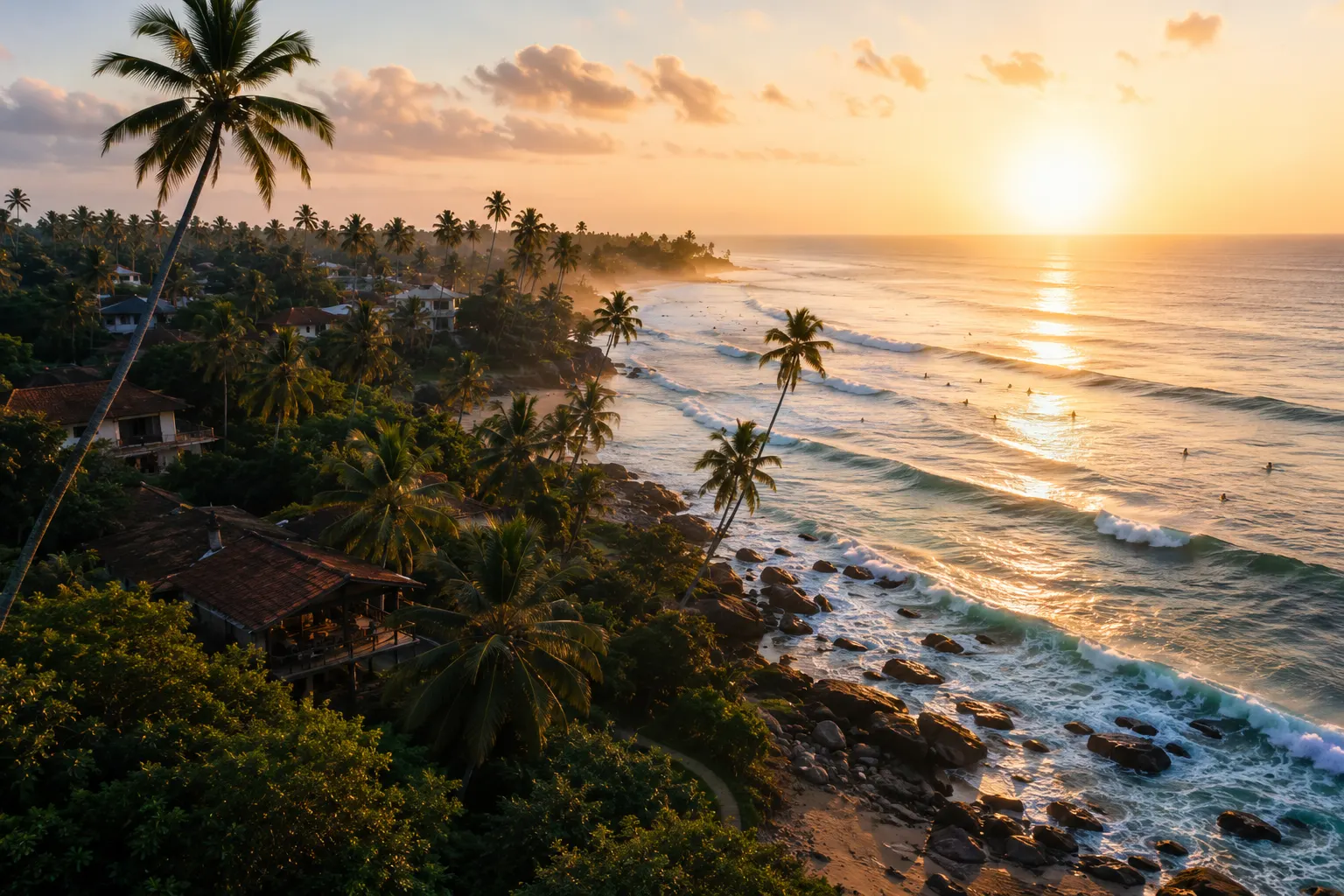
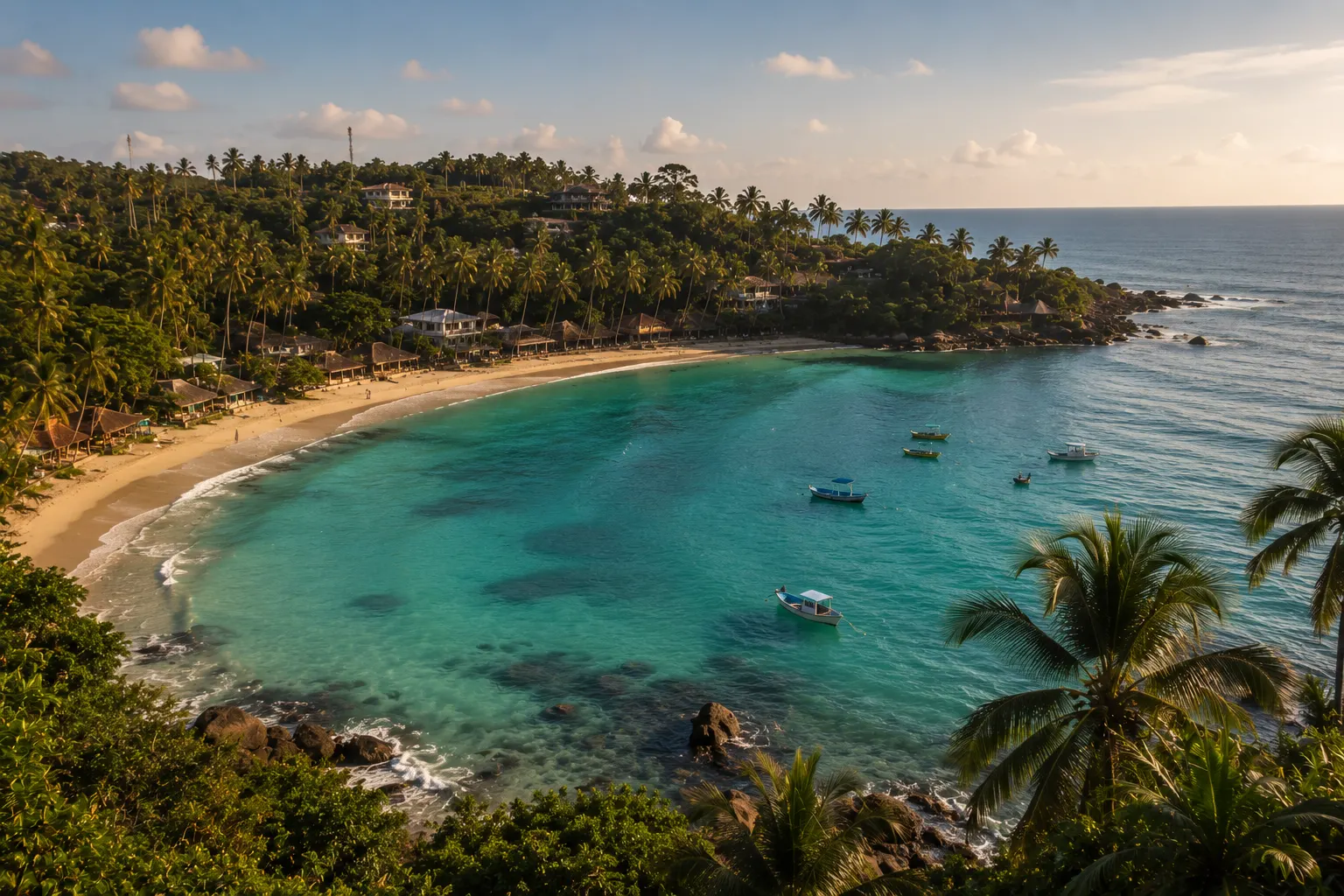
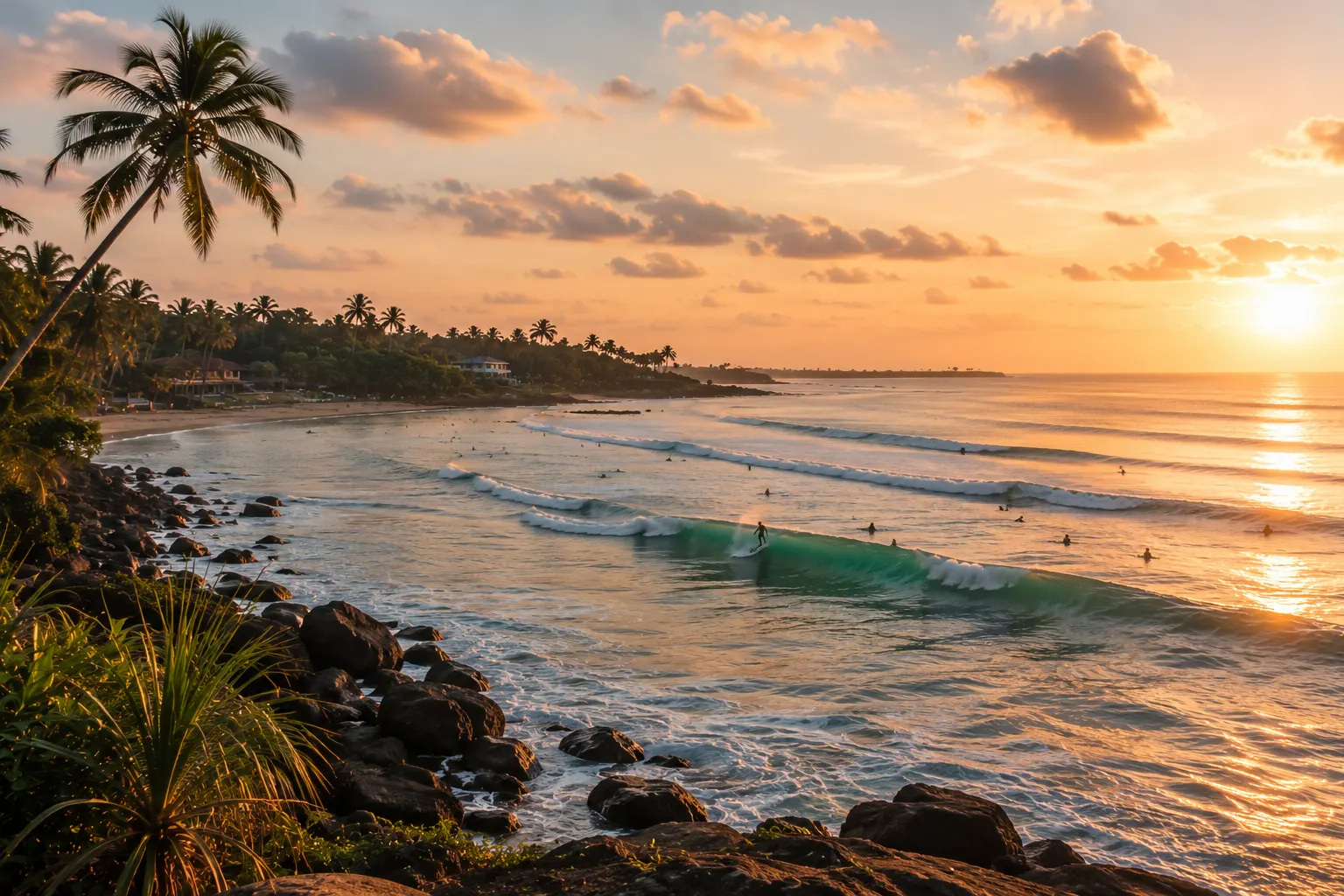
"Sandy village" in Sinhala, and the name is apt — the widest, most forgiving beginner surf bay on the south coast, with a working harbour that keeps it from feeling like a stage set.
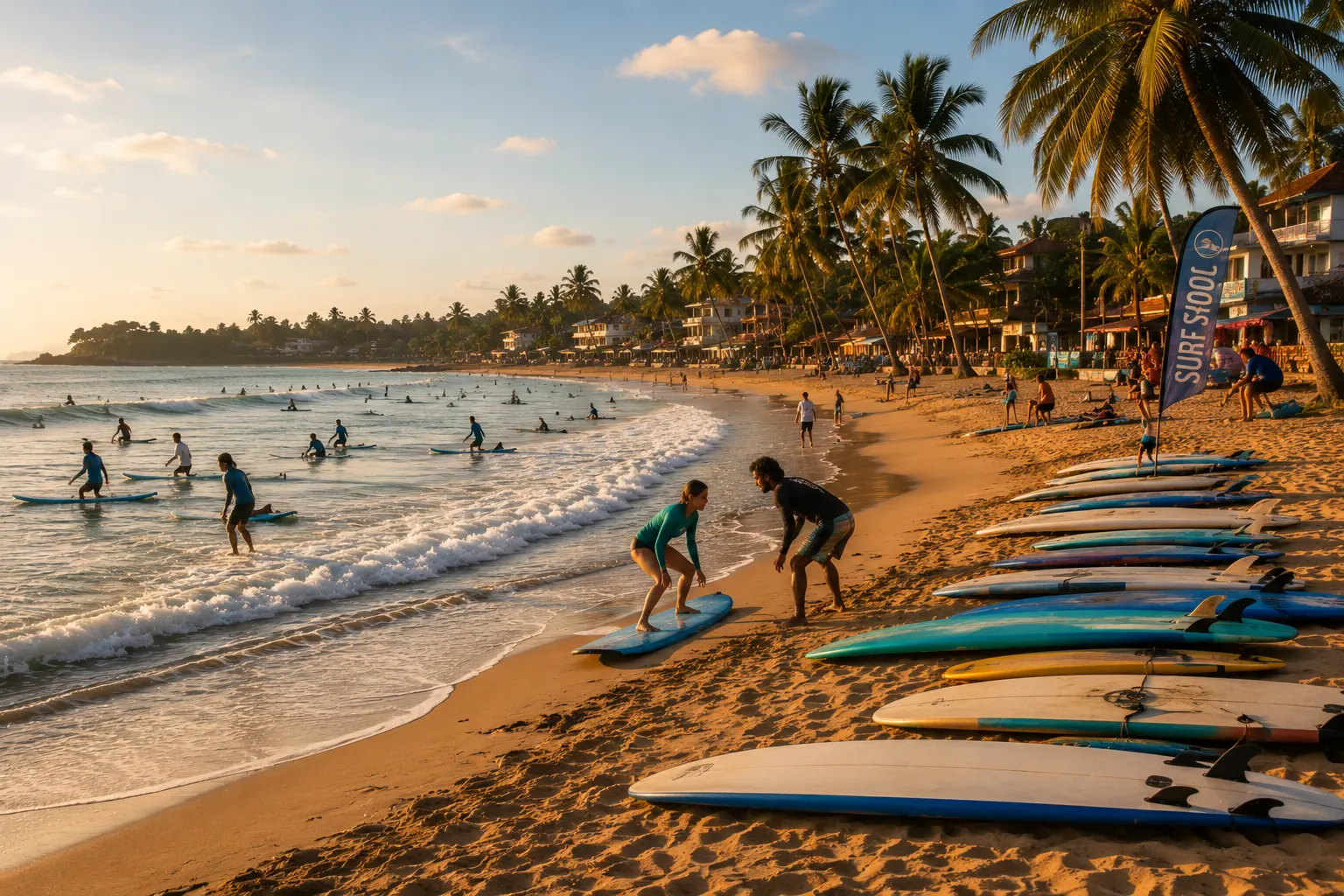
Weligama is Sri Lanka’s best beginner surf town — a wide, sand-bottomed bay backed by a working harbour rather than a postcard beach, with the highest concentration of surf schools on the island. If Ahangama is where the south coast’s yoga and breathwork scene concentrated, Weligama is where its beginner surf scene did.
One-off sessions layered onto the local rhythm — no retreat commitment required.
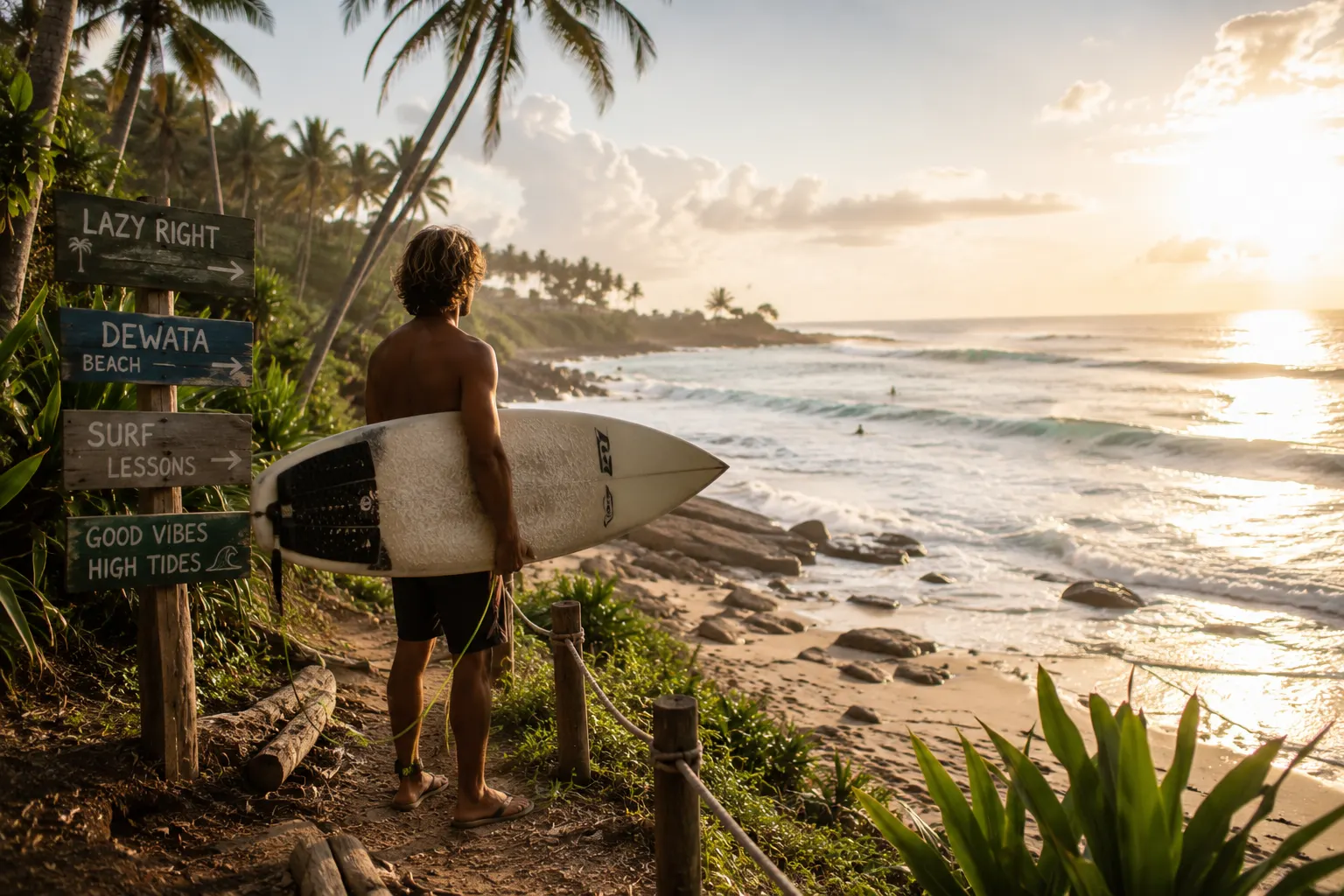
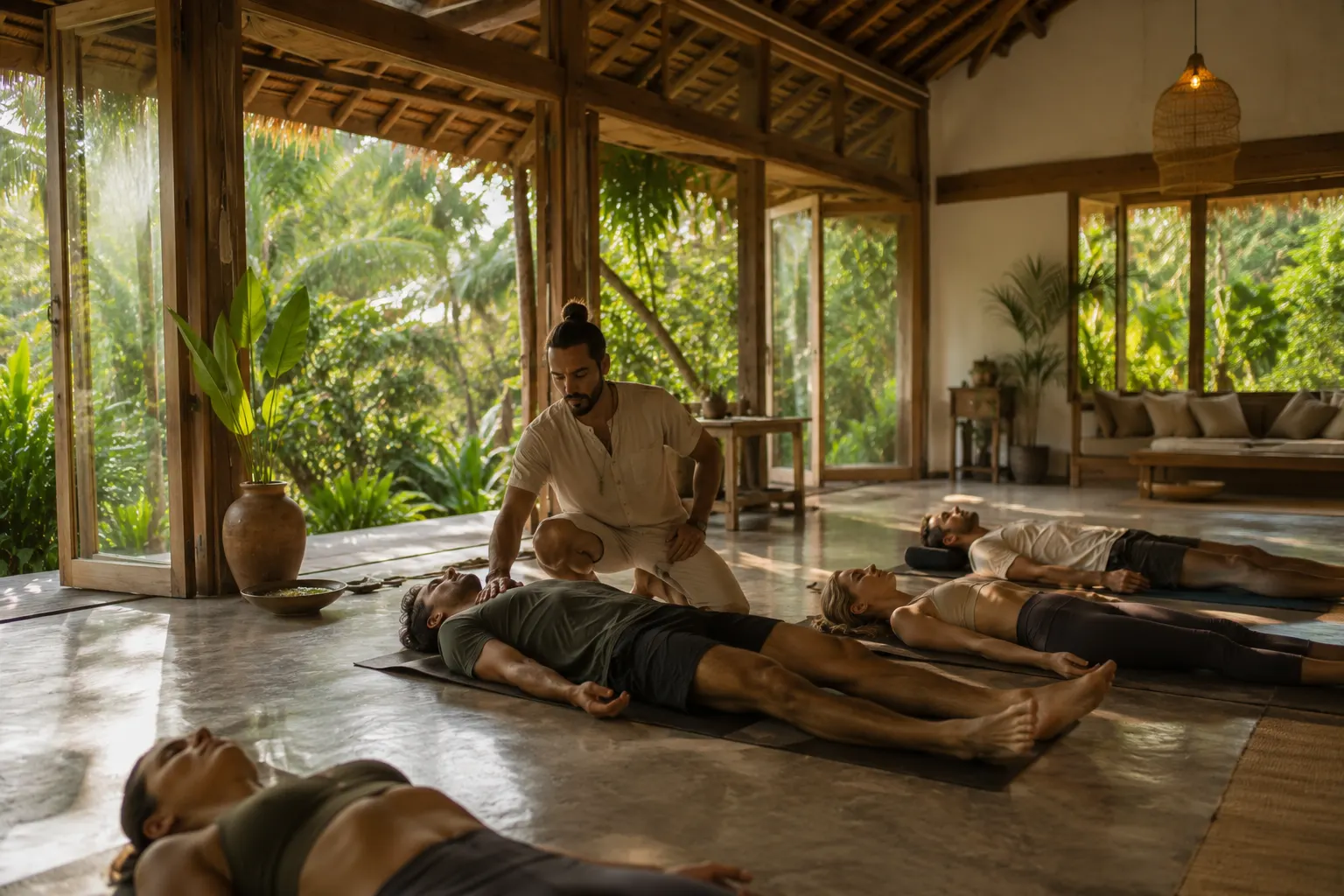
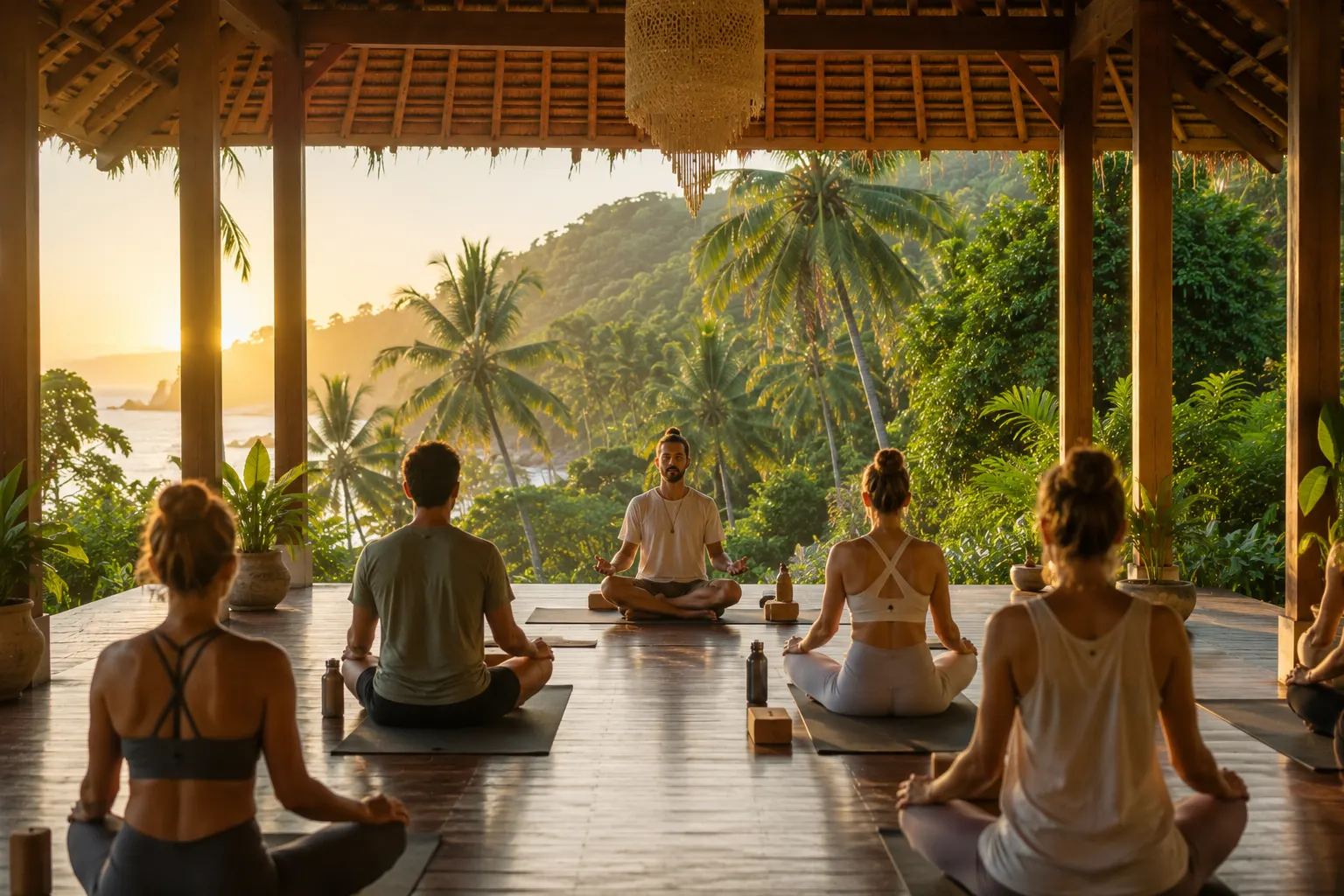
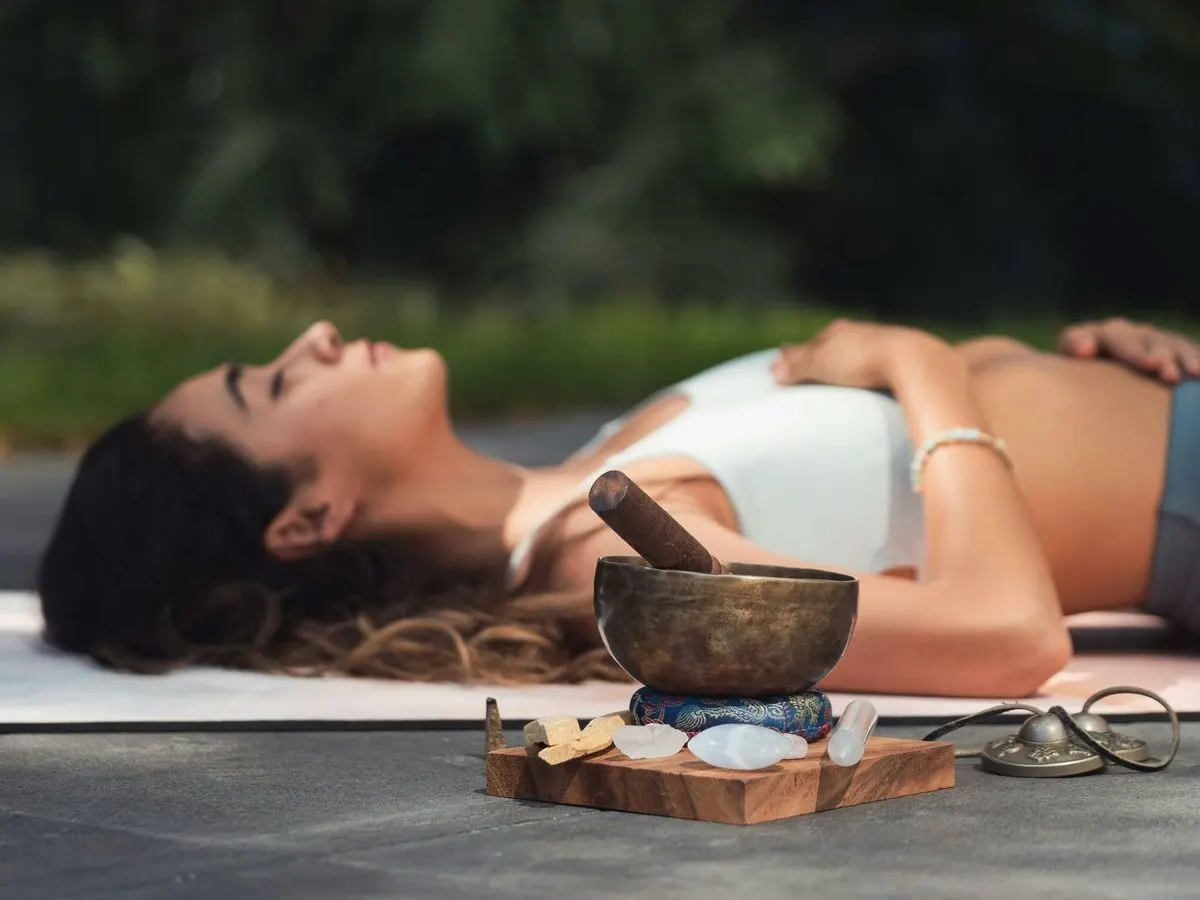
A dedicated surf camp on Weligama Bay, built around daily lessons and a full board quiver rather than a studio or shala with surf as an afterthought. Runs its own week-long camps for beginners and improvers, with yoga offered most evenings as recovery, not the main event.
View venue →"Weligama" translates loosely to "sandy village" in Sinhala, and that soft, sand-bottomed bay is the defining feature of the place — the most forgiving beginner surf break on the south coast, and home to the highest concentration of surf schools on the island. That beginner-friendly water pairs naturally with yoga: a first-timer surf lesson followed by a gentle stretch session is a far easier combination than layering yoga onto the more demanding reef breaks in Midigama or Ahangama.
Weligama has no colonial heritage to photograph, no fortress walls, no UNESCO cachet — just a working harbour, an early-morning fish market, and a beach lined with surf schools. It's more functional than beautiful next to Mirissa or Hiriketiya, and the main road runs close enough to the sand to add some traffic noise. What's grown up around that unpretentious base, though, is a genuine cluster of surf hostels, healthy cafés, and yoga studios — the hub of Sri Lanka's slow-travel surf scene, not its most photogenic stop.
Weligama is one of the places most associated with Sri Lanka's traditional stilt fishermen, but most of what you'll see posing on poles right around town now is a paid cultural demonstration for tourist photos rather than actual fishing. Some genuine dawn fishing still happens, concentrated closer to Ahangama, 8 km east — worth knowing which one you're looking at before you decide it's not worth photographing either way. Alongside the surf, a modest digital nomad and coworking culture has taken root here too, enough that pairing remote work with daily lessons is genuinely workable.