March is the last reliably dry month before April's monsoon transition — and tea country is at its greenest. What to know before the season turns.
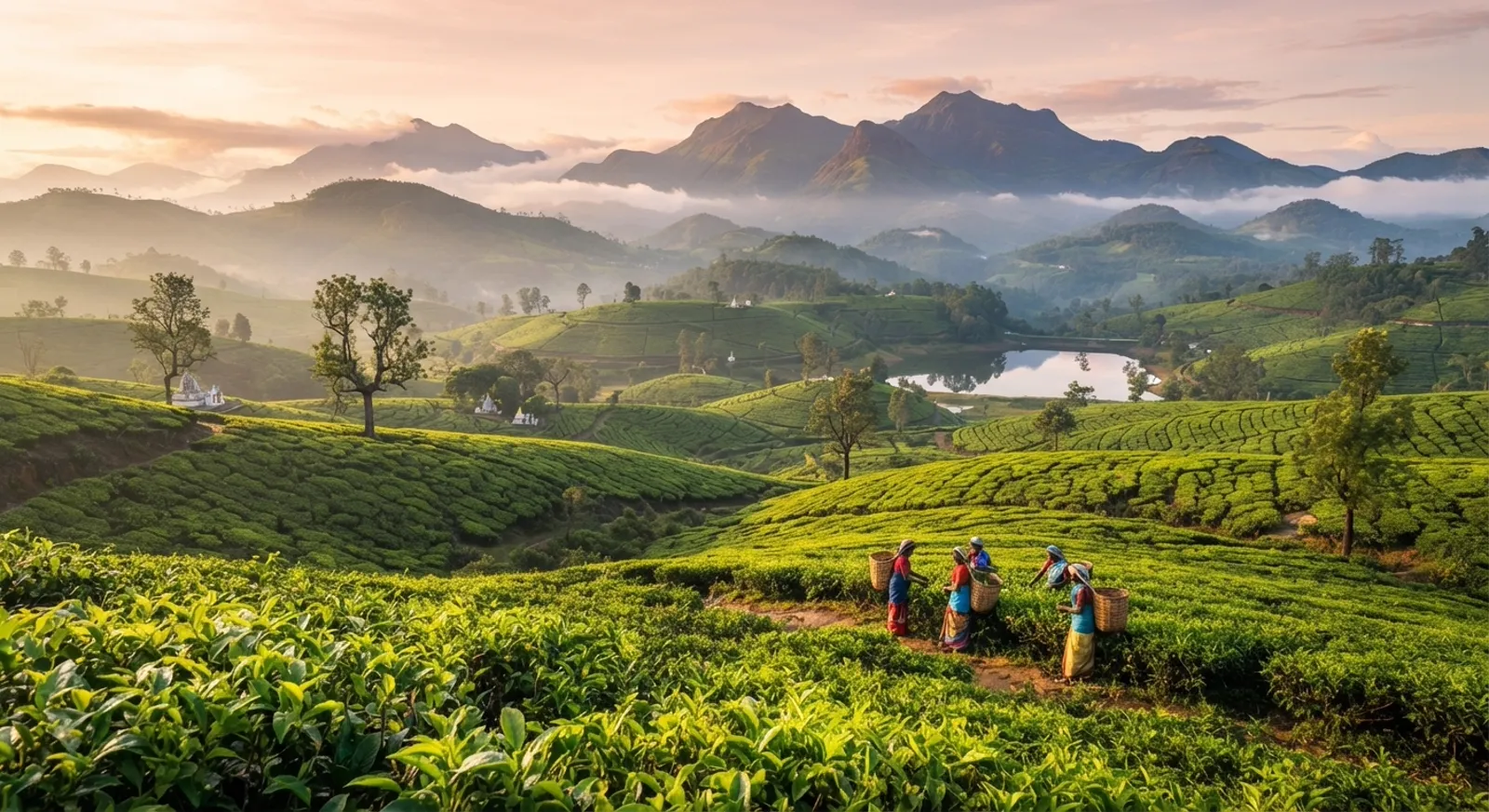
March is the last month of the December-March peak season before the weather turns less predictable in April, and it's a genuinely good one to close the window on — the south coast, hill country and cultural triangle are all still dry, hill-country tea estates are at their greenest after the season's early growth, and prices and crowds have eased further from February. Whale watching in Mirissa is still going, tailing off toward the season's April close. The trade-off: book before mid-April if you want this weather, since the Sinhala and Tamil New Year travel surge and the monsoon transition both start closing in right after.
March closes out Sri Lanka’s December-March peak season, and it’s worth treating as a real option rather than a fallback — the weather holds, the hill country is at its greenest, and both price and crowds have eased from the December-February run. What hasn’t changed: the east coast is still off the table, same regional split as the rest of peak season.
The month, in four points:
The south and west coasts, hill country and cultural triangle all stay in their dry-season pattern through March — the same window tracked in our best-time-to-visit guide, and one of the last reliable stretches before the April monsoon transition makes weather patterns less predictable island-wide. Hill country temperatures run a cool 15-22°C, genuinely comfortable for train rides and hiking rather than needing to dodge cloud cover. The east coast and Arugam Bay remain the exception, still inside their own northeast monsoon.
Region snapshot
| Region | March conditions | Verdict |
|---|---|---|
| South & west coasts | Dry, warm, quietest peak-season crowds | Go |
| Hill country | 15-22°C, greenest tea season | Go |
| Cultural triangle | Hot, dry, shortest queues of peak season | Go |
| East coast & Arugam Bay | Northeast monsoon, rough seas | Skip — wait for May-September |
Ella and Nuwara Eliya’s tea estates come into their most vivid green in March, following new growth built up through the driest months — the Kandy-Ella train ride in particular is worth timing for this window if hill-country scenery is a priority. Rainfall here stays among the lowest of the year, adding clear-sky visibility to the greenery. See our Kandy-Ella train guide for which side of the carriage to sit on.
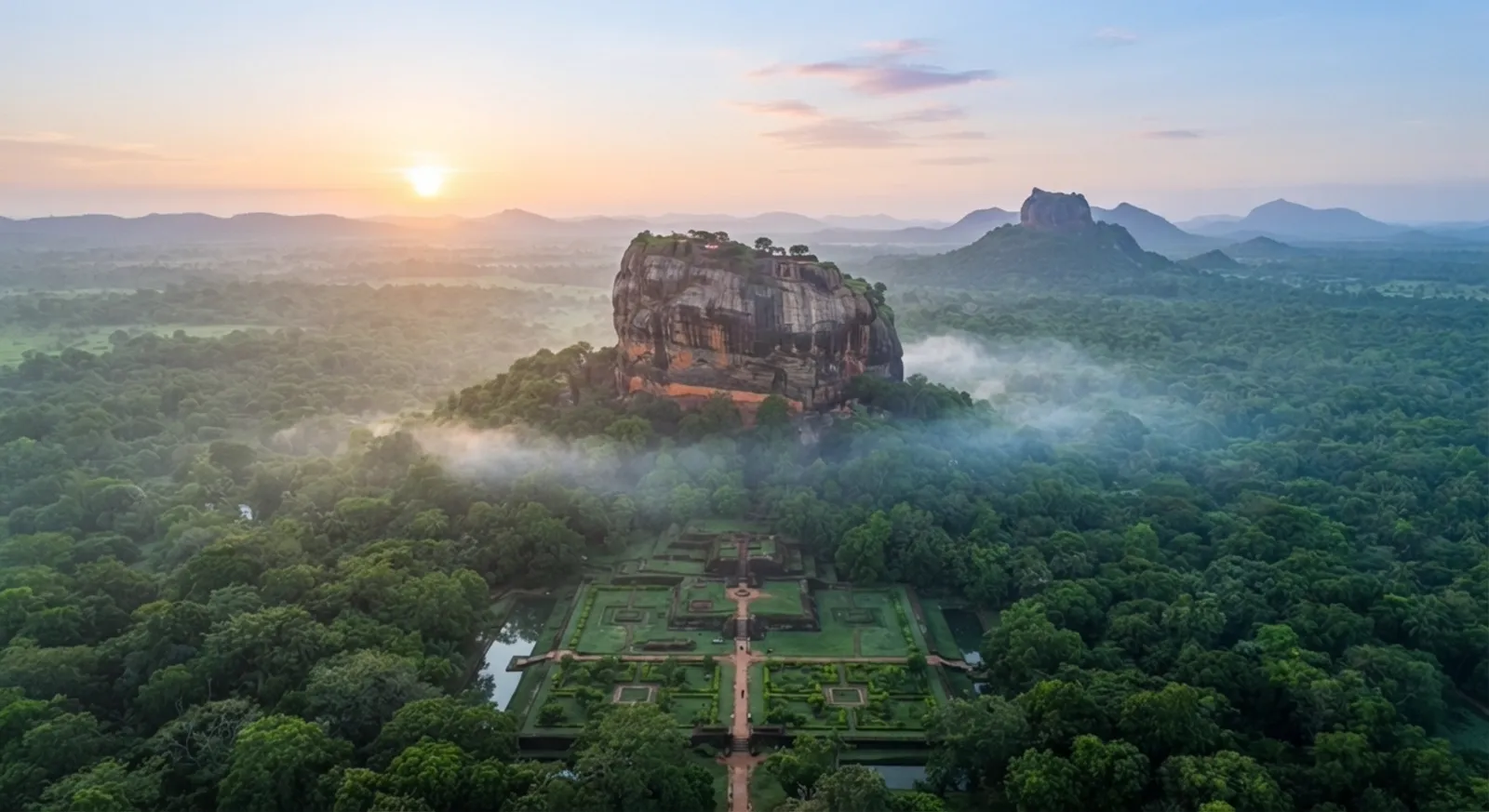
Mirissa’s whale season runs through April, and March still sits inside the strong window — sightings begin easing toward the season’s close, but it remains a genuinely good month rather than a weak tail end. See our whale watching guide for what to expect from a responsible operator before booking.
By March, the December-through-February crowd peak has passed. Accommodation on the south coast and demand for the Kandy-Ella train and safari jeeps ease compared to January and February, while the weather itself stays essentially unchanged from the rest of peak season — the closest this window gets to getting the conditions without the premium.
April is the monsoon transition month, the least predictable weather window of the year across the island, and it also carries the Sinhala and Tamil New Year (13-14 April) — a genuine national holiday, not a tourist event, when many small businesses, some restaurants and local transport slow down or close for several days regardless of region. Booking March instead of pushing a trip into April sidesteps both. Browse experiences across the island for March dates.
March gets treated as an afterthought compared to the December-February run, which is backwards — it has the same weather with none of the peak-season premium left in it. The people who know the island tend to book March deliberately, not as a fallback.