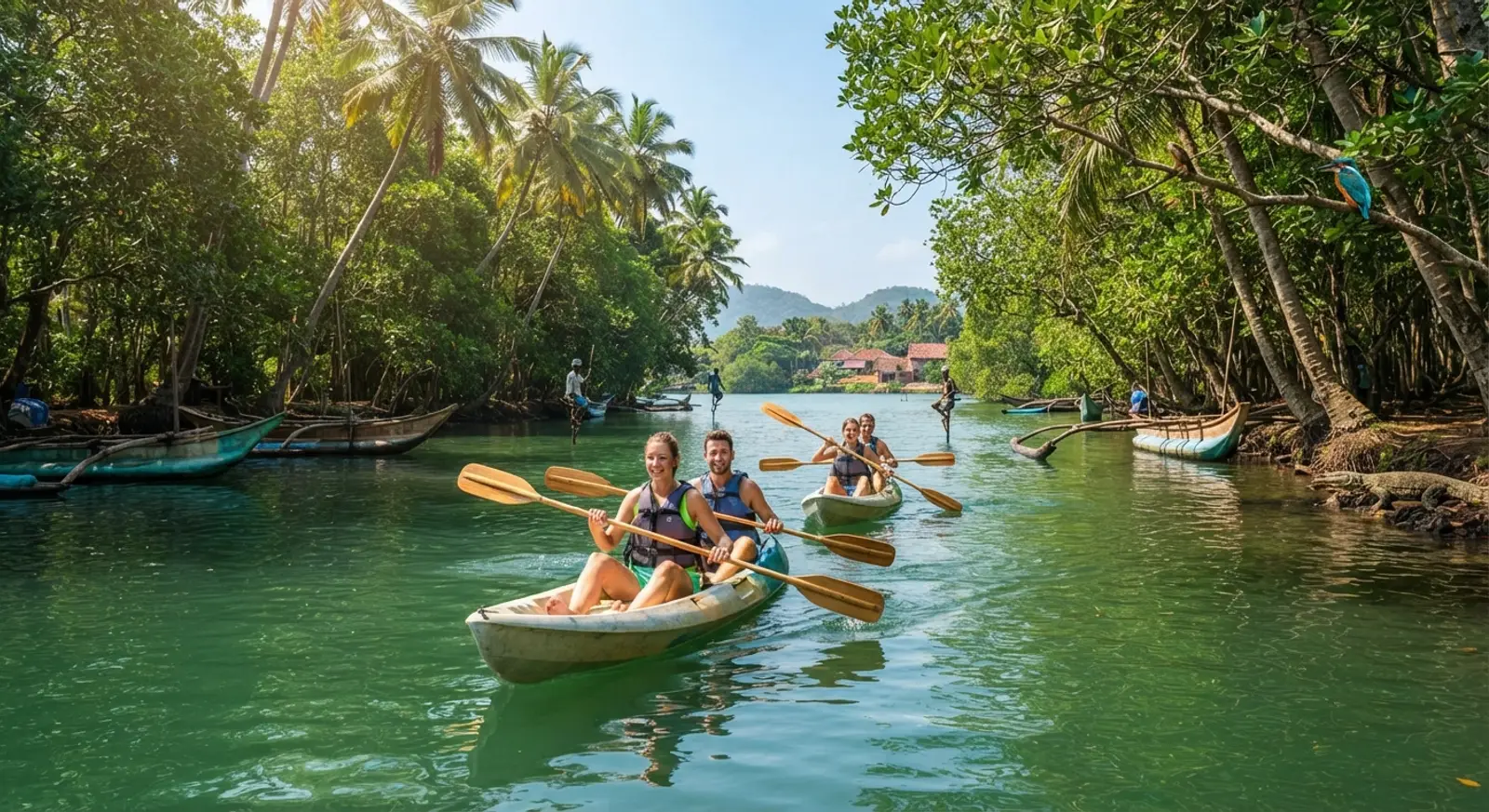
Cultural triangle, hill country (with a proper Nuwara Eliya stop), a safari, and enough south coast time to actually stop moving — 21 days, realistically paced.
Three weeks is enough to do the classic 2-week route without compressing anything, plus add a proper Nuwara Eliya stop instead of just passing through, and stretch the south coast into two genuinely different bases instead of one. The extra week is better spent adding depth to regions you're already visiting — a real hill-country stop, more coast — than bolting on a fourth or fifth new region like the far north or the east coast, which run on the opposite season's calendar anyway.
Three weeks removes the last real constraint from a Sri Lanka trip — every region on the classic route gets genuine time, including the hill-country stop most shorter itineraries compress or skip. This route keeps the same reliable core as a 2-week trip and spends the extra week on depth: a proper Nuwara Eliya stay, and a second south coast base instead of rushing between two towns in one stop.
Colombo/Negombo (arrival) → Sigiriya/Dambulla (3 nights) → Kandy (2 nights) → Nuwara Eliya (2 nights) → Ella (2 nights) → Yala safari (2 nights) → South coast: Ahangama/Mirissa (6 nights) → Galle (2 nights) → Colombo (departure)
The same three core regions and safari as the 2-week route, plus a real hill-country stop and a second, different coastal base — 21 days, 20 nights on the ground.
Three weeks in Sri Lanka — jump straight to any stretch:
Each stop below still reads as ordinary prose — this strip is just a way to skip straight to a section.
Day 1 — Arrive, Negombo or Colombo. Land, rest near the airport, and start the overland route toward the cultural triangle the next day rather than pushing through jet lag on a long drive.
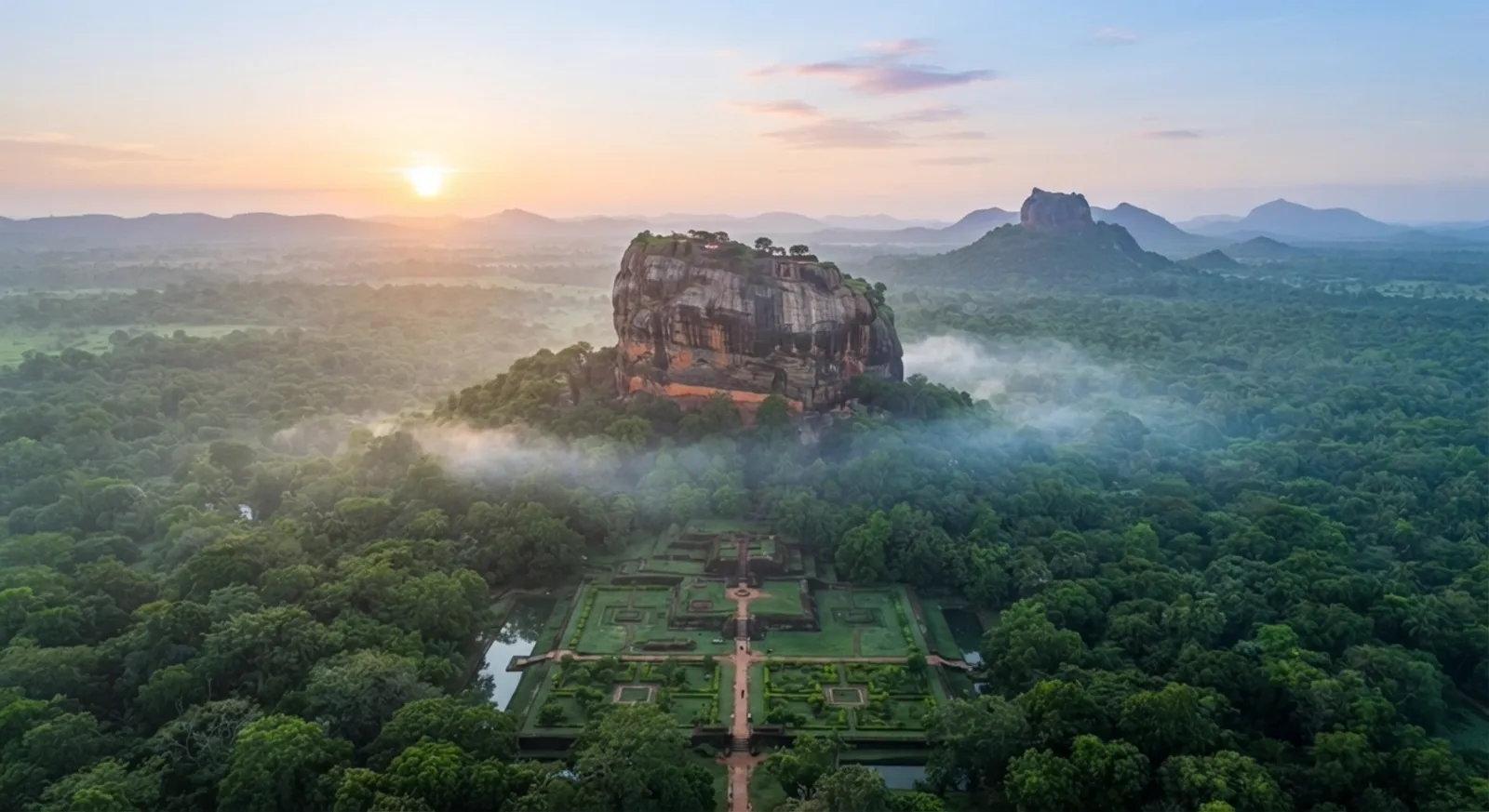
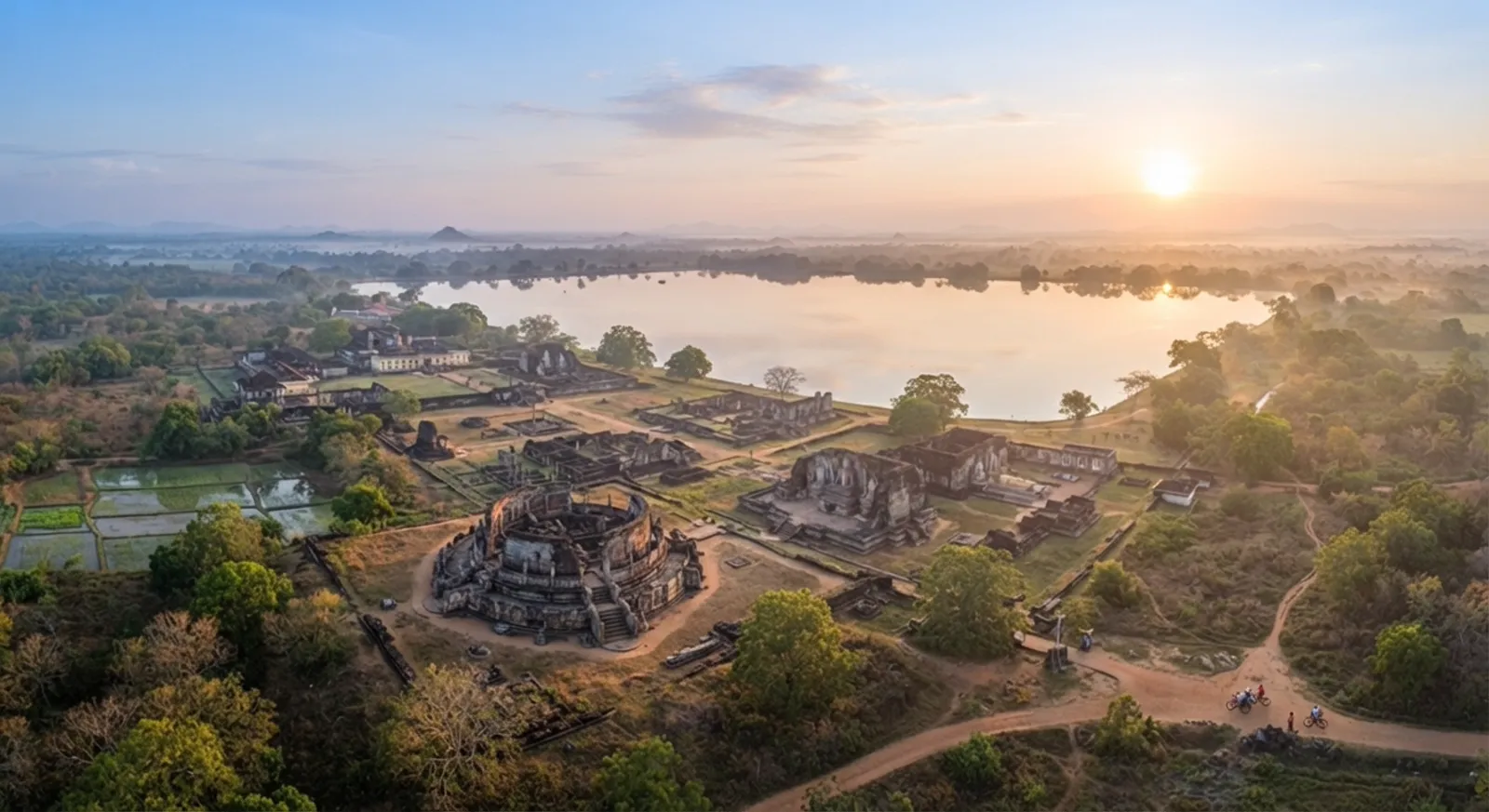
Days 2-4 — Sigiriya and the cultural triangle. Three nights allows the rock fortress climb, Dambulla's cave temples, and real time at Polonnaruwa or Anuradhapura for anyone whose trip is partly built around ancient history — both are full sites in their own right, not a rushed half-day add-on.
Days 5-6 — Kandy. The Temple of the Tooth, the lake walk, and a proper rest before heading up into the hills — two nights buys enough time to actually settle rather than check in and check out.
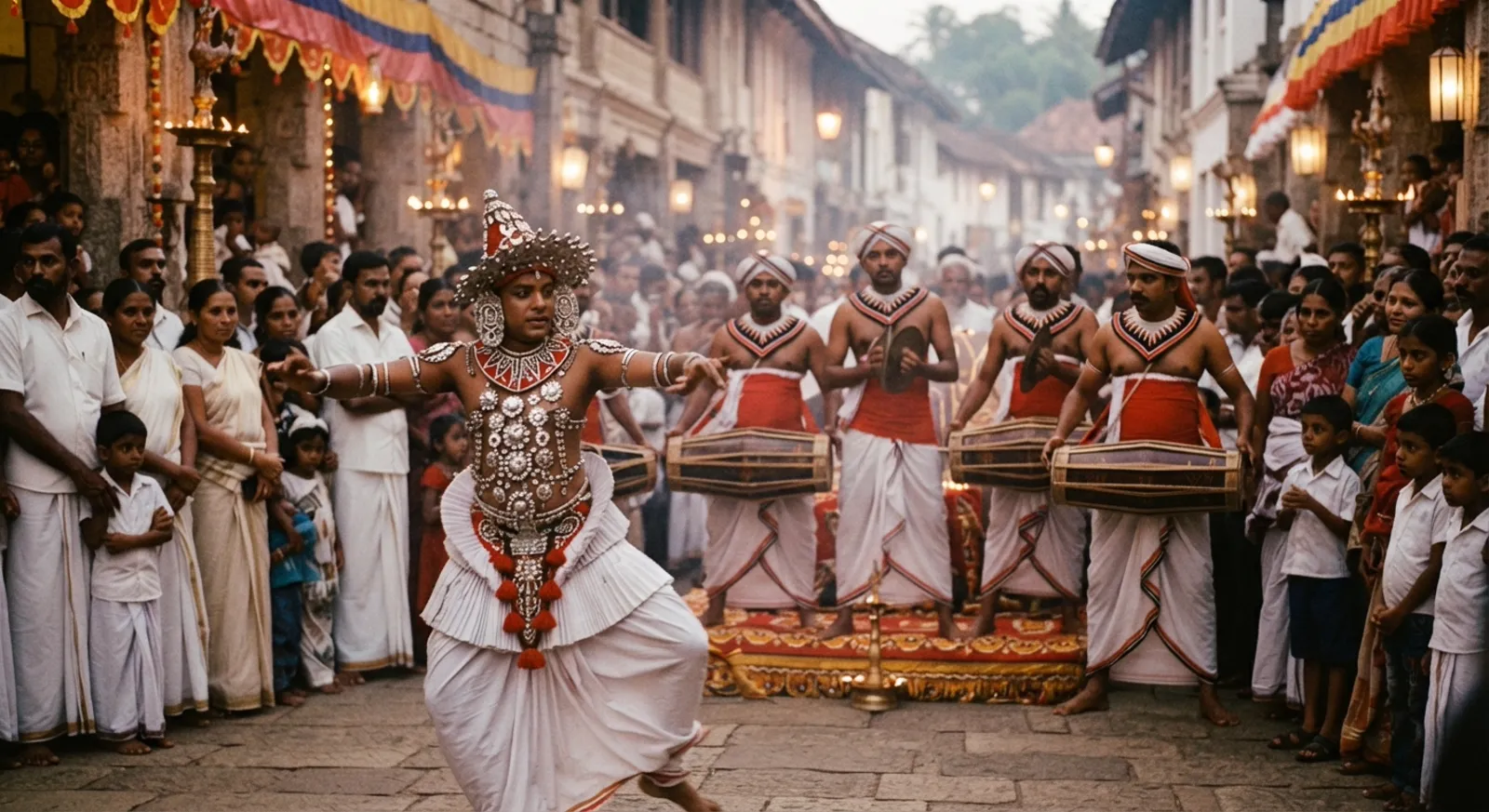
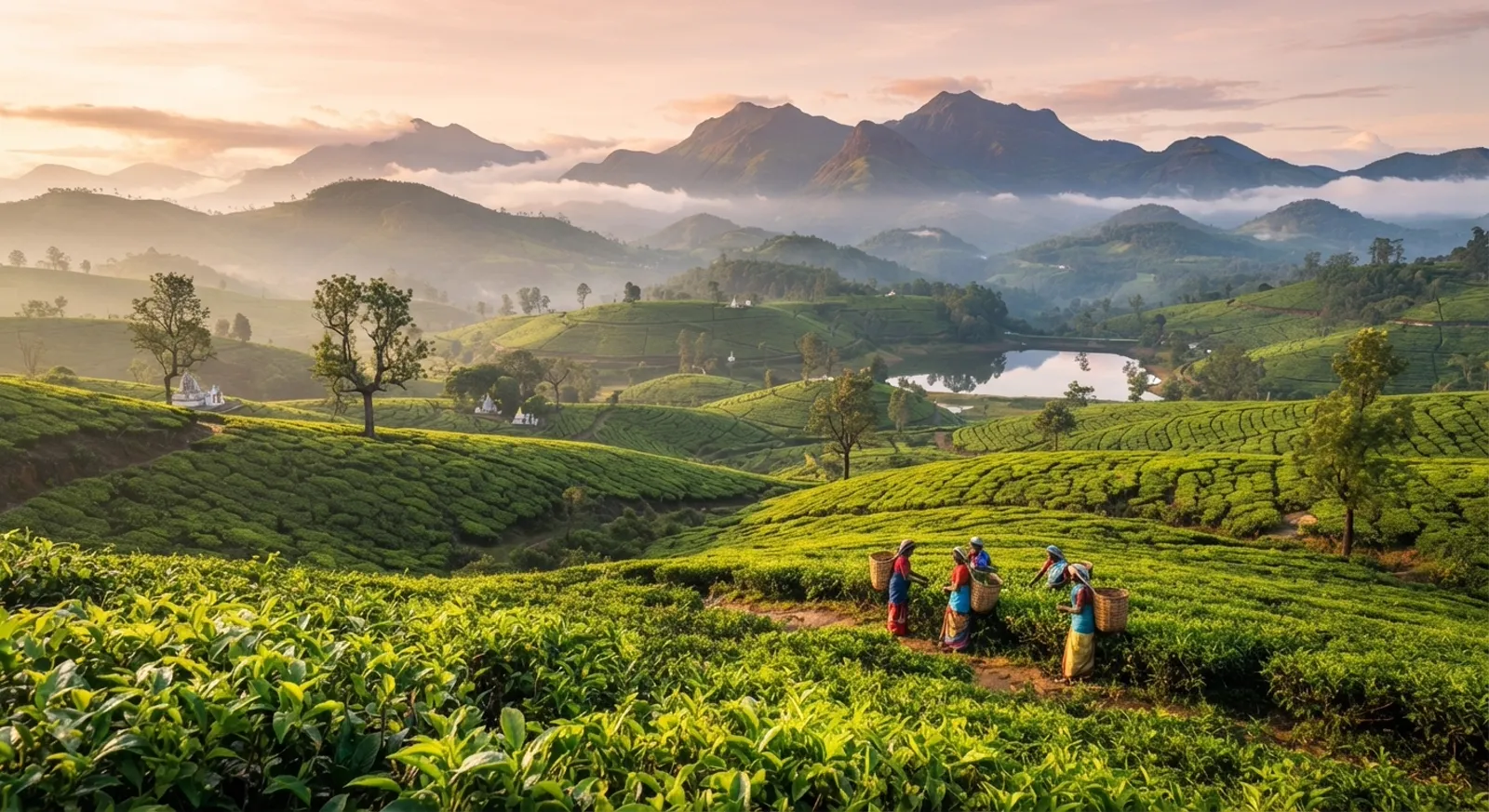
Days 7-8 — Nuwara Eliya. This is the stop a 2-week trip usually skips or squeezes into a single night — with three weeks, it earns two. Cooler air, tea estates you can actually walk through rather than glimpse from a train window, and a noticeably different pace than anywhere else on this route. It also sits close to Nanu Oya, which as of 2026 is where the Kandy-Ella train actually starts — the Kandy-to-Nanu Oya section is still closed after Cyclone Ditwah; see our Kandy-Ella train guide for the current status.
Days 9-10 — Ella. The scenic leg down from Nuwara Eliya, Nine Arches Bridge, and Little Adam's Peak for an easier sunrise hike. Ella Rock's harder climb is a realistic add here too, since the pace elsewhere on this route leaves genuine room for it.
Days 11-12 — Yala safari. Two nights at a safari lodge instead of one — three or four game drives across two full days meaningfully improves the odds of a real leopard sighting over a single overnight stop. If elephants matter more to you than the leopard specifically, Udawalawe is a fair swap with a higher elephant density and fewer vehicles per sighting.
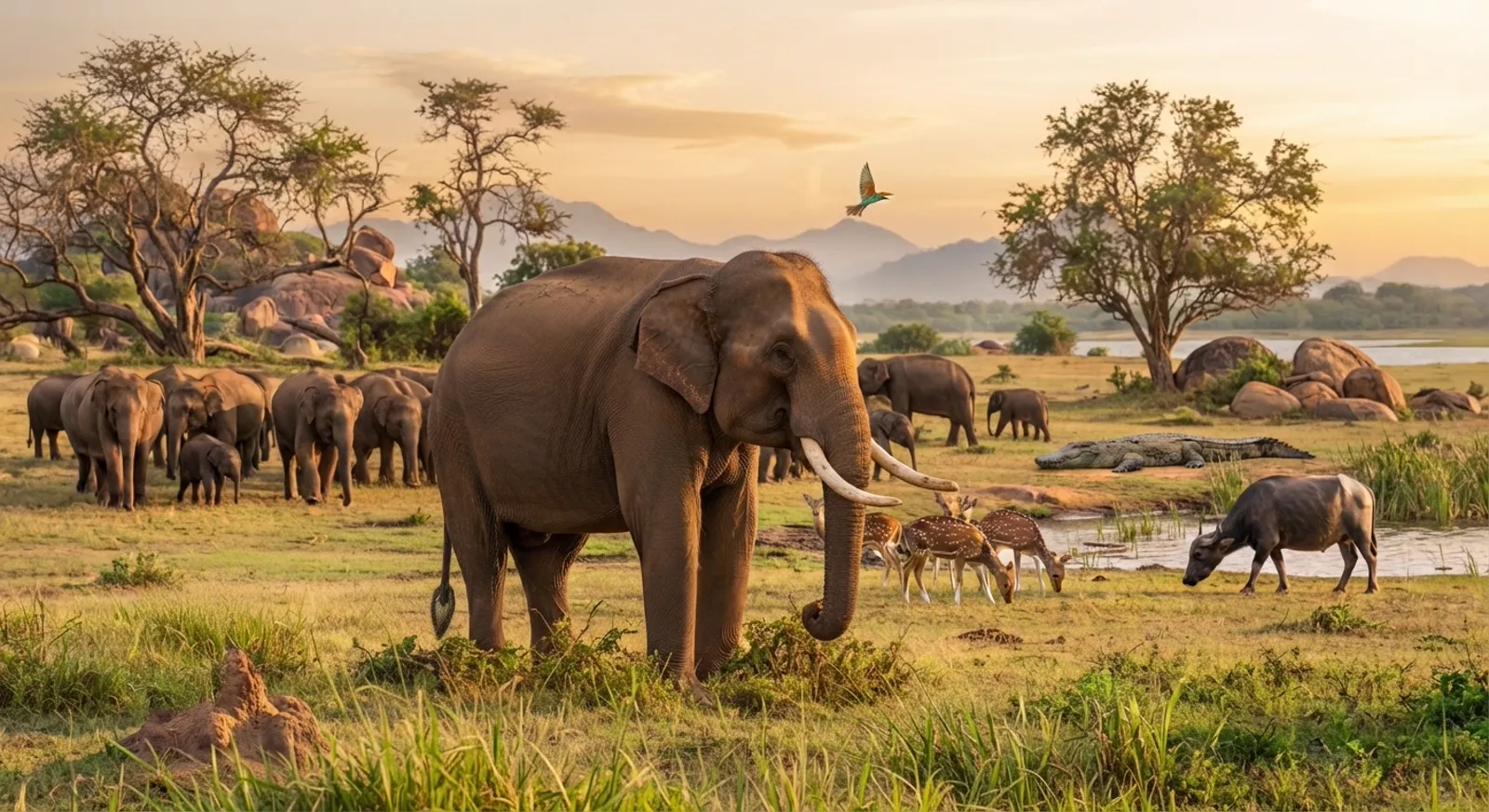
One stop we'd skip regardless of the route: Pinnawala's elephant "orphanage," a common add-on near the cultural triangle or Kandy. It's built around close contact with captive elephants — riding, bathing, hand-feeding — which sits uneasily with how the animals are kept the rest of the time. A wild sighting on the Yala or Udawalawe game drive above is the better version of the same experience.
Days 13-18 — South coast: Ahangama or Mirissa. Six nights in one base — long enough that the trip genuinely stops feeling like movement. Surf lessons, whale watching in season (December-April), and enough open days that at least half the week has no plan attached to it at all.
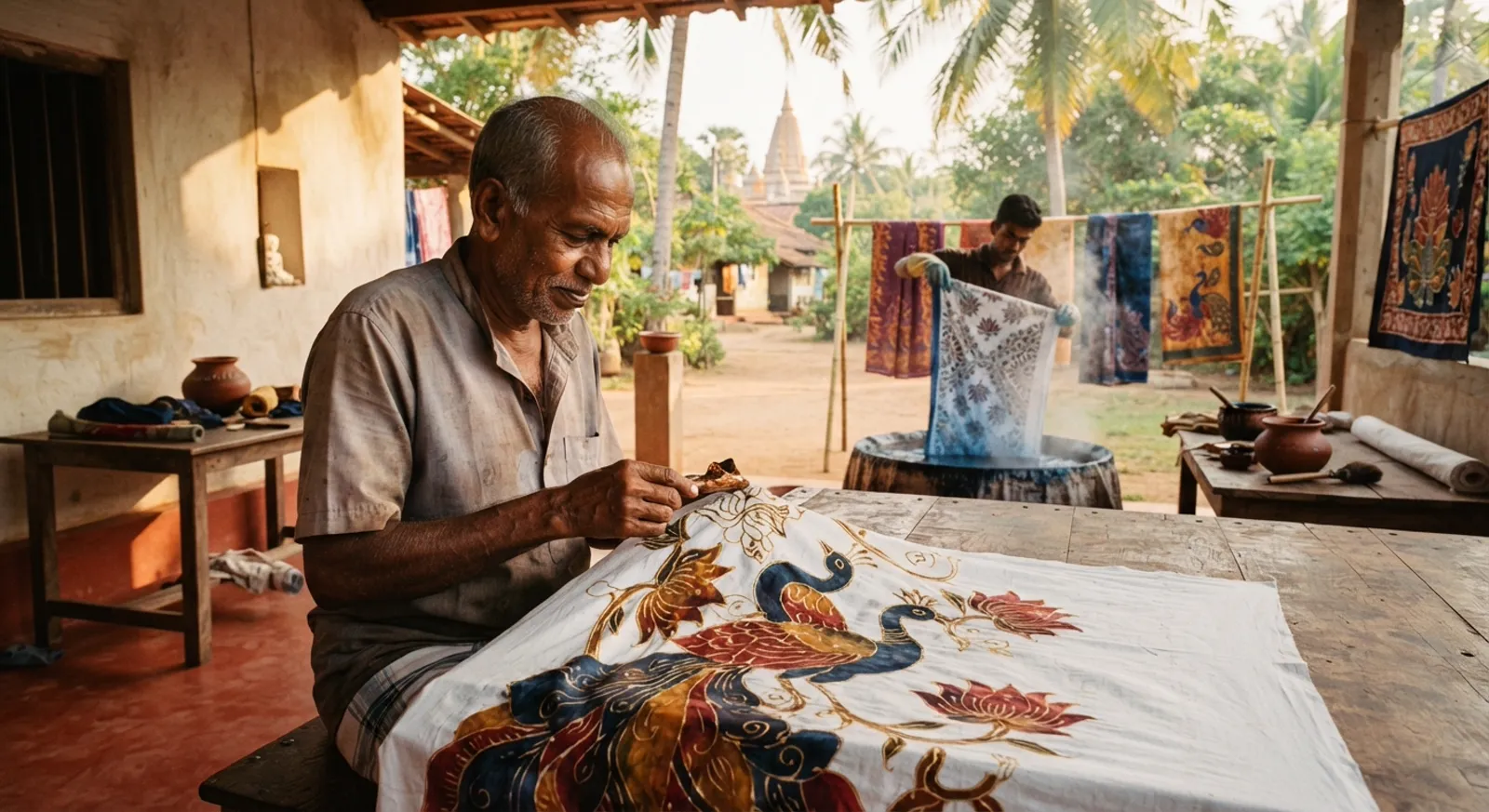
Days 19-20 — Galle. A genuinely different close to the trip rather than more of the same beach — the fort's old town, its restaurants and craft shops, and a slower, more walkable two days before flying out. Splitting the coast into two distinct bases like this is one of the clearest advantages of having three weeks instead of two.
Day 21 — Colombo, departure. The coast-to-airport drive is roughly 2-3 hours from the Galle area — time it against your flight and use the morning for one last walk through the fort if there's room.
Not a fourth or fifth new region — depth in the regions the 2-week route already visits. The two highest-value additions are a real Nuwara Eliya stay instead of skipping it, and splitting the south coast into two different bases (Ahangama/Mirissa, then Galle) instead of one longer stay in a single town. Both add genuine variety without adding the kind of travel-day tax that a brand-new region — Arugam Bay, the far north — would add on top of an already full route.
Either south coast block works as the natural place to slot a structured multi-day retreat instead of independent sightseeing days — with three weeks, there’s enough slack elsewhere in the route that giving one full week to a retreat program doesn’t require cutting anything else. See our 2-week itinerary if three weeks isn’t realistic for your dates — the same core route compresses cleanly, just with less room for Nuwara Eliya and the second coastal base. Browse yoga, surf or ayurveda retreats, or add day-level experiences around the sightseeing.
The trap at three weeks is different from the one at two — by now most people have the discipline not to add a random fourth region, but they still rush Nuwara Eliya into a one-night afterthought between Kandy and Ella instead of giving it the two nights it earns on its own. Tea country at altitude is a genuinely different Sri Lanka from the coast or the cultural triangle, not a scenic stop on the way to somewhere else — treat it that way with the extra days you have.