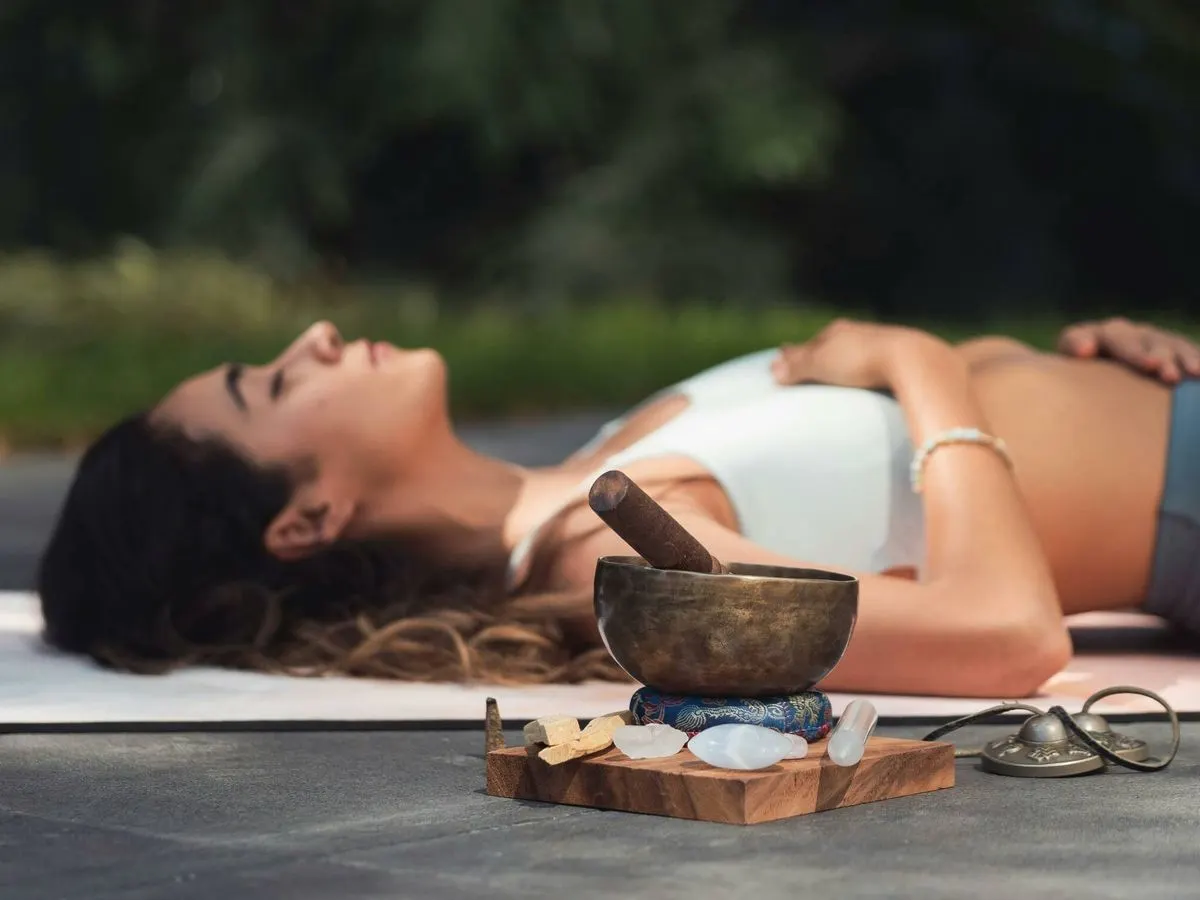
Conscious connected breathing, holotropic, pranayama — Sri Lanka's breathwork scene by technique, with safety notes, session prices and facilitator training.
Every listing below is real and bookable.
A one-off breathwork session, usually a couple of hours, layered onto a venue's regular schedule — the right pick if you're already on the island and want a taste of it without a bigger commitment.
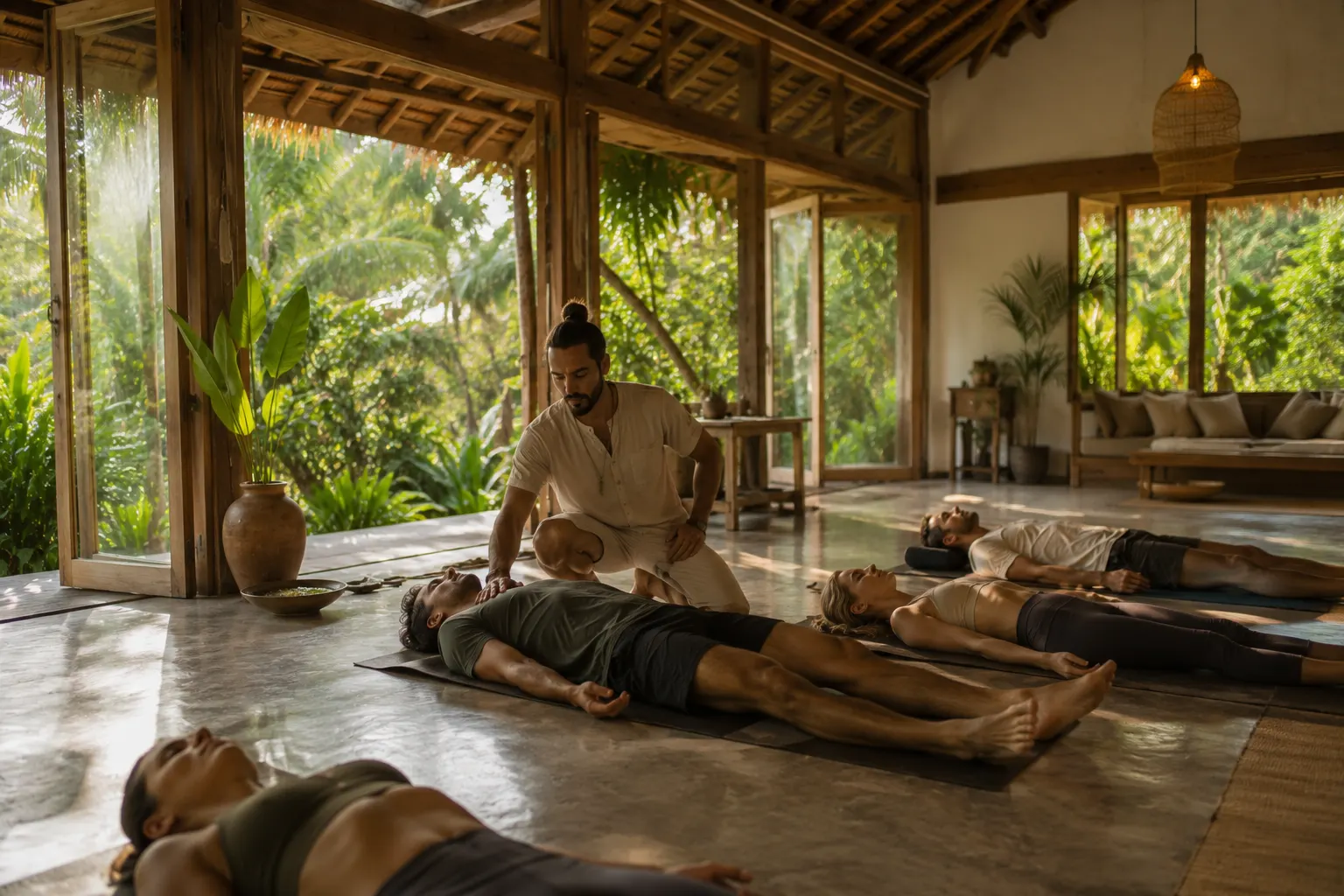
More sessions added as venues confirm dates. Run one? List it here.
Several days of breathwork, with accommodation and meals built in — the right pick if the trip itself is built around the practice, not squeezed into other plans.
More retreats added as venues confirm dates. Run one? List it here.
A certification to hold breathwork sessions yourself — a different product and price bracket, not a deeper version of a class or retreat.
See all 2 trainings →Computed from what's actually listed above — not a fixed estimate, so this updates as real venues confirm dates and prices.
| Single session | €15 – 25 |
| Multi-day retreat | €890 |
| Facilitator training | €950 – 2600 |
The practice only gets you halfway — here's where on the island breathwork is actually concentrated, so you can pick a place before you pick a listing.
Every venue below is one we've actually verified — not pulled from someone else's directory.
Every real breathwork option in Sri Lanka we’ve verified, organized here in one place — from a single session to a multi-day retreat to facilitator training, laid out so you can stop at whichever level actually matches your goals, not scattered across a dozen individual studio websites.
We’re not one of these facilitators or venues ourselves — lankaspirit is where every real breathwork session, retreat and facilitator training across the island, from every studio we’ve verified, gets organized into a single place: sorted by what you’re actually looking for instead of scattered across a dozen individual websites. That’s the reason to start here rather than on any single studio’s page — you’re seeing the full island, not one operator’s version of it.
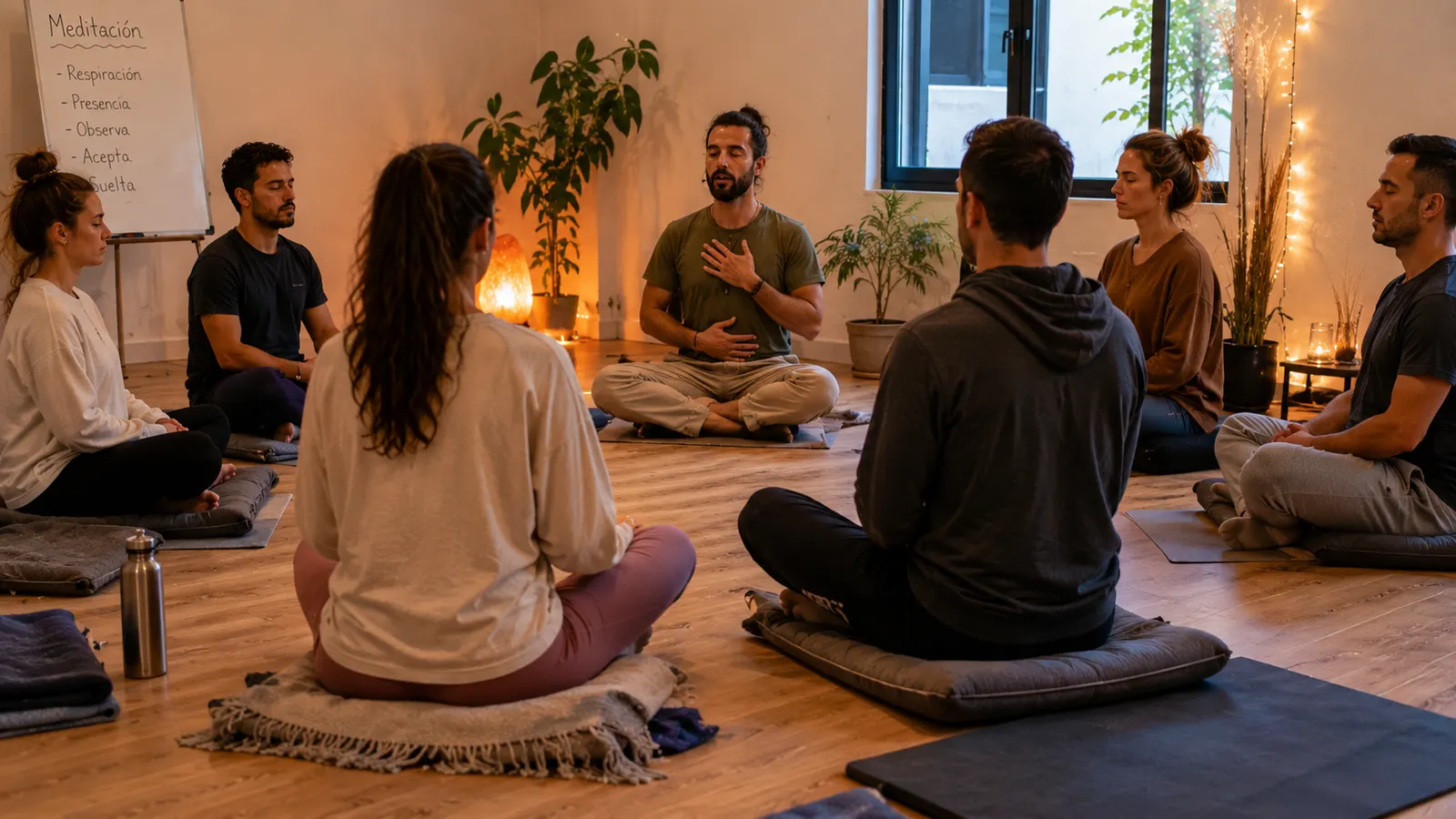
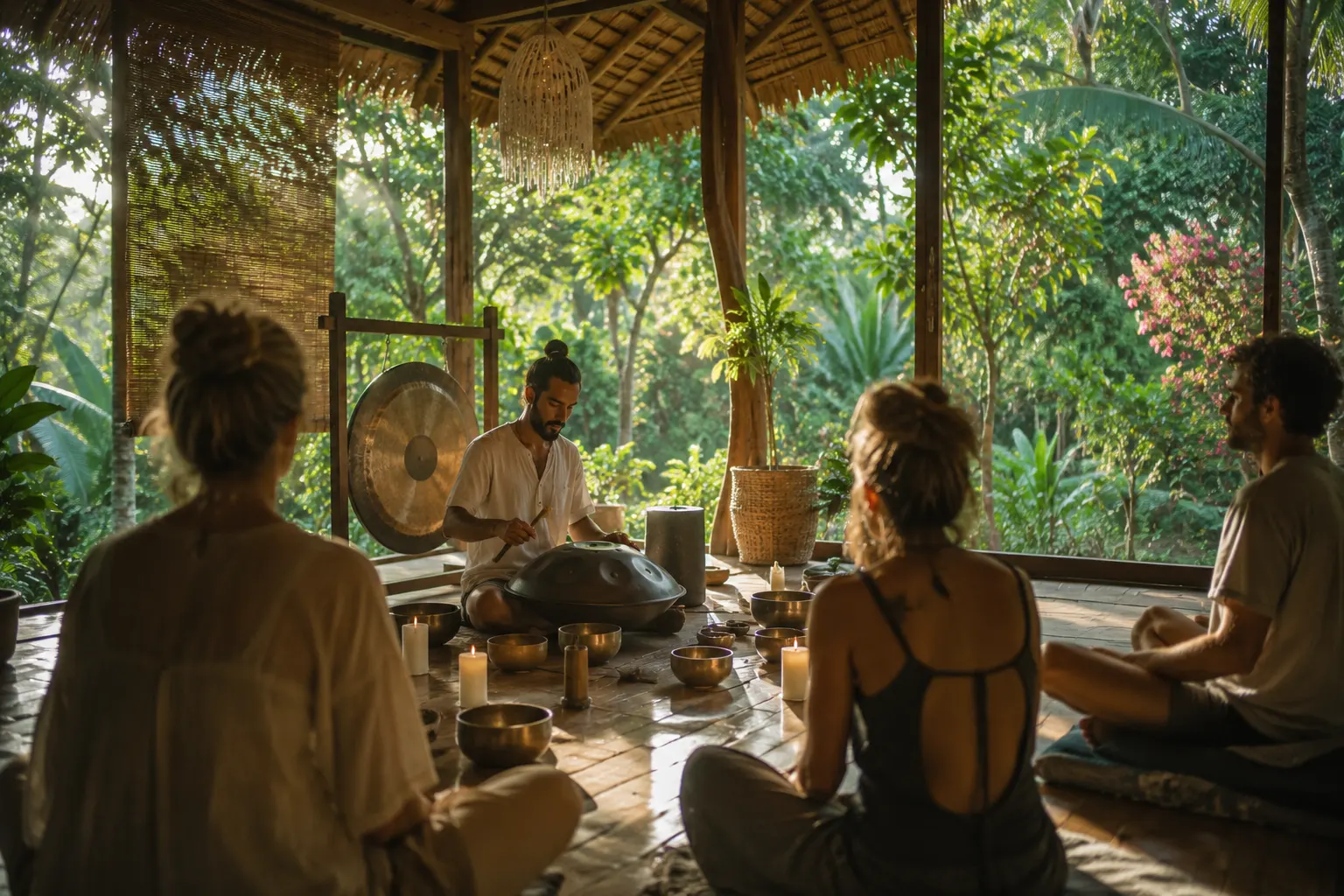
“Breathwork” covers several distinct techniques, not one practice: Conscious Connected Breathing (CCB) — continuous circular breathing at the core of most south-coast sessions; Holotropic Breathwork — a faster, more intense variant developed as a substitute for psychedelic-assisted therapy; and Pranayama — slower, structured yogic breath control often taught alongside asana. Sessions typically run 45–60+ minutes and are usually followed by rest and integration, often closing with a sound healing element.
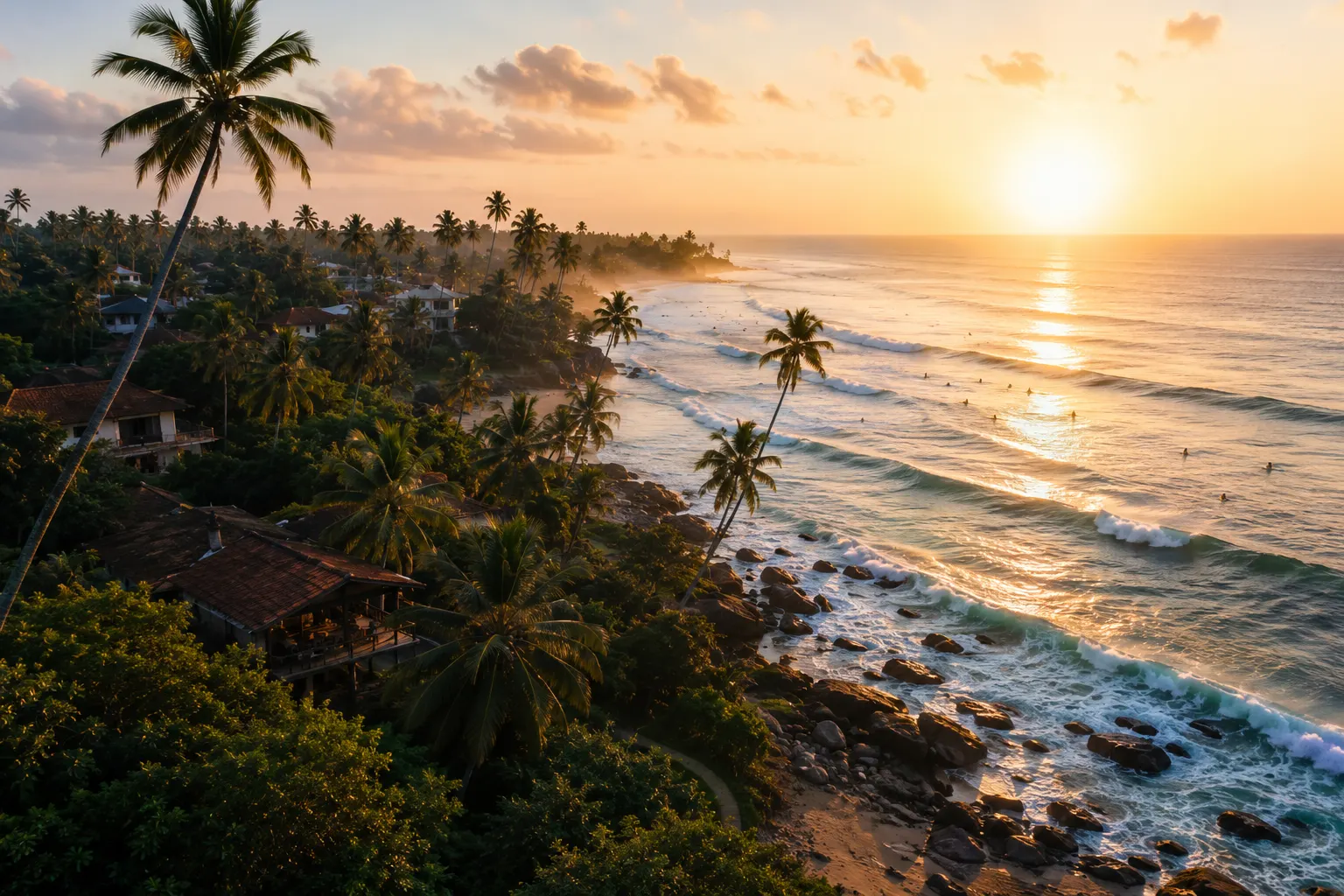
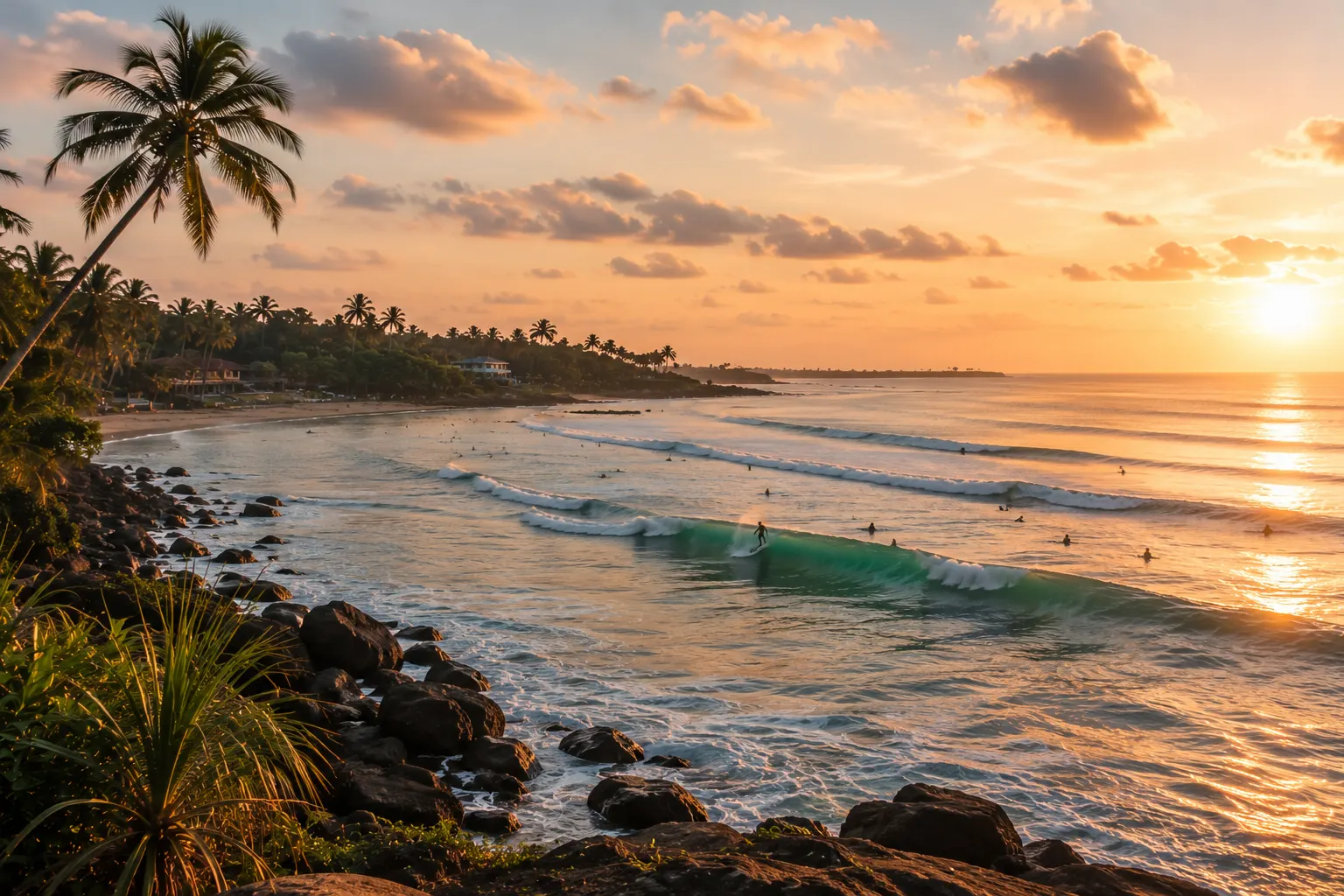
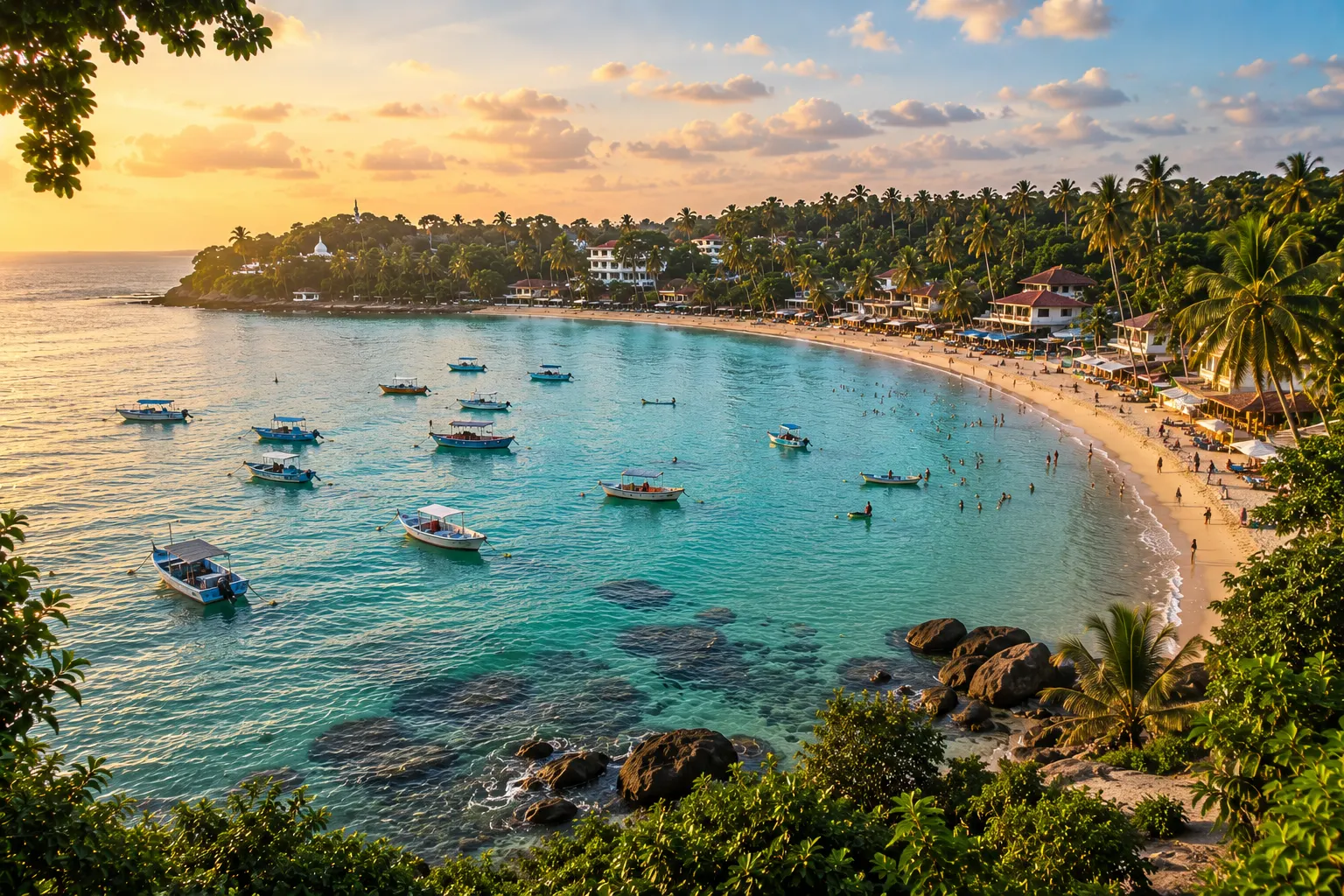
Sri Lanka’s south coast, concentrated around Ahangama, has become one of the more established breathwork destinations in Asia, with a real cluster of facilitators built around conscious connected breathing, holotropic-style sessions, and pranayama. A few points worth knowing before you pick where to base a breathwork trip:
A single session is the right call if you’re curious and want to try it once — no commitment beyond an afternoon, and most facilitators run genuinely beginner-friendly sessions. A retreat is the right call if you want several days of it, usually alongside yoga, in a structured setting with accommodation and meals handled. Facilitator training is a different kind of trip entirely — it’s a certification course assuming some personal practice already, not a “deeper” version of a session, and it’s priced and structured accordingly.
None of this is unique to Sri Lanka, but it’s worth checking regardless of where you book: ask what specific training and lineage the facilitator holds (CCB, Holotropic and other styles each have their own certifying bodies — a facilitator trained in one isn’t automatically qualified in another), whether they screen participants for contraindications before a session rather than after, and how many people are typically in a group session versus one-on-one. A responsible facilitator discloses their training by name rather than leaning on vague “certified practitioner” language, and will ask about cardiovascular conditions, epilepsy, pregnancy or a history of psychosis before you begin, not wait for you to volunteer it. If you’re the one considering facilitator training rather than a single session, every open breathwork facilitator training currently running in Sri Lanka is listed with real dates, hours and what’s included.
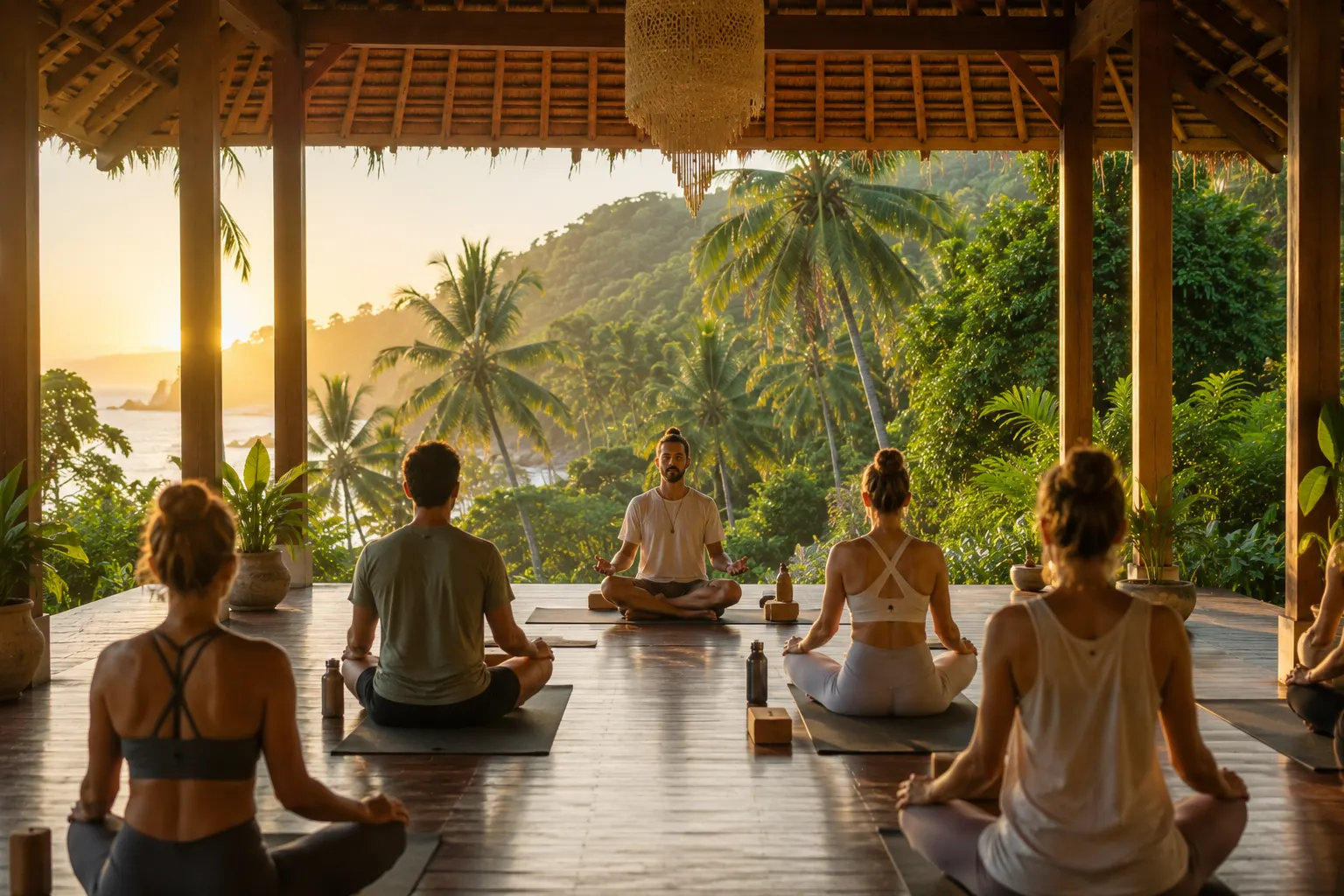
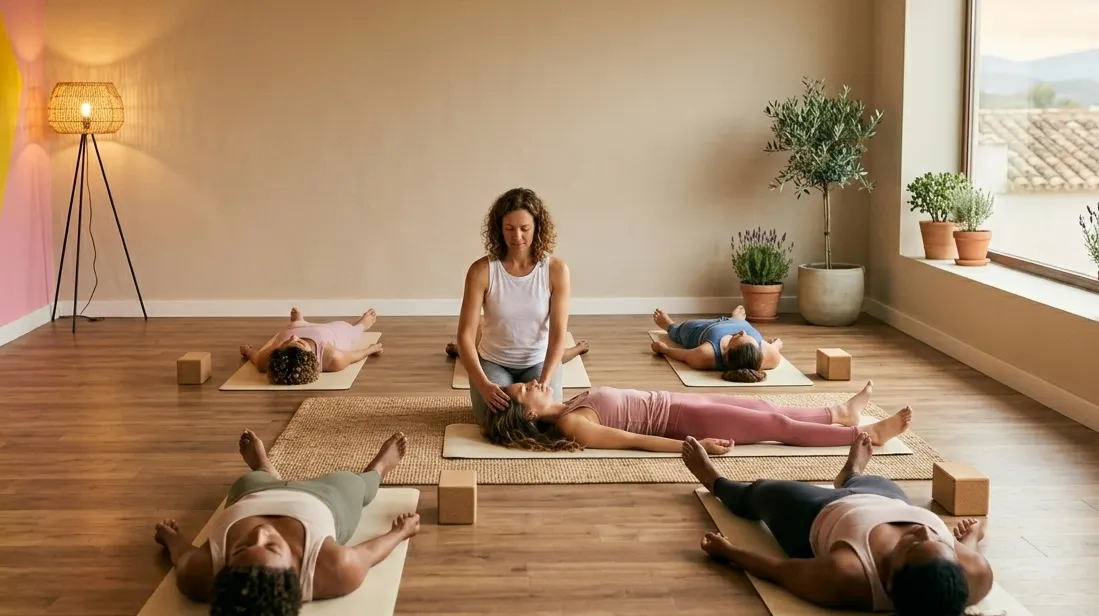
A single session usually opens with a short briefing — what to expect physically and emotionally, ground rules, and a chance to ask questions — followed by 45–60+ minutes of guided breathing, then a rest and integration period before the group debriefs together. On a multi-day retreat, breathwork is typically one element of a fuller daily schedule: morning or midday breathwork, yoga elsewhere in the day, and evenings often closing with a sound healing element rather than ending abruptly. Facilitator training days run longer and more structured, mixing theory, personal practice and supervised teaching hours toward the certification itself.
The physiological mechanism — altered CO2/oxygen levels shifting nervous system state — is real and documented. What’s less established is the specific claim that a session or short retreat reliably resolves trauma; the evidence there is much thinner than for yoga or meditation, and mostly personal testimony rather than peer-reviewed outcome data. The experience itself — emotional release, altered states — is consistently reported and real; just be wary of any facilitator who guarantees a specific therapeutic outcome.
Safety note: breathwork isn’t appropriate for everyone. If you have a cardiovascular condition, epilepsy, are pregnant, or have a history of psychosis, disclose this before joining — a responsible facilitator will screen for it rather than wait for you to bring it up.
Not sure if this is the right fit? Breathwork is intense in a different way than a yoga retreat — some people want that intensity, others don’t. Take our 5-question quiz and we’ll match you to what actually fits, not just the nearest listing — or browse breathwork retreats directly if you already know.
Take our 5-question quiz and we'll match you honestly, not just push you toward the nearest listing.
Take the quiz