Sri Lanka and Bali get compared constantly, but they're built for different trips. A category-by-category breakdown to help you actually decide.
Sri Lanka and Bali both offer beaches, temples and a strong wellness scene, but the trips are genuinely different, not interchangeable. Sri Lanka is cheaper, less crowded, has real wildlife safaris (leopards, elephants) that Bali doesn't, and calmer swimming beaches on much of its coast. Bali has a far larger, more mature wellness and digital-nomad infrastructure, better long-haul flight connectivity from Australia, and a more developed high-end villa and beach-club scene. Neither is objectively better — they suit different priorities.
Sri Lanka and Bali show up in the same “best beach destinations” lists constantly, and travelers deciding between a trip to Bali or a trip to Sri Lanka usually get one of two answers: a flat “they’re basically the same” or an equally flat “X is obviously better.” Neither is useful. They’re built for different trips, and the useful comparison is category by category, not a single verdict.
Sri Lanka runs cheaper than Bali across most comparable categories — accommodation, food, local transport, and entrance fees all tend to land lower for the same standard. A private driver for a full day in Sri Lanka runs roughly €50-70; a similar arrangement in Bali typically costs more. Bali’s enormous range of budget guesthouses and warungs narrows the gap if you’re traveling simply in both places, but at the mid-range and comfort tiers, Sri Lanka’s advantage holds. For real numbers on what a Sri Lanka trip actually costs by budget level, see our travel budget guide.
This is where the two islands diverge more than the “tropical beach destination” label suggests. Bali’s south coast — Uluwatu, Canggu, Padang Padang — has genuinely world-class surf breaks and dramatic clifftop scenery, but the same Indian Ocean swell that makes the surf good also creates strong currents and rip tides that have caught out experienced swimmers, not just tourists.
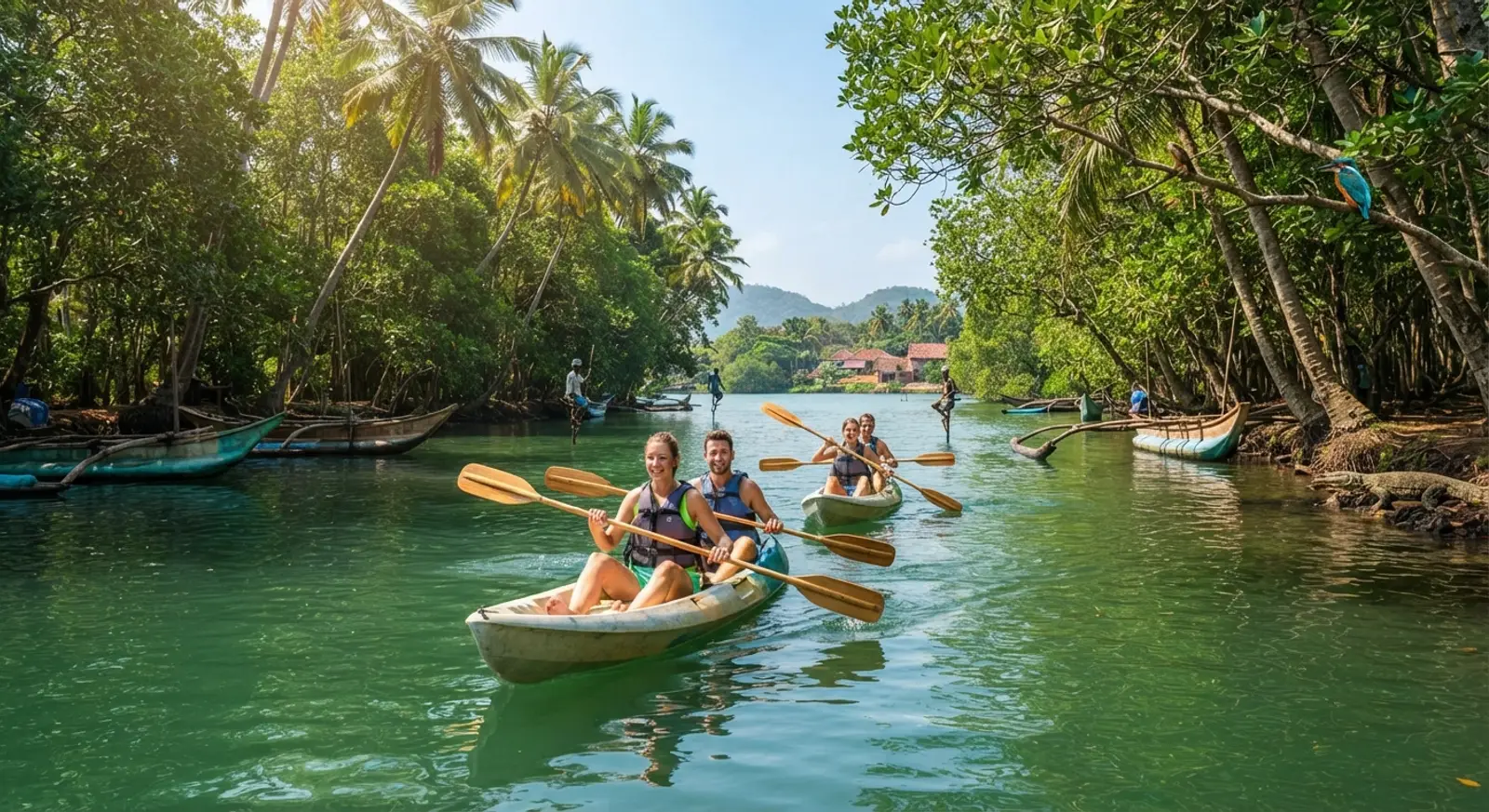
Sri Lanka’s coastline is longer and more varied by season: the south coast (Mirissa, Weligama, Ahangama) and the east coast (Arugam Bay, Trincomalee, Nilaveli) trade off which side is calm and which is rough depending on the monsoon, but on the whole, more of Sri Lanka’s beaches offer genuinely calm swimming water alongside separate, well-known surf breaks — you’re not choosing between “surf” and “swim” on the same stretch of sand as often as you are in Bali.
Bali’s most visited areas — Kuta, Seminyak, Canggu, central Ubud — are heavily developed, and travelers who visited a decade ago consistently describe the change as dramatic: more traffic, more construction, more competition for the same view. Sri Lanka’s tourist infrastructure is real but smaller in scale, and long stretches of coastline, especially on the east coast and south of Tangalle, remain genuinely undeveloped. Neither state is permanent — Sri Lanka’s south coast has grown noticeably in the last five years — but right now, Sri Lanka is closer to what Bali’s south coast looked like roughly fifteen years ago.
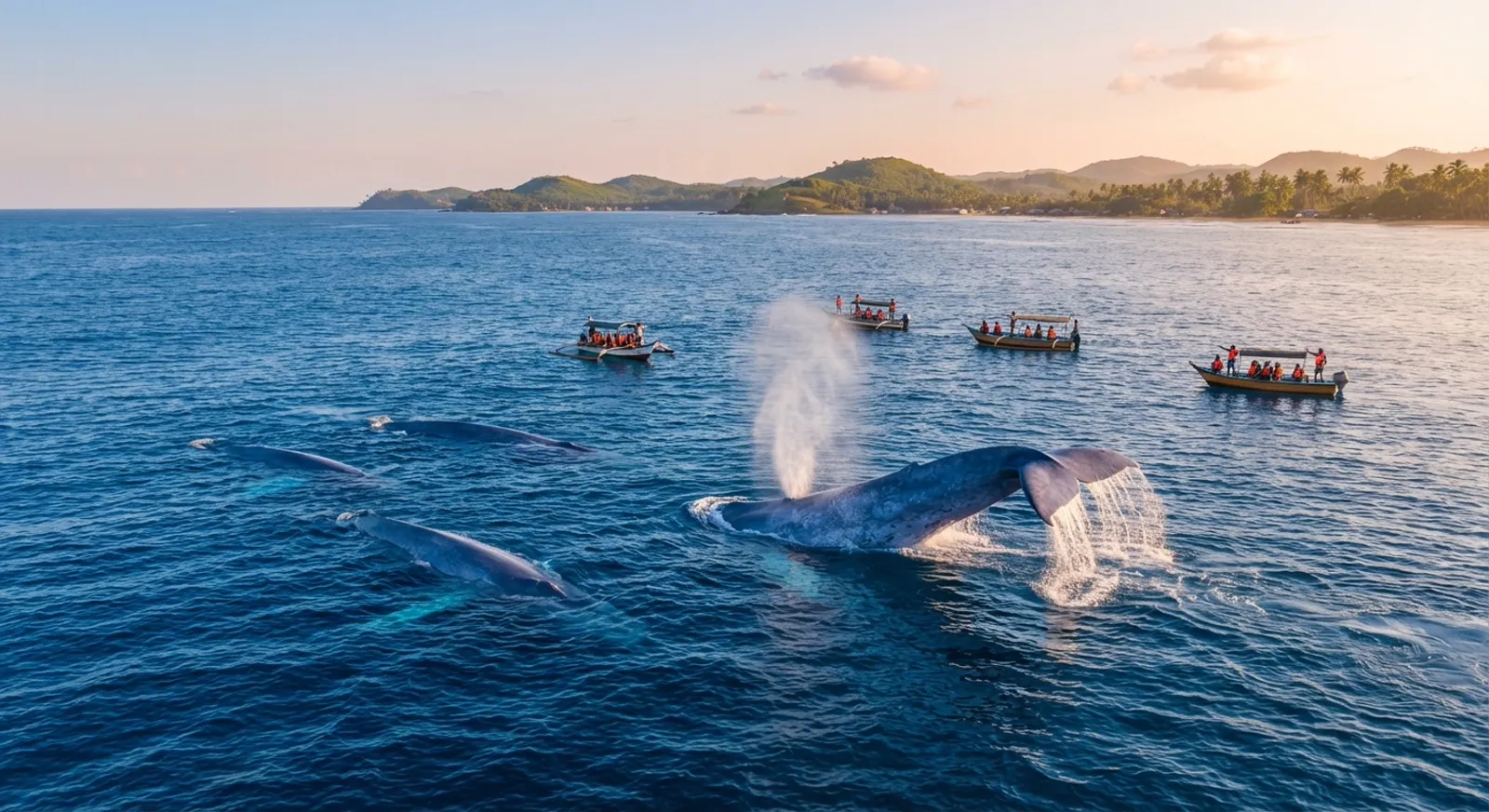
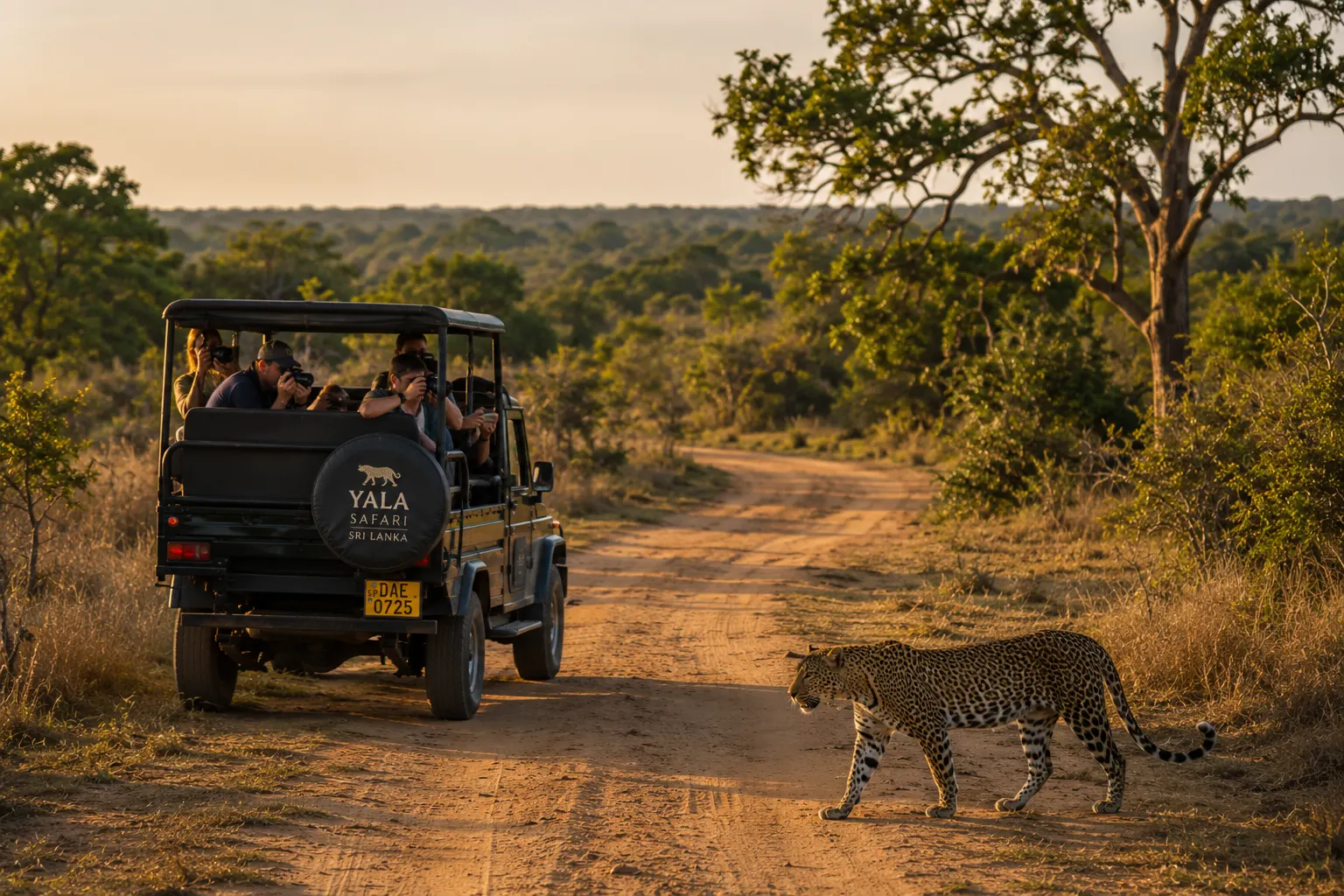
Sri Lanka has a wildlife offering Bali simply doesn’t match: wild leopards, elephants, sloth bears and over 200 bird species across national parks like Yala, Wilpattu and Udawalawe. Yala in particular has one of the highest leopard-sighting densities of any protected area on earth. Bali’s nature tourism leans toward volcanoes, rice terraces, waterfalls and diving/snorkeling around Nusa Penida and the Gili Islands — genuinely worthwhile, but a different category of experience than a jeep safari.
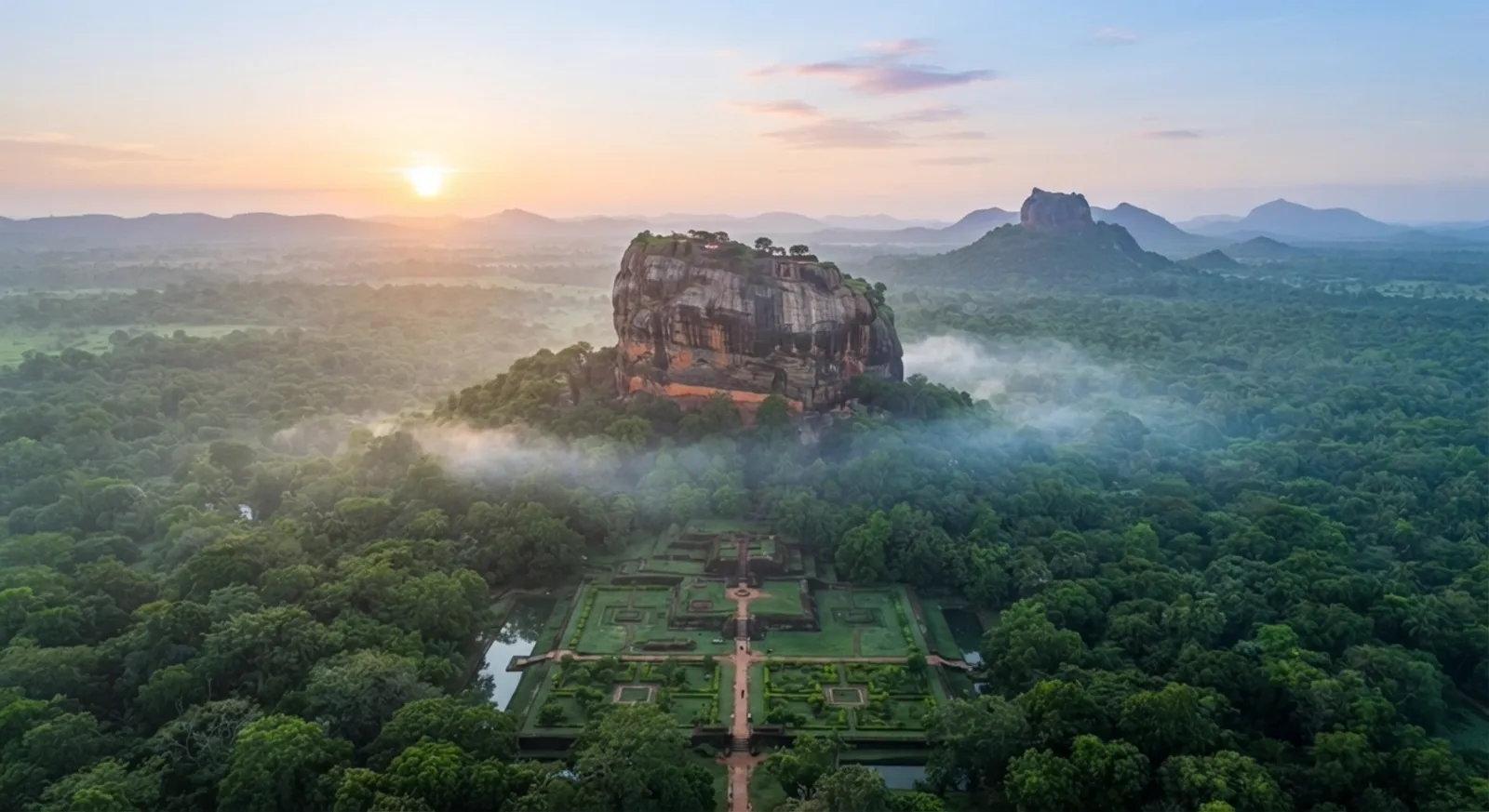
Both islands have deep, visible spiritual cultures, but they’re different religions with different visual languages. Bali is predominantly Hindu, with elaborate temple ceremonies, daily offerings (canang sari) placed on doorsteps and sidewalks, and a strong artistic tradition in dance, carving and painting. Sri Lanka is predominantly Buddhist with a significant Hindu, Muslim and Christian minority, and its cultural triangle — Sigiriya, Dambulla, Anuradhapura, Polonnaruwa — offers a depth of ancient, UNESCO-listed archaeological sites that Bali doesn’t have an equivalent to at the same scale.
Both cuisines are excellent and genuinely different. Balinese and wider Indonesian food centers on nasi goreng, satay, gado-gado and slow-cooked dishes like babi guling, generally milder than Sri Lankan food unless you seek out sambal specifically. Sri Lankan food is built around rice and curry, built on coconut, chili and a distinct spice profile — hoppers, kottu roti and string hoppers are dishes most first-time visitors haven’t encountered before arriving. Neither cuisine is “better” in any meaningful sense; they’re worth experiencing on their own terms.
Bali, and Ubud specifically, has a far larger and more mature wellness industry — decades of retreat infrastructure, a dense concentration of yoga studios, sound healing spaces, raw food cafes and a large resident community of teachers and practitioners. If you want maximum choice and an established scene with everything from drop-in classes to month-long teacher trainings, Bali’s ecosystem is bigger.
Sri Lanka’s wellness scene is smaller but growing quickly, concentrated on the south coast around Ahangama, Weligama and Hiriketiya, and often combined directly with surf — a genuine surf-and-yoga culture rather than two separate scenes sharing an island. It’s generally less commercialized and less saturated than Ubud’s, which some travelers prefer and others read as simply less choice. See our yoga in Sri Lanka guide for what the scene actually looks like region by region, or every open yoga teacher training in Sri Lanka if certification is the reason you’re comparing the two.
Most nationalities need an Electronic Travel Authorization (ETA) for Sri Lanka, applied online before departure — a straightforward process covered in our visa and ETA guide. Indonesia offers visa-free entry for many nationalities for short stays, or a paid visa-on-arrival for longer ones. Flight connectivity favors Bali for travelers from Australia, with frequent direct routes; both islands require a layover for most European and North American travelers, though Sri Lanka’s Colombo connections via the Gulf carriers are generally competitive with Bali’s via Singapore or Kuala Lumpur.
Sri Lanka’s dual-monsoon system means the “best time” depends entirely on which coast you’re visiting — see our full best time to visit Sri Lanka guide for the month-by-month breakdown. Bali’s dry season runs roughly April to October, with a wetter but still very visitable rest of the year and less dramatic regional variation than Sri Lanka’s split coasts.
Choose Sri Lanka if a wildlife safari matters to you, you want calmer swimming beaches alongside good surf, you’re working with a tighter budget, or you’d rather visit somewhere with less tourist infrastructure and more room to feel like you found it yourself. Choose Bali if you want the biggest possible choice of wellness and yoga options, a more established digital-nomad and coworking scene, easier direct flights from Australia, or a Hindu-Balinese cultural experience specifically. Both are genuinely excellent trips — the mistake is assuming they’re interchangeable and picking based on price or Instagram alone. Weighing other destinations too? See how Sri Lanka stacks up against Thailand and the Maldives.
Most 'Sri Lanka vs Bali' content we've read frames this as a winner-takes-all contest, usually tilted toward whichever destination the site is trying to sell. We think the more useful question isn't which island is better, it's which trip you're actually planning — because the two islands are strong at different things, and the overlap is smaller than the headline comparison suggests.